The title of this book describes the two extremes of ceramic invention from aesthetically beautiful and decorative works of art that graced the tables of the aristocracy to the functional silica brick that lined the smelting furnaces of industrialised nations in the 19th century designed to produce iron, copper and glass.
This book focuses on the use of food gases in the food industry, their different applications and their role in food processing, packaging and transportation.
This book will be a guiding path to understand the photocatalytic process and mechanism for the deterioration of heavy metals, persistent organic pollutants and pathogens from wastewater.
This book provides insights into the state of the art of digital cultural heritage using computer graphics, image processing, computer vision, visualization and reconstruction, virtual and augmented reality and serious games.
This book highlights the benefits of Non-Destructive Testing (NDT) methods and their applications on several cultural heritage sites including the Holy Selphuchre Monitoring System in Jerusalem.
This book covers subjects that have major impacts on society, such as the mechanism of maternal-fetal transfer of vitamin A, and the effects of alcohol on retinoic acid signaling and mammalian embryonic development.
This book approaches the field of built heritage and its practices by employing the concept of heterotopia, established by the French philosopher Michel Foucault.
The book provides current knowledge and research on the presence and effects of anticancer drug residues in the aqueous environment and covers all relevant aspects of the presence of these residues in wastewaters and natural aquatic systems, where numerous analogies between their pharmacokinetics and pharmacodynamics in humans and their effects in the environment can be drawn.
This book provides state-of-the-art information on photogrammetry for cultural heritage, exploring the problems and presenting solutions that are applicable under real-world conditions and in various disciplines.
This book focuses on polyphenols in the Mediterranean diet, providing a detailed overview of their chemical structure, extraction and analysis methods, and their role in the diet and in flavor.
This book offers new ways of thinking about dance-related artworks that have taken place in galleries, museums and biennales over the past two decades as part of the choreographic turn.
This book explores the importance of soil health in croplands, rangelands, pasturelands, and gardens, and presents new methods and technologies for assessing soil dynamics and health in these different land types.
This book provides an overview of mitigation strategies and positive health effects of Maillard Reaction products in the contexts of food processing and storage.
This book takes the concept of "e;dark tourism"e;-journeys to sites of death, suffering, and calamity-in an innovative yet essential direction by applying it to the virtual realms of literature, film and television, the Internet, and gaming.
This book gathers 22 papers which were presented at the 6th International Symposium of the ICA Commission on the History of Cartography in Dubrovnik, Croatia on 13-15 October 2016.
Insights from Visitor Studies: A purpose-oriented model for museums provides a systematic overview of the value of visitor studies and, for the first time in English, a comprehensive overview of the development of visitor studies in mainland China.
This comprehensive volume covers all aspects of nutrition in different scenarios of maternal diabetes, including the Type 1 or Type 2 diabetic mother, gestational diabetes, and postpartum diabetes.
This volume provides case studies conducted in Malaysia based on environmental management and the sustainable development of human and ecological systems.
This book addresses the shelf life of foods, a key factor in determining how food is distributed and consequently where and when different food products are available for consumption.
In this textbook we see heritage in action in indigenous and vernacular communities, in urban development and regeneration schemes, in expressions of community, in acts of nostalgia and memorialization and counteracts of forgetting, in museums and other spaces of representation, in tourism, in the offices of those making public policy, and in the politics of identity and claims toward cultural property.
In this book, both basic and advanced concepts are discussed for considering mixtures from initial exposure characterization through evaluation of risk associated with combined exposures.
This third edition reviews the epidemiology, policies, programs and outcome indicators that are used to determine improvements in nutrition and health that lead to development.
This book gathers the latest advances, innovations, and applications in urban and regional planning processes and science, as presented by international researchers at the 11th International Conference on Innovation in Urban and Regional Planning (INPUT), held in Catania, Italy, on September 8-10, 2021.
This book proposes a Metamodel for heritage-based urban development, based on urban morphology, governance theory, and the metamodeling concept of John P.
This book presents studies on the management of the Brazilian world heritage and its international counterparts, relating its preservationist practices to the risks and alerts that run its maintenance in the face of so many challenges in the contemporary world.
Providing an overview of the marketing principles and tools that pertain to the area of heritage conservation services, this book combines research and practice to offer an alternative to the classical transactional marketing approach.
This book presents advanced knowledge and techniques to improve food quality, such as organic farming, fertilization using waste, reducing arsenic in food, soil restoration, forage production in arid regions and weed control.
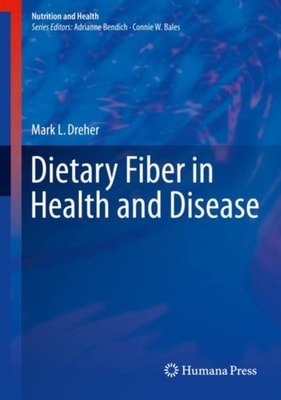
This newest addition to the Nutrition and Health series is a comprehensive, yet portable, guide to the use of dietary fiber for the management of health and disease.
Armorial porcelains comprised the output of most European ceramics factories in the 18th and 19th Centuries in response to the large quantity of armorial porcelain services that were being imported from China bearing the coats of arms and crests of aristocratic families.
This book is the first scientific publication on diseases caused by agents circulating in natural environments independently from humans, covering the whole territory of the Russian Federation.