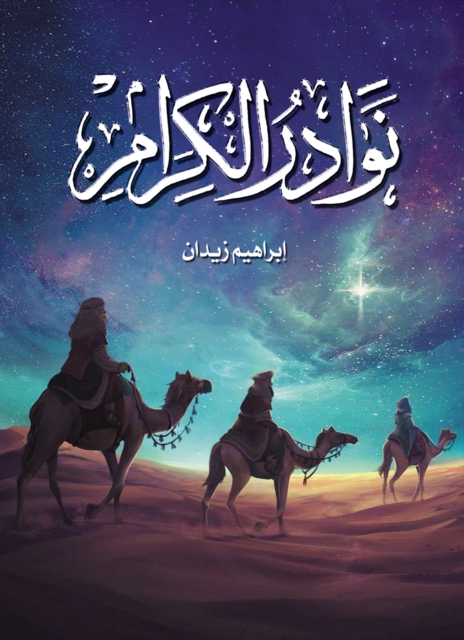
This is a funny book with many different types, a wide variety of arts, and it contains a lot of poetry, news, anecdotes, and antiquities, many of which delight the hearts and are appreciated by the ear.
It is no exaggeration to say that the book "Al-Fusus" is the most powerful of all Ibn Arabi's works, the most profound in arrogance, and the most influential in shaping the Sufi doctrine in his time and in the generations that followed him.
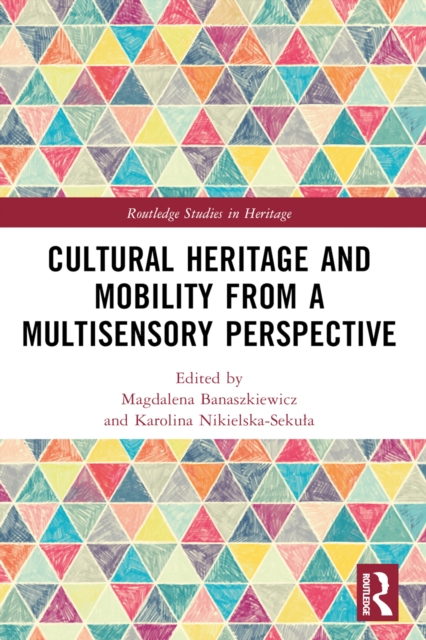
Cultural Heritage and Mobility from a Multisensory Perspective bridges the gap between cultural heritage and mobility studies through the employment of theoretical and methodological multisensory perspectives.
Dramaturgy and History provides a practical account of an aspect of dramaturgical practice that is often taken for granted: dramaturgs' engagements with history and historiography.
The Museum Movement provides the first systematic overview of the 'museum movement' of the early twentieth century, which encouraged museums to play a greater role in education and civic uplift.
The face of a poor person does not frown or the eyebrow of a needy person frowns except that miserliness is the cause of it, and constipation is the trigger for him.
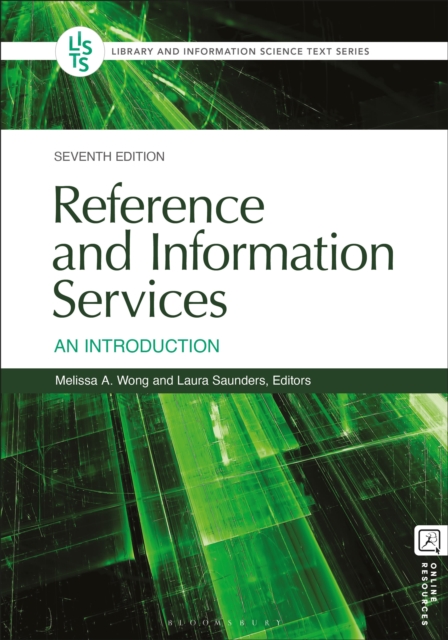
Written as a textbook for LIS students taking reference courses, this fully updated and revised seventh edition of Reference and Information Services: An Introduction also serves as a helpful handbook for practitioners to refamiliarize themselves with particular types and formats of sources and to refresh their knowledge on specific service topics.
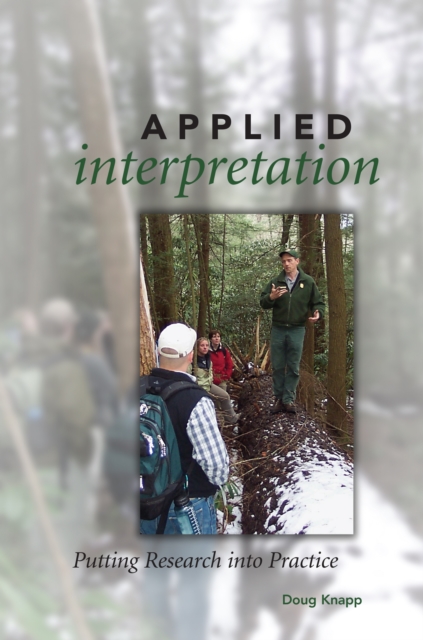
Applied Interpretation: Putting Research into Practice offers practitioners, managers, and students of interpretation a source for interpretive theory, techniques, strategies, and experiences that have been shown, through research, to be successful in conveying interpretive messages.
Cultural Heritage and Mobility from a Multisensory Perspective bridges the gap between cultural heritage and mobility studies through the employment of theoretical and methodological multisensory perspectives.
Museums and the History of Computing examines the critical role that cultural organizations, such as museums and galleries, play in shaping 'digital heritage': the cultural heritage surrounding computer technology.
Applied Interpretation: Putting Research into Practice offers practitioners, managers, and students of interpretation a source for interpretive theory, techniques, strategies, and experiences that have been shown, through research, to be successful in conveying interpretive messages.
Focusing on cultural expressions that are most likely to intermingle with copyright law, trademark and IP-adjacent regulations, this book examines contemporary issues in technology, intellectual property law, and culture.
The panorama is primarily a visual medium, but a variety of print matter mediated its viewing; adverts, reviews, handbills and a descriptive programme accompanied by an annotated key to the canvas.
This book provides a detailed introduction to the study of the Tsinghua Bamboo Slips, explaining the preservation and analysis of the artifacts and their significance in historical research of the pre-Qin period.
This anthology of essays, a companion to Puppet and Spirit: Ritual, Religion, and Performing Objects, Volume I, aims to explore the many types of relationships that exist between puppets, broadly speaking, and the immaterial world.
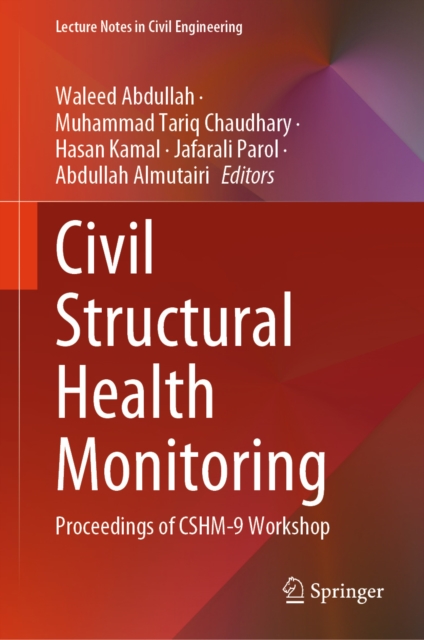
This book gathers the latest advances and innovations in the field of structural health monitoring, as presented at the 9th Civil Structural Health Monitoring Workshop (CSHM-9), held in Kuwait on February 12-14, 2024.
This book gathers the latest advances and innovations in the field of structural health monitoring, as presented at the 9th Civil Structural Health Monitoring Workshop (CSHM-9), held in Kuwait on February 12-14, 2024.
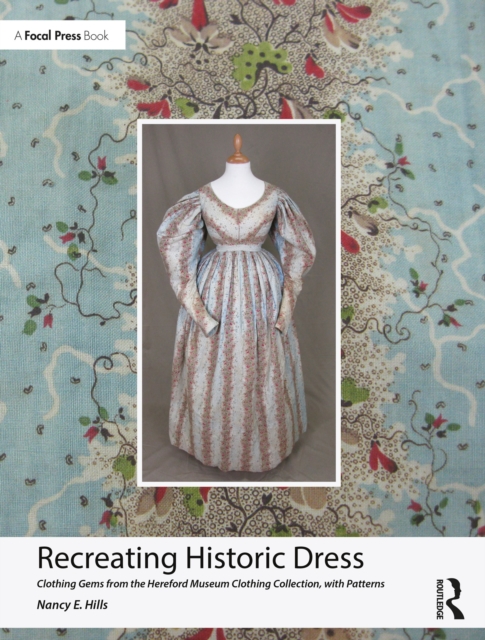
Recreating Historic Dress: Clothing Gems from the Hereford Museum Clothing Collection, with Patterns compiles patterns and information for 25 never-before-published garments from the historic clothing collection at the Hereford Museum and Art Gallery Resource Centre, Hereford, UK.
The panorama is primarily a visual medium, but a variety of print matter mediated its viewing; adverts, reviews, handbills and a descriptive programme accompanied by an annotated key to the canvas.
Bibliotheken stehen für Informationsgerechtigkeit und Teilhabe in einer demokratischen Gesellschaft sowie eine offene und lebendige Lern- und Forschungskultur.
Bibliotheken stehen für Informationsgerechtigkeit und Teilhabe in einer demokratischen Gesellschaft sowie eine offene und lebendige Lern- und Forschungskultur.
This edited book considers the significance of creole cultures within current, changing global contexts located within post-colonial and developing states.
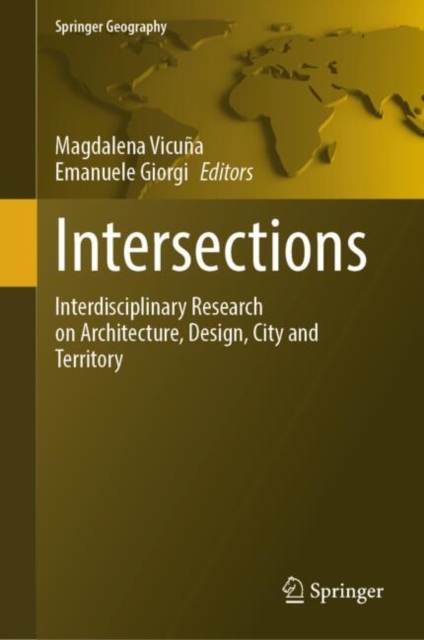
This book presents a critical vision of the role of architecture and design in constantly changing cities, territories and societies from a Latin American perspective.
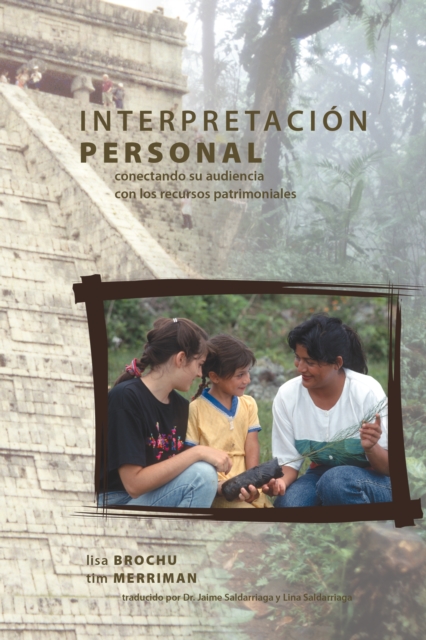
La interpretacion de nuestro patrimonio es una obra de lectura obligada para todasaquellas personas que se dedican profesionalmente a esta maravillosa, aunque poco conocida y menos difundida, disciplina.
La interpretacion de nuestro patrimonio es una obra de lectura obligada para todasaquellas personas que se dedican profesionalmente a esta maravillosa, aunque poco conocida y menos difundida, disciplina.