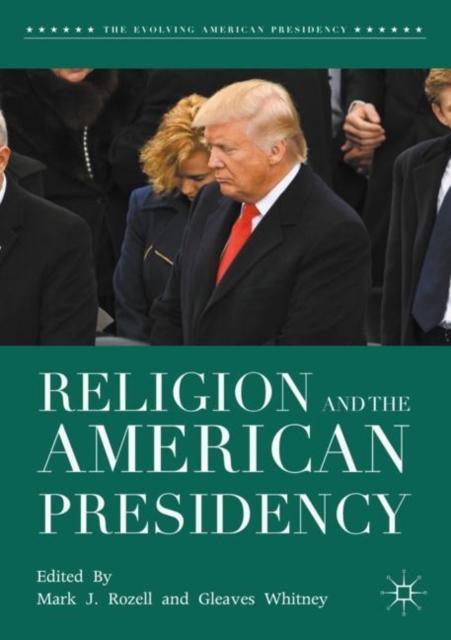
This book chronologically analyzes thirteen key US Presidents, from Washington to Trump, to highlight how religion has informed or influence their politics and policies.
This book assesses the quality of democracy through the study of organized interests in Central and Eastern Europe (CEE) since the collapse of communism in 1989 up to 2017.
This book analyzes social movements across a range of countries in the non-Western world: Bosnia, Brazil, Egypt, India, Iran, Palestine, Russia, Syria, Turkey and Ukraine in the period 2008 to 2016.
This edited collection presents the concept of lived citizenship as a fruitful avenue for exploring the role played by social work practices in the lives of people in vulnerable positions.
This book argues that the primary political obstacle holding women back in the twenty-first century is a bait and switch promising but simultaneously undercutting gender equality.
This edited volume analyzes mistakes in different areas of international relations including the realms of security, foreign policy, finance, health, development, environmental policy and migration.
Over the past thirty years the comparative study of policy agendas under the aegis of the Comparative Agendas Project (CAP) has become one of the fastest growing sub-field in policy research.
This book examines why press freedom has not become part of the established international human rights debate, despite its centrality to democratic theory.
This book argues that Islam's role in state nationalism is the best predictor of the Islamization of government using two most different cases: Turkey, which was an aggressively secular country until recently, and Pakistan, a country that is synonymous with Islamization.
In light of the public and scholarly debates on the challenges and problems of established democracies, such as a lack of participation, declining confidence in political elites, and the deteriorating capabilities of democratic institutions, this volume discusses the question whether democracy as such is in crisis.
This book analyses the policies of recognition that were developed and implemented to improve the autonomy and socio-economic well-being of Maori in New Zealand and of indigenous and Afro-descendent people in Colombia.
This book offers a critical account of studies of local immigration policy and a relational approach to explain its emergence, variation, and effects in a context of interdependence and globalization.
This book explores theories of conflict and peacebuilding and applies them to case studies from the Asia Pacific region, seeking to shift attention to the inherency of conflict, the constant danger of re-emergence, and the need to establish mechanisms to resolve it.
This book provides insights on regulatory effectiveness in the field of food safety, by focusing on the variety of institutional factors affecting regulatory outcomes.
This book aims to establish a dialogue around the various "e;urban sanctuary"e; policies and other formal or informal practices of hospitality toward migrants that have emerged or been strengthened in cities in the Americas in the last decade.
This book studies the rollercoaster first year in office of the Coalition of the Radical Left (SYRIZA), which for many Europeans constituted the hope for a different Europe, beyond austerity and national egocentrism.
This book analyses the discourses of economic liberalization reform in six Western European countries - Germany, France, the United Kingdom, the Netherlands, Switzerland and Austria.
This book examines the increasing territorialisation of party competition and the relaxation of unitarian rule through devolution, presenting a long-term analysis of electoral developments in the United Kingdom since the end of the Second World War.
This book offers the first comparative study of far-right messaging and organizing efforts at the workplace level as well as responses by established trade unions, encompassing six European countries (Belgium, France, Germany, Hungary, Italy, Poland).
This book bridges the gap between academic researchers and policymaking experts working on the Western Balkans and those dealing with the Baltic States.
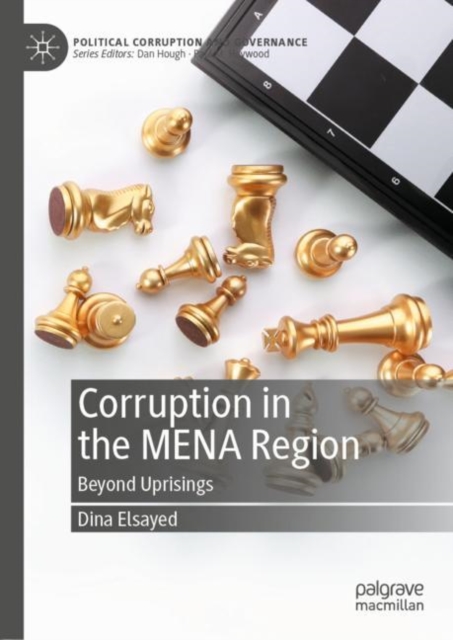
This book explores the causes of corruption in the Middle East and North Africa through a systematic cross-national comparative analysis of fifteen countries in the region.
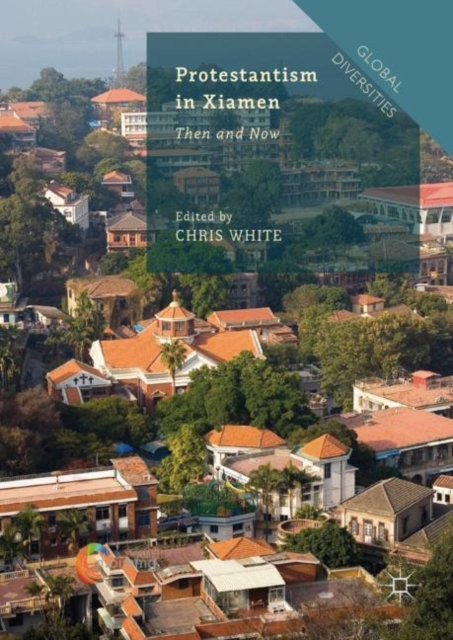
This interdisciplinary volume represents the first comprehensive English-language analysis of the development of Protestant Christianity in Xiamen from the nineteenth century to the present.
This book introduces a new perspective on risk seeking behaviour, developing a framework based on various cognitive theories, and applying it to the specific case-study of Turkey's foreign policy toward Syria.
This volume offers an overview of the critical challenges faced by aspiring African entrepreneurs and their coping strategies to sustain and develop their businesses.
This innovative edited collection provides a comprehensive analysis of modern secularism across Asia which contests and expands prevailing accounts that have predominantly focused on the West.
This book challenges the common perception that global politics is making progress on indigenous issues and argues that the current global care for indigeneity is, in effect, violent in nature.