In May 1945, as World War II drew to a close in Europe, some 30,000 Russian Cossacks surrendered to British forces in Austria, believing they would be spared repatriation to the Soviet Union.
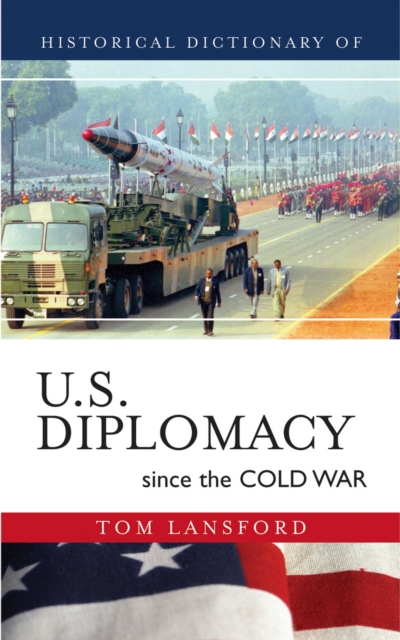
More than three decades after the Cold War, international institutions have yet to cope with pressing problems, emerging challenges, and regional and international conflicts.
Nation Branding in the Americas: Contested Politics and Identities provides an overview of nation branding in the Americas, an often neglected continent(s) in debates about the creation, dissemination and management of national images.
#1NEW YORK TIMESBESTSELLER#1 WALL STREET JOURNAL BESTSELLER#1 PUBLISHERS WEEKLY BESTSELLER #1 AMAZON BESTSELLERJared Kushner was one of the most consequential presidential advisers in modern history.
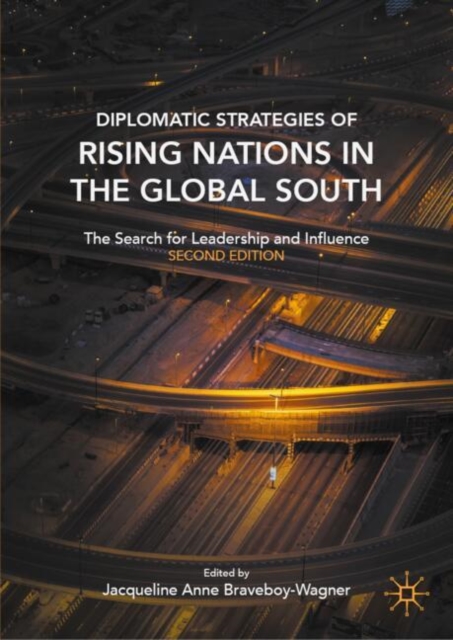
At a time of change in the international system, this book examines how non-traditional leading nations from the Global South have fared to date and what the chances are of their rise to continue.
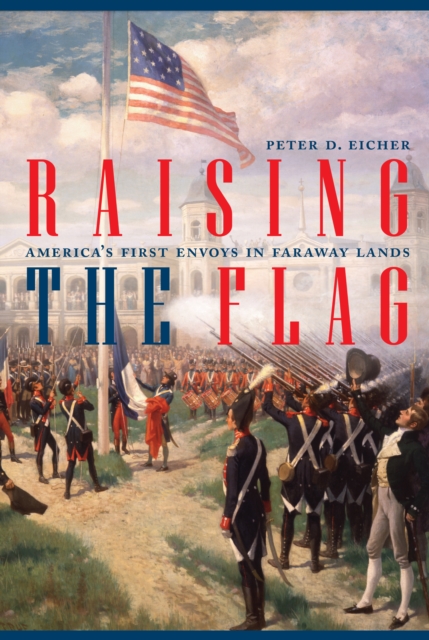
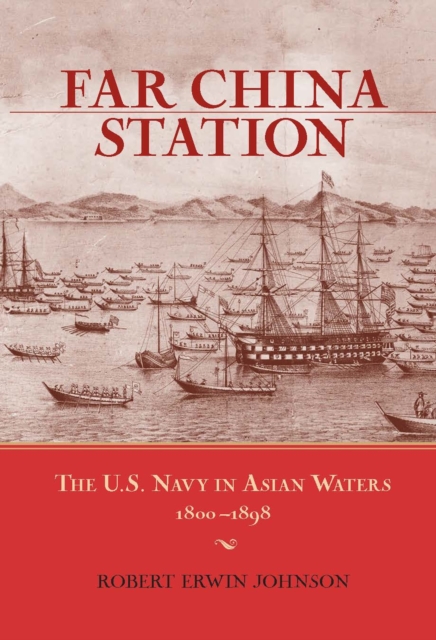
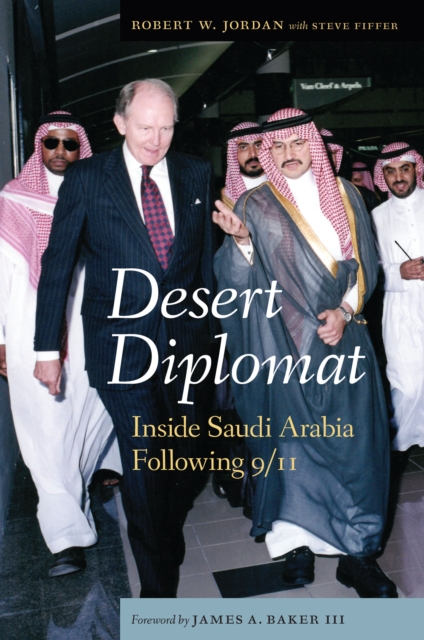
Since its inception the United States has sent envoys to advance American interests abroad, both across oceans and to areas that later became part of the country.
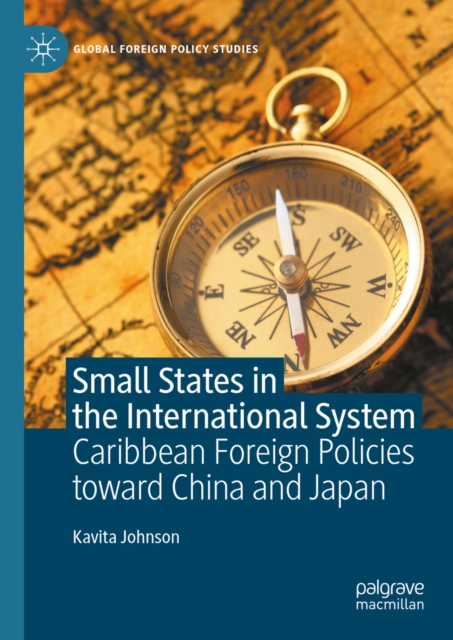
This book will explore the reorientation of the foreign policy direction of the Caribbean from traditional partners in the western hemisphere towards partners in the Asia-Pacific region.
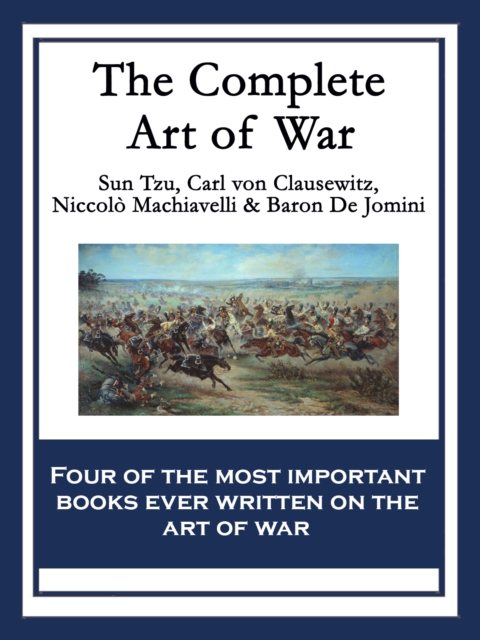
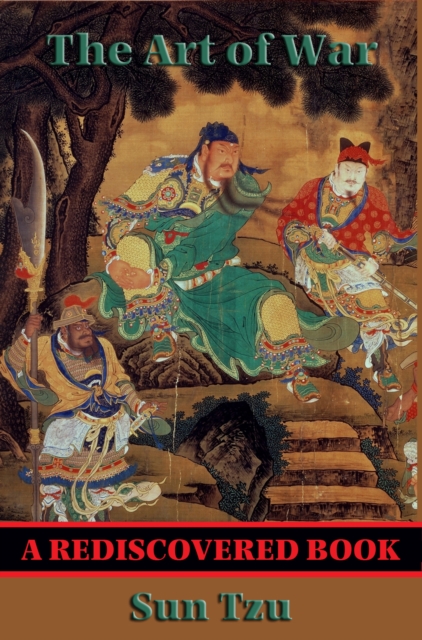
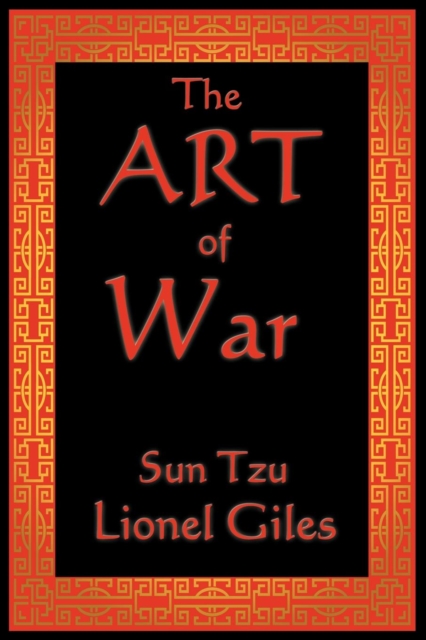
Collected here in this 4-in-1 omnibus are the most important books ever written on the art of war: 'The Art of War' by Sun Tzu; 'On War' by Carl von Clausewitz; 'The Art of War' by Niccolo Machiavelli, and 'The Art of War' by Baron De Jomini.
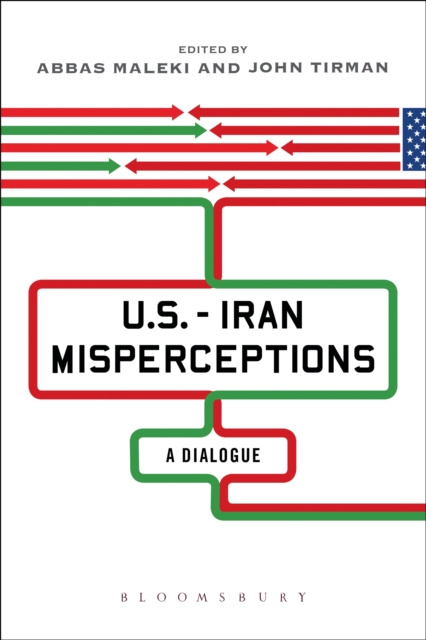
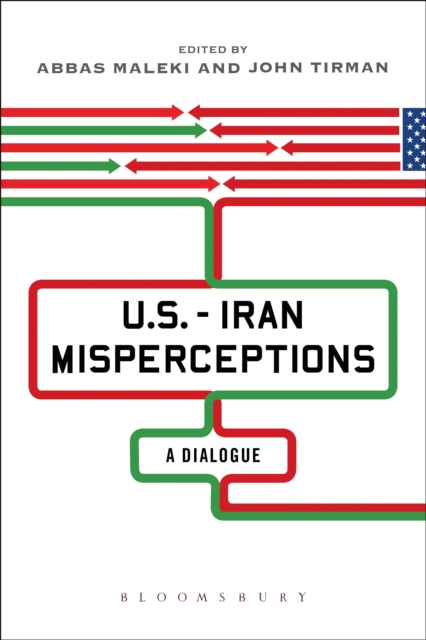
Choice Outstanding Academic Title 2014Scores of books have been written by Western experts, mainly American, looking at the root causes of the conflict between Iran and the US.
Choice Outstanding Academic Title 2014Scores of books have been written by Western experts, mainly American, looking at the root causes of the conflict between Iran and the US.
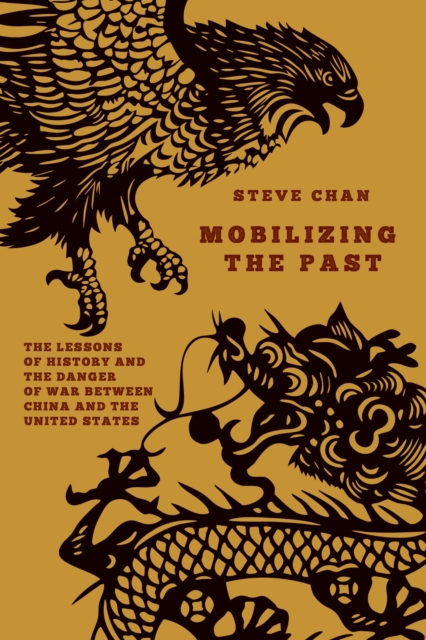
Historical analogies are often utilized to frame and formulate foreign policies, illuminate issues of war and peace, and mobilize support for particular political programs.
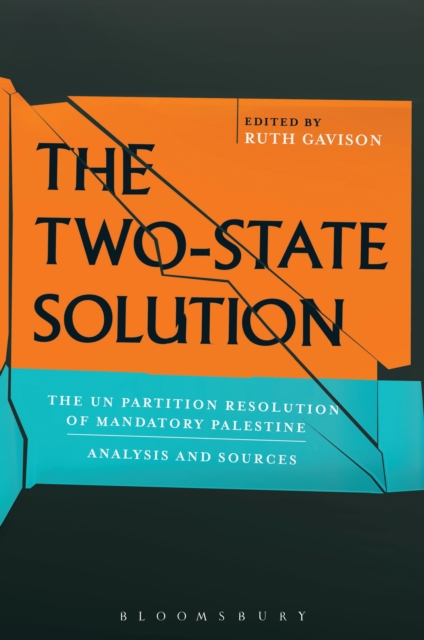
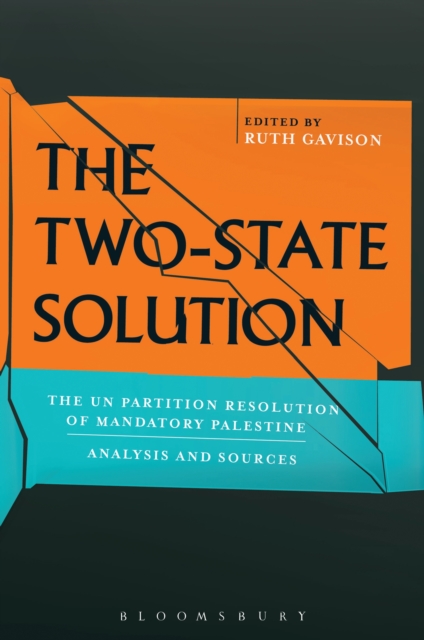
This timely work, contributed by noted authorities, explains the crucial events in the history of the Israeli-Palestinian conflict that led to the UN resolution to partition Palestine into two states on November 29, 1947.
This timely work, contributed by noted authorities, explains the crucial events in the history of the Israeli-Palestinian conflict that led to the UN resolution to partition Palestine into two states on November 29, 1947.