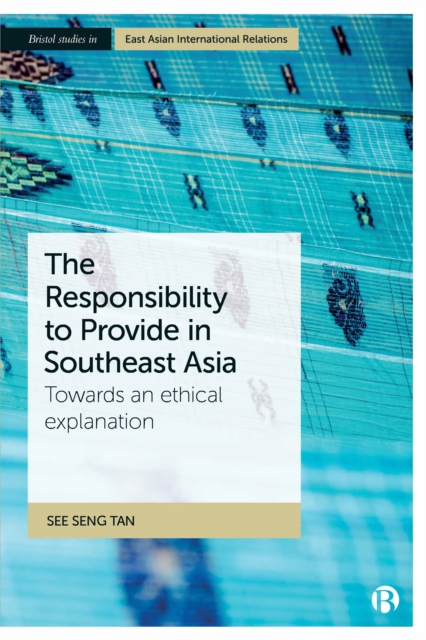
Despite the long-held and jealously guarded ASEAN principle of non-intervention, this book argues that states in Southeast Asia have begun to display an increasing readiness to think about sovereignty in terms not only of state responsibility to their own populations but also towards neighbouring countries as well.
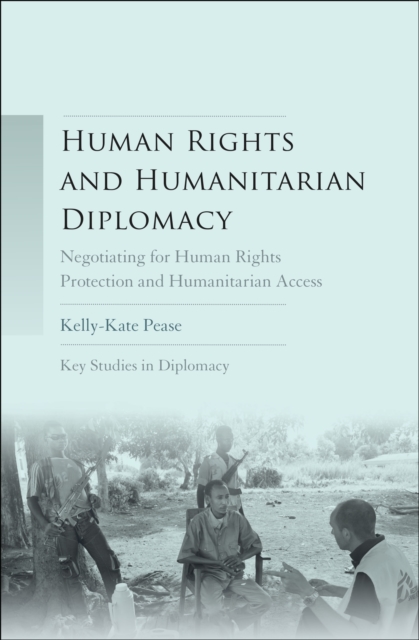
Human rights and humanitarian diplomacy provides an up to date and accessible overview of the field, and serves as a practical guide to those seeking to engage in human rights work.
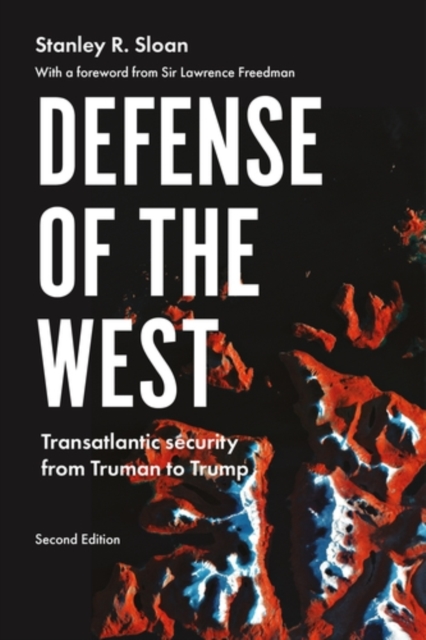
Written in a lively and readable style by the world's leading authority on the North Atlantic Treaty Organization and US-European relations, Defense of the West is the history of a transatlantic security relationship that has endured for over seventy years.
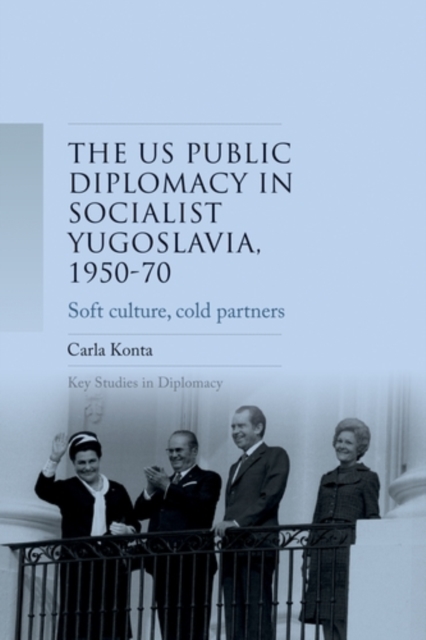
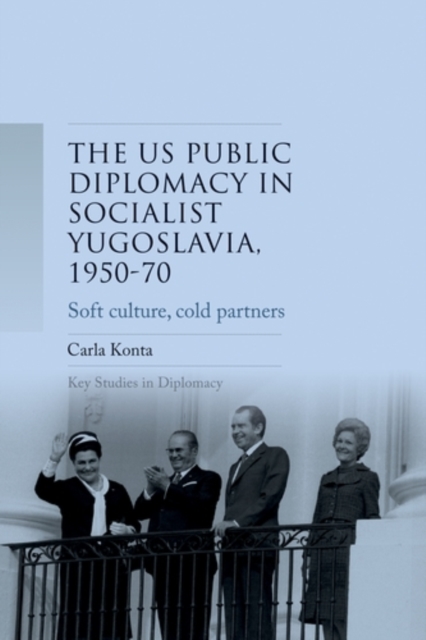
Representing the first comprehensive account of the public and cultural diplomacy campaigns carried out by the United States in Yugoslavia during the height of the Cold War, this book examines the political role of culture in US-Yugoslav bilateral relations and the fluid links between information and propaganda.
Representing the first comprehensive account of the public and cultural diplomacy campaigns carried out by the United States in Yugoslavia during the height of the Cold War, this book examines the political role of culture in US-Yugoslav bilateral relations and the fluid links between information and propaganda.
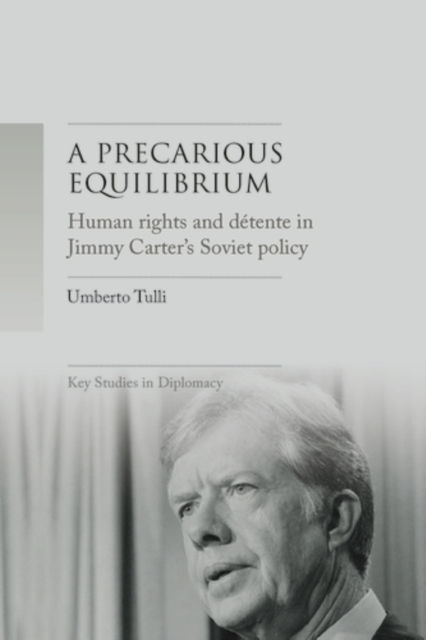
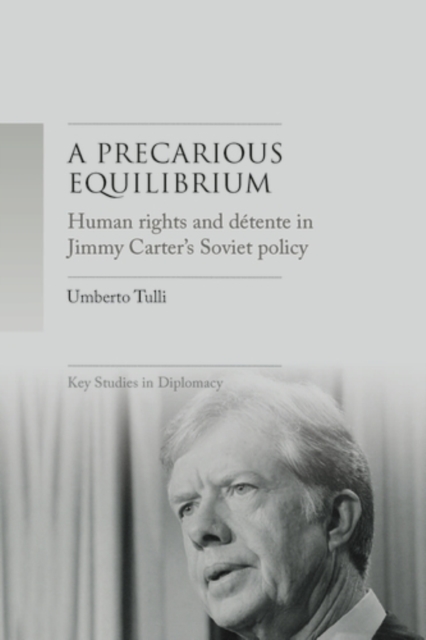
In January 1981, just days before Jimmy Carter left the White House, many of the president's officials were well satisfied with the administration's campaign to promote human rights.
Written in a lively and readable style by the world's leading authority on the North Atlantic Treaty Organization and US-European relations, Defense of the West is the history of a transatlantic security relationship that has endured for over seventy years.
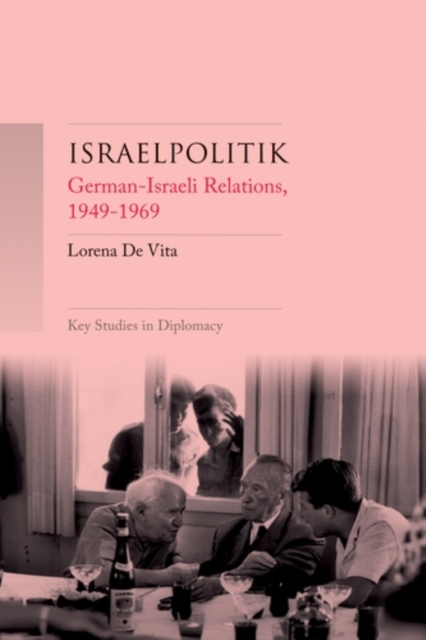
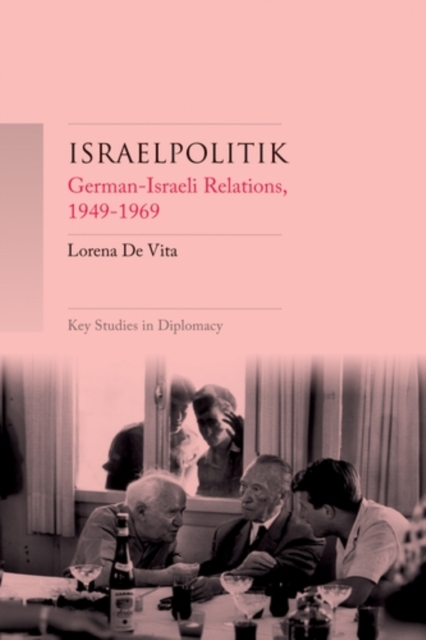
The rapprochement between Germany and Israel in the aftermath of the Holocaust is one of the most striking political developments of the twentieth century.
The rapprochement between Germany and Israel in the aftermath of the Holocaust is one of the most striking political developments of the twentieth century.
The Northern Ireland Experience of Conflict and Agreement presents a salutary warning to the international community against the fashionable view that there is an 'Irish model' which can be exported to cauterise ethnic troubles around the globe.
This book examines the distinctive aspects that insiders and outsiders perceived as characteristic of Irish and Scottish ethnic identities in New Zealand.
Human rights and humanitarian diplomacy provides an up to date and accessible overview of the field, and serves as a practical guide to those seeking to engage in human rights work.
This book explores various dimensions of recent international relations scholarship, taking the case of Afghanistan as a point of departure for discussion of these different themes.
Collected here in this 4-in-1 omnibus are the most important books ever written on the art of war: The Art of War by Sun Tzu; On War by Carl von Clausewitz; The Art of War by Niccol Machiavelli, and The Art of War by Baron De Jomini.
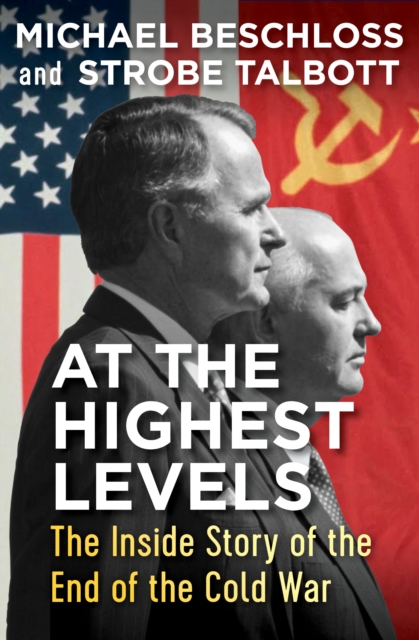
The landmark story of Bush-Gorbachev diplomacy: "e;No one has ever given as complete and compelling an account of the higher reaches of foreign policy"e; (Time).
In the Cold War era, the confrontation between capitalism and communism played out not only in military, diplomatic, and political contexts, but also in the realm of culture-and perhaps nowhere more so than the cultural phenomenon of sports, where the symbolic capital of athletic endeavor held up a mirror to the global contest for the sympathies of citizens worldwide.
Canada is a key member of the world's most important international intelligence-sharing partnership, the Five Eyes, along with the US, the UK, New Zealand, and Australia.
The ';illuminating' (Los Angeles Times) answer to why Israel and Palestine's attempts at negotiation have failed and a practical, ';admirably measured' (The New York Times) roadmap for bringing peace to the Middle Eastby an impartial American diplomat experienced in solving international conflicts.
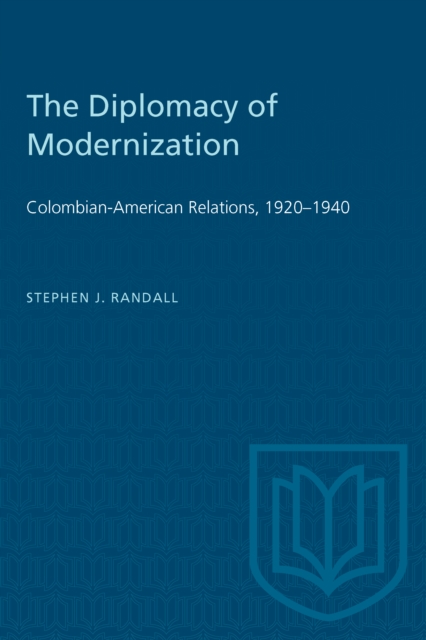
Drawing upon extensive research in the United States, Colombia, and Great Britain, The Diplomacy of Modernization examines the evolution of United States foreign policy in Colombia between the world wars, concentrating on the period of the Herbert Hoover and Franklin D.
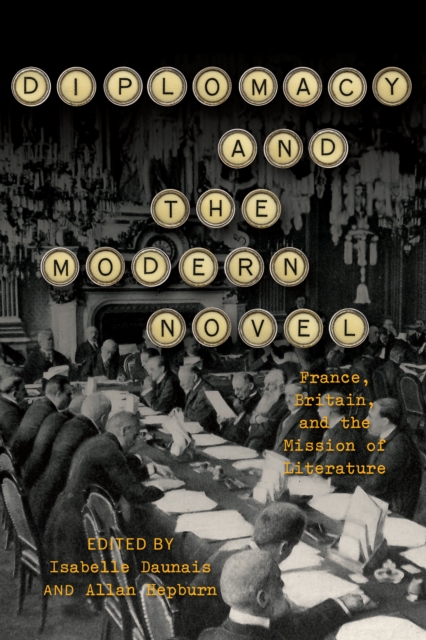
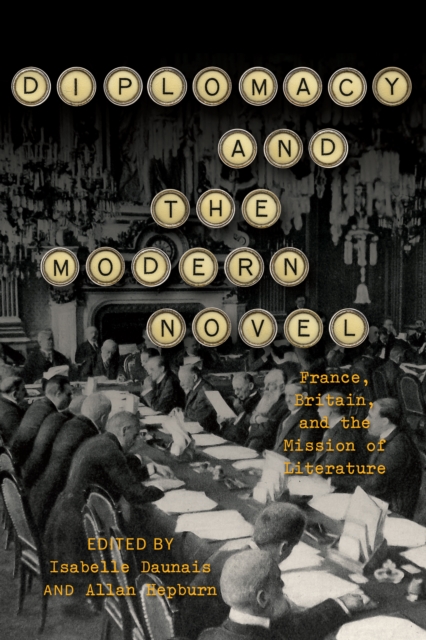
Between 1900 and 1960, many writers in France and Britain either had parallel careers in diplomatic corps or frequented diplomatic circles: Paul Claudel, Albert Cohen, Lawrence Durrell, Graham Greene, John le Carre, Andre Malraux, Nancy Mitford, Marcel Proust, and others.
Between 1900 and 1960, many writers in France and Britain either had parallel careers in diplomatic corps or frequented diplomatic circles: Paul Claudel, Albert Cohen, Lawrence Durrell, Graham Greene, John le Carre, Andre Malraux, Nancy Mitford, Marcel Proust, and others.