The Personnel Security Clearance System—the process by which the federal government incorporates individuals into secret national-security work—is flawed.
The Personnel Security Clearance System—the process by which the federal government incorporates individuals into secret national-security work—is flawed.
"e;This book should be required reading not only for intelligence professionals but also for senior leaders making decisions on force structure so they better appreciate the impact our counterintelligence force can make when properly resourced.
"e;A fascinating account"e; of the secret Virginia facility code-named PO Box 1142, where the US gathered intelligence and interrogated German prisoners (Journal of Counterterrorism & Homeland Security International).
"e;A fascinating insider's account"e; of the decades-long intelligence sharing relationship among the US, UK, Canada, Australia, and New Zealand (Perspectives on Terrorism).
If the experts could point to any single book as a starting point for understanding the subject of intelligence from the late twentieth century to today, that single book would be Allen W.
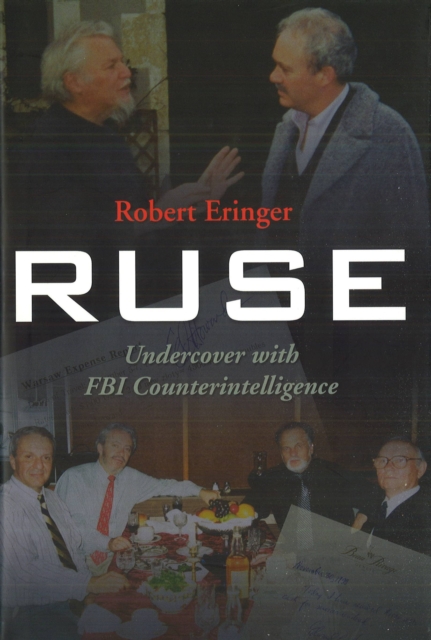
For nearly ten years beginning in 1993, Robert Eringer lived a clandestine life of intrigue, conducting a spectrum of covert operations for the FBI's foreign counterintelligence division.
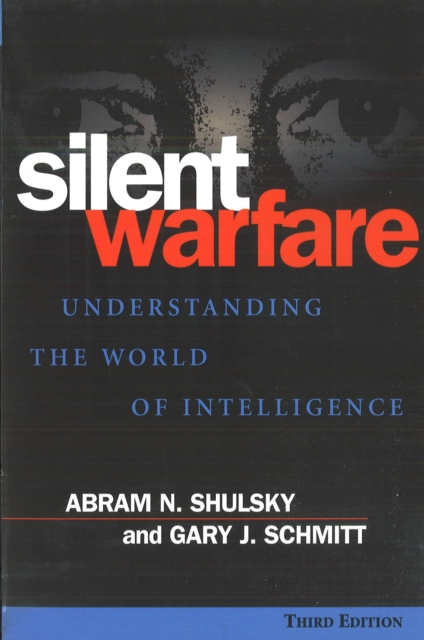
A thoroughly updated revision of the first comprehensive overview of intelligence designed for both the student and the general reader, Silent Warfare is an insiders guide to a shadowy, often misunderstood world.
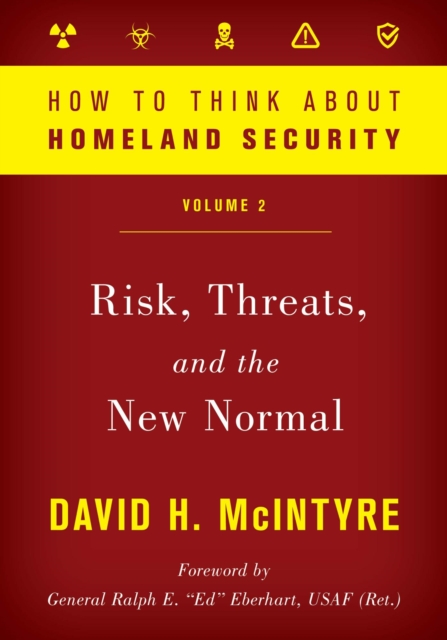
Risk, Threats and the New Normal explains the new political and technological developments that created new domestic national security threats against the nation and the people of the United States.
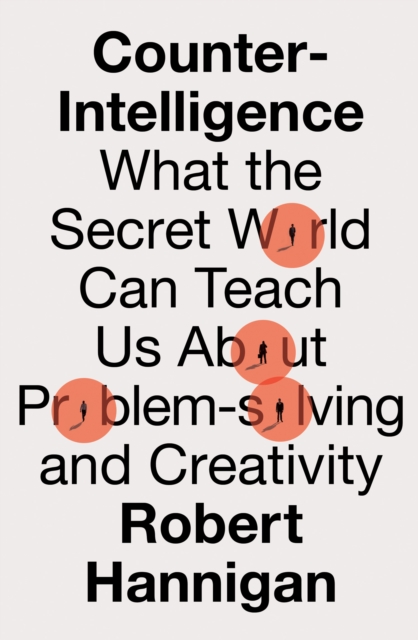
Best Books of 2024, The EconomistFrom the codebreakers and problem solvers, to the engineers, mathematicians and other problem-solvers - what the secret world can teach us about performance and creativity How do you hire smart people who can work together to prevent terrorist attacks and decode encrypted technology?
'A darkly entertaining tale about American espionage, set in an era when Washington's fear and skepticism about the agency resembles our climate today.
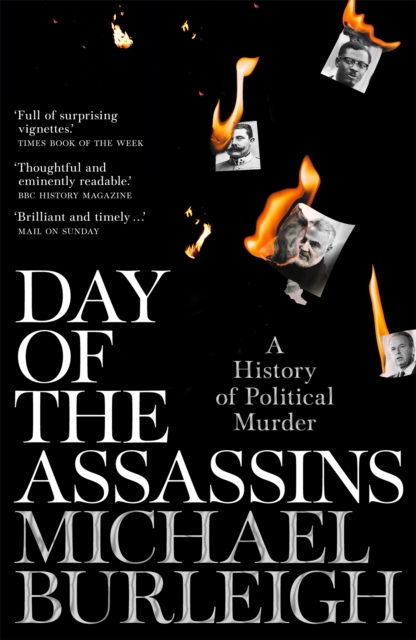
'Written with Burleigh's characteristic brio, with pithy summaries of historical moments (he is brilliant on the Americans in Vietnam, for example) and full of surprising vignettes' - The Times 'Book of the Week'In Day of the Assassins, acclaimed historian Michael Burleigh examines assassination as a special category of political violence and asks whether, like a contagious disease, it can be catching.
First published in 1917, "e;The World's Greatest Military Spies and Secret Service Agents"e; contains real accounts of men and women throughout history who have risked their lives in daring exploits for the sake of flag and country.
"e;Spies and Secret Service"e; is a 1915 work by Hamil Grant that explores the world of spying and espionage, examining its history and inner workings with a particular focus on nineteenth century Europe.
Originally published in 1865, "e;Nurse and Spy in the Union Army"e; is a memoir by Emma Edmonds (1841-1898) who famously dressed as a man in order to enlist in the 2nd Michigan Infantry during the American Civil War.
When it comes to espionage and spying, what often springs to one's mind is a well-groomed English Oxford graduate with a penchant for overly-specific alcoholic beverages and womanising.
"e;The Riddle of the Sands - A Record of Secret Service Recently Achieved"e; is a 1903 novel by British-born Irish writer Erskine Childers (1870-1922).
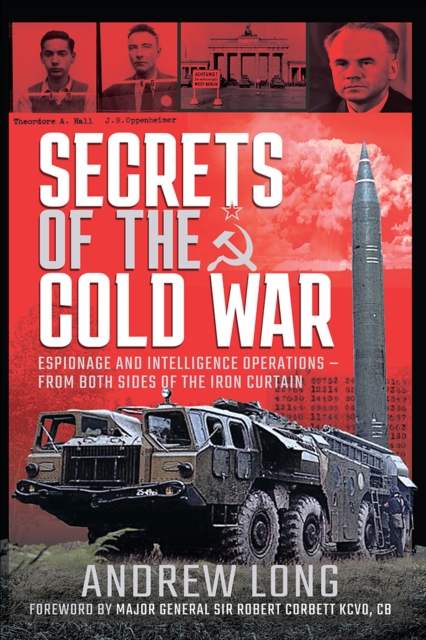
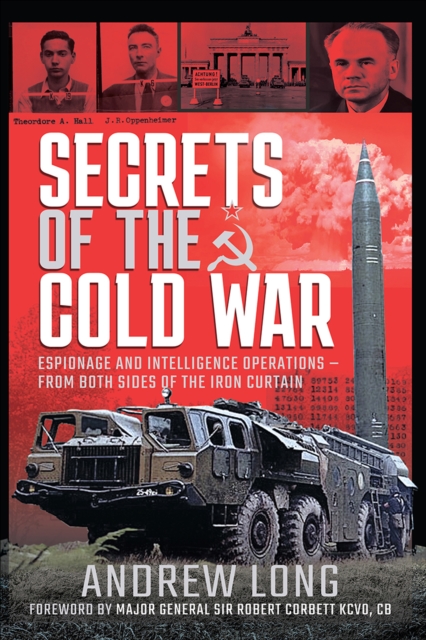
The dramatic story of how the superpowers collected secrets and used intelligence to build an advantage during the Cold War, the longest and most dangerous confrontation of the twentieth century.
The dramatic story of how the superpowers collected secrets and used intelligence to build an advantage during the Cold War, the longest and most dangerous confrontation of the twentieth century.
Early espionage organisations like Walsingham's Elizabethan spy network were private enterprises, tasked with keeping the Tudor Queen and her government safe.
Early espionage organisations like Walsingham's Elizabethan spy network were private enterprises, tasked with keeping the Tudor Queen and her government safe.