This intellectual biography of the Egyptian Muslim theologian, scholar, and activist, Muhammad al-Ghazali (1917-1996), provides the most comprehensive study to date of one of the most influential Sunni Muslim writers of the twentieth century.
At its zenith, the Islamic State was one of the most developed and powerful of the various militant organisations that have emerged within the Middle East in recent decades.
While a substantial body of research explains how the conflict between India and Pakistan originated and developed over time, a systematic and multivariate inquiry cutting across different IR paradigms to understand this rivalry is rare or limited.
By delvinginto the complex, cross-generational exchanges that characterize anypolitical project as rampant as empire, thisthought-provoking study focusesonchildrenand their ambivalent, intimate relationships with mapsandpracticesof mappingat the dawn of the American Century.
After the fall of the Ottoman Empire following World War I, the Kurds in the Middle East became the largest ethnic group in the region without a state of their own.
While a substantial body of research explains how the conflict between India and Pakistan originated and developed over time, a systematic and multivariate inquiry cutting across different IR paradigms to understand this rivalry is rare or limited.
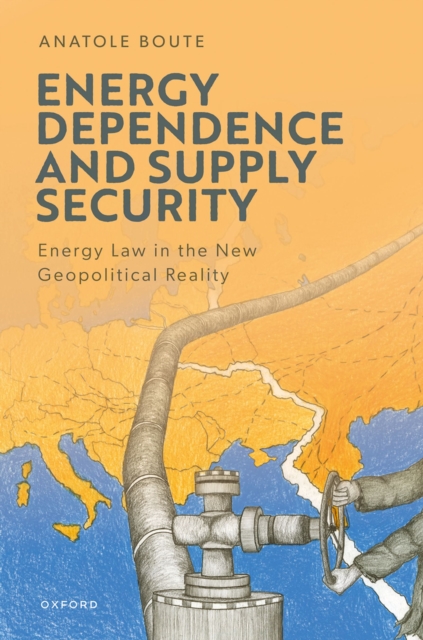
Russia's 2022 invasion of Ukraine administered an unprecedented shock to the European and global energy markets, triggering emergency interventions and market reforms to limit the impact of the crisis on energy prices and supply security.
Drawing on over two decades of research in and on China and on extensive reviews of current scholarship, China: The Basics introduces readers to the key aspects of Chinese society, culture, and politics.
After the fall of the Ottoman Empire following World War I, the Kurds in the Middle East became the largest ethnic group in the region without a state of their own.
A clear-headed vision for the United States' role in the Middle East that highlights the changing nature of US national interests and the challenges of grand strategizing at a time of profound change in the international order.
After the Cold War, America's leaders hoped Russia and China could be integrated into the rules-based international order and might even become more like the West.
After the Cold War, America's leaders hoped Russia and China could be integrated into the rules-based international order and might even become more like the West.
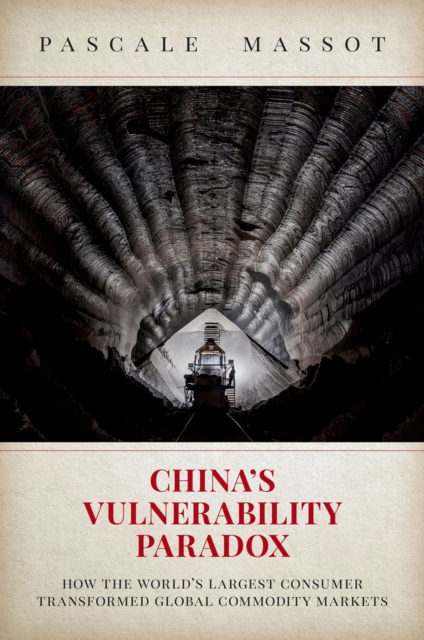
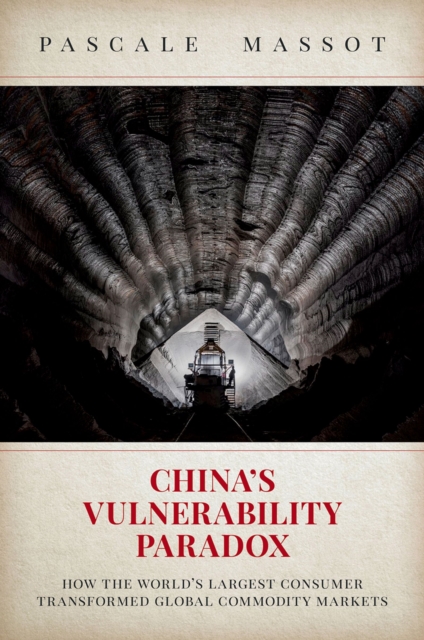
China's Vulnerability Paradox explains the uneven transformations in global commodity markets resulting from China's contemporary, dramatic economic growth.
China's Vulnerability Paradox explains the uneven transformations in global commodity markets resulting from China's contemporary, dramatic economic growth.
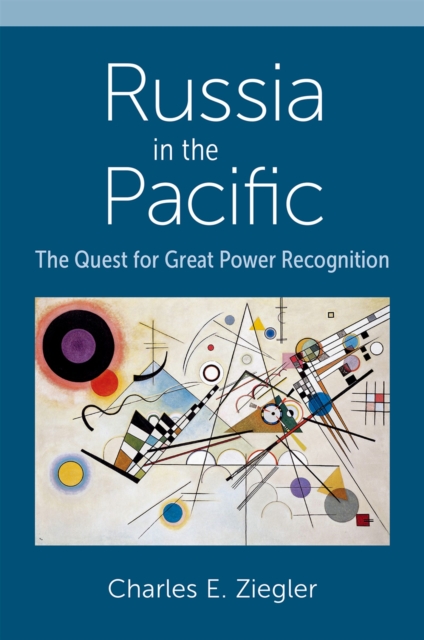
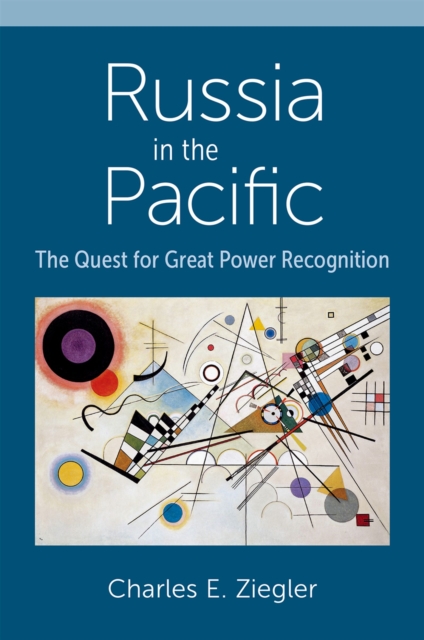
Russia in the Pacific approaches the puzzle of why Russia, with much of its huge territory straddling Asia, has not had more success in establishing a position as a great power in the Asia Pacific.
Russia in the Pacific approaches the puzzle of why Russia, with much of its huge territory straddling Asia, has not had more success in establishing a position as a great power in the Asia Pacific.
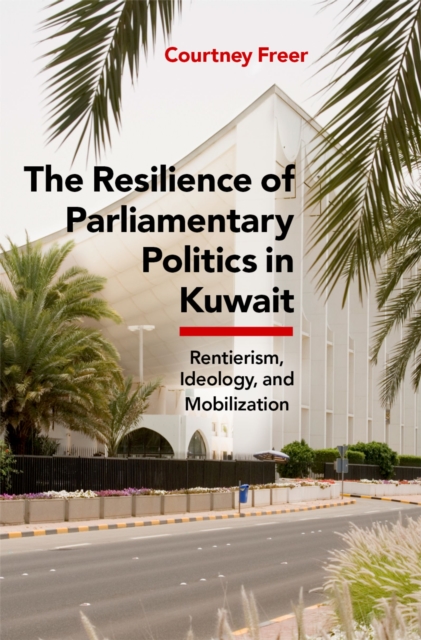
The first English language political history of Kuwaiti parliament, this book provides an unprecedented holistic treatment of grassroots contemporary Kuwaiti politics in English in over two decades, incorporating the country's political dynamics into broader debates about the limits of authoritarianism and the practice of democracy in the Arab world, particularly in oil-wealthy states.
The first English language political history of Kuwaiti parliament, this book provides an unprecedented holistic treatment of grassroots contemporary Kuwaiti politics in English in over two decades, incorporating the country's political dynamics into broader debates about the limits of authoritarianism and the practice of democracy in the Arab world, particularly in oil-wealthy states.
In a time where US deployments are uncertain, this book shows how US service members can either build the necessary support to sustain their presence or create added animosity towards the military presence.
Overcoming the Oppressors traces southern Africa's long walk to freedom, the overturning of colonial rule in the northern territories, and the dissolution of backs-to-the-wall white settler suzerainty, first in what became Zimbabwe and then in South Africa.
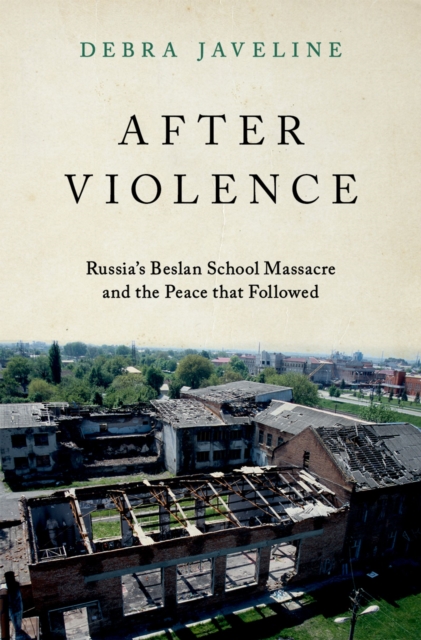
A novel analysis of the aftermath of the most appalling terrorist act in Russian history, the seizure of a school and the violent deaths of hundreds of hostages, and insights into why it triggered unprecedented peaceful political activism instead of the widely predicted retaliatory ethnic violence.
A novel analysis of the aftermath of the most appalling terrorist act in Russian history, the seizure of a school and the violent deaths of hundreds of hostages, and insights into why it triggered unprecedented peaceful political activism instead of the widely predicted retaliatory ethnic violence.
Over the last thirty years, governments across the globe have formalized new relationships with religious communities through their domestic and foreign policies and have variously sought to manage, support, marginalize, and coopt religious forces through them.
Over the last thirty years, governments across the globe have formalized new relationships with religious communities through their domestic and foreign policies and have variously sought to manage, support, marginalize, and coopt religious forces through them.
This book examines economic integration and peace prospects in Central and South Asia with focus on UTTAPI countries-Uzbekistan, Turkmenistan, Tajikistan, Afghanistan, Pakistan, and India.
This book examines economic integration and peace prospects in Central and South Asia with focus on UTTAPI countries-Uzbekistan, Turkmenistan, Tajikistan, Afghanistan, Pakistan, and India.
A gripping narrative history of one of the most complex and important conflicts in the world--the battle to dominate the Middle East regional order, from 2003 to the present When President George W.
A clear-headed vision for the United States' role in the Middle East that highlights the changing nature of US national interests and the challenges of grand strategizing at a time of profound change in the international order.