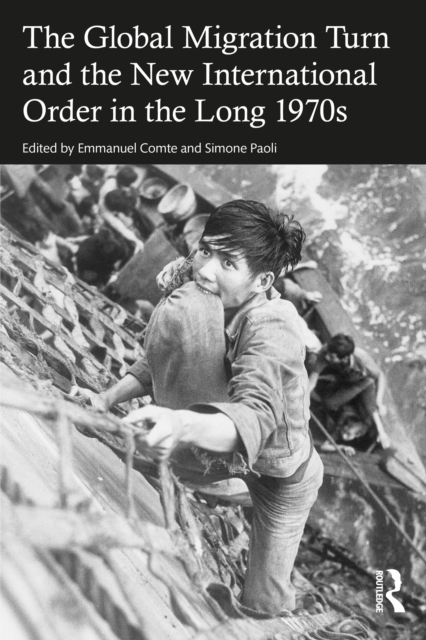
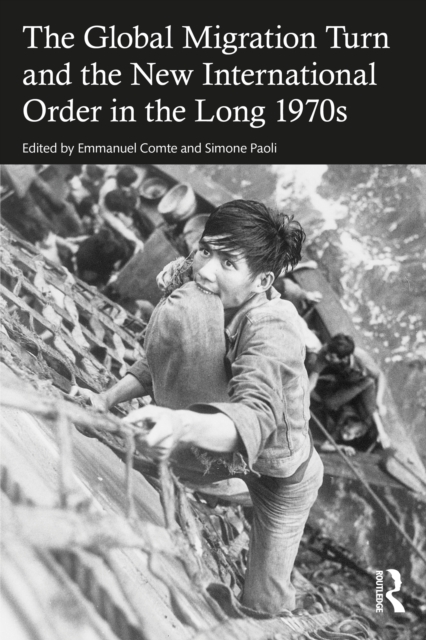
This book reveals how policies, public sentiments, and international negotiations converged to reshape migration governance in the 1970s, a pivotal decade which serves as a crucial starting point for grappling with one of the twenty-first century's defining issues.
This book reveals how policies, public sentiments, and international negotiations converged to reshape migration governance in the 1970s, a pivotal decade which serves as a crucial starting point for grappling with one of the twenty-first century's defining issues.
This book explores the critical intersection of contemporary livestock production and some of today's most urgent challenges: the spread of emerging infectious diseases, the sustainability of food systems, and the contested promises of One Health.
This book explores the increasingly significant role of cities as actors in the European Union's foreign policy, with a particular focus on EU-China relations.
This book explores the critical intersection of contemporary livestock production and some of today's most urgent challenges: the spread of emerging infectious diseases, the sustainability of food systems, and the contested promises of One Health.
This book explores the increasingly significant role of cities as actors in the European Union's foreign policy, with a particular focus on EU-China relations.
This book addresses a central puzzle in the study of European integration: why have some post-communist countries successfully embedded democratic and market institutions after EU accession or candidacy, while others have faltered or regressed?
This book addresses a central puzzle in the study of European integration: why have some post-communist countries successfully embedded democratic and market institutions after EU accession or candidacy, while others have faltered or regressed?
Das „Jahrbuch der Europäischen Integration“ des Instituts für Europäische Politik (Berlin) dokumentiert und bilanziert seit 1980 zeitnah und detailliert den europäischen Integrationsprozess.
This book explores the politics of multilateralism in the context of three United Nations (UN) pillars: human rights, peace and security, and development.
This book explores the politics of multilateralism in the context of three United Nations (UN) pillars: human rights, peace and security, and development.
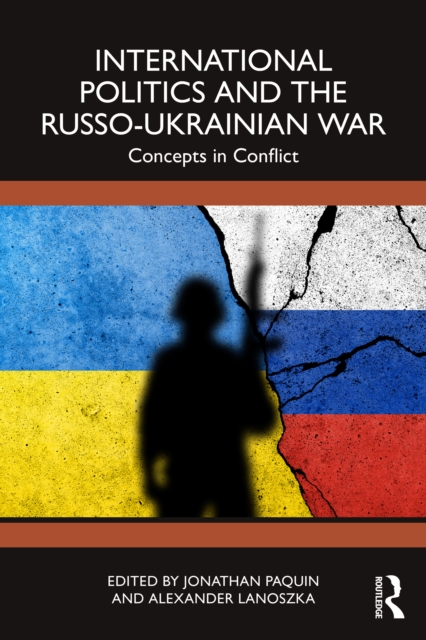
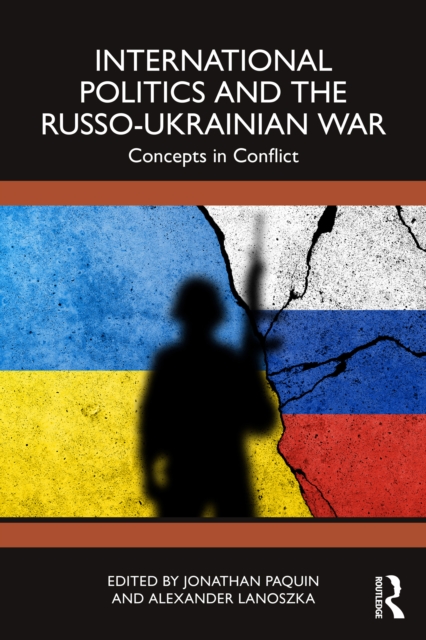
This book uses the Russian invasion of Ukraine as a compelling and dramatic case study to engage with ten key concepts of International Relations (IR).
This book uses the Russian invasion of Ukraine as a compelling and dramatic case study to engage with ten key concepts of International Relations (IR).
Health Care in the European Community (1975) analyses the finance and provision of health care in the nine member countries of the European Economic Community.
Economic Integration and Growth in Europe (1987) is an in-depth study of the economic effects of integration and an analysis of economic growth in the EEC.
Nursing in the European Community (1980) explains the content and implications of the EEC Nursing Directives in relation to the situation in each of the nine member states, and the context of directives for the other major health professions.
This book revisits the embrace of liberal capitalism in post-communist Eastern Europe to show that recent concerns about the rise of populist movements obfuscate the limits and the contradictions inherent in the concept.
Health Care in the European Community (1975) analyses the finance and provision of health care in the nine member countries of the European Economic Community.
This timely study considers the challenges of developing a foreign policy for a union of 27 states while taking national political processes into account.
This timely study considers the challenges of developing a foreign policy for a union of 27 states while taking national political processes into account.
This book tells the story of the negotiations between China, Japan, Taiwan, the Philippines, Vietnam and other Southeast Asian countries about the East and South China Sea disputes.
Only 25 years after the end of the Cold War, the Western-dominated global order is fading and our hopes that liberal democracy would spread and bring world peace are evaporating.
While Turkey in recent years has experienced an exhaustive accession process to join the EU -a long desired aim-, at the same time it has been increasing its involvement across the Middle East, leading to a debate over whether it is altering its focus from West to East.
This book tells the story of the negotiations between China, Japan, Taiwan, the Philippines, Vietnam and other Southeast Asian countries about the East and South China Sea disputes.
Only 25 years after the end of the Cold War, the Western-dominated global order is fading and our hopes that liberal democracy would spread and bring world peace are evaporating.
While Turkey in recent years has experienced an exhaustive accession process to join the EU -a long desired aim-, at the same time it has been increasing its involvement across the Middle East, leading to a debate over whether it is altering its focus from West to East.