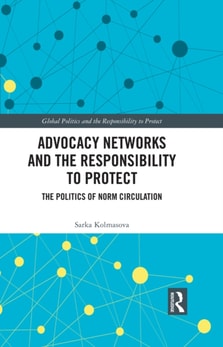
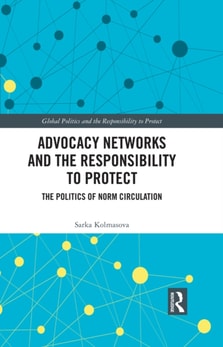
This book contributes to existing debates on the Responsibility to Protect (R2P) by demonstrating new advocacy strategies and the greater interconnectedness of various R2P proponents.
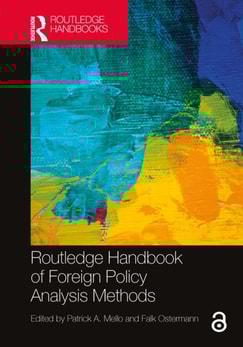
The disintegration and questioning of global governance structures and a re-orientation toward national politics combined with the spread of technological innovations such as big data, social media, and phenomena like fake news, populism, or questions of global health policies make it necessary for the introduction of new methods of inquiry and the adaptation of established methods in Foreign Policy Analysis (FPA).
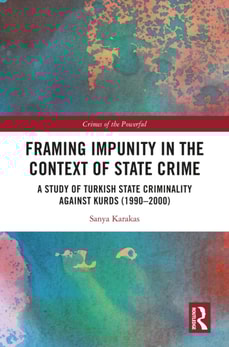
This book introduces a new conceptual framework for impunity within state crime theory and uses Turkish state criminality against Kurds between 1990 and 2000 as a case study.
This book contributes to existing debates on the Responsibility to Protect (R2P) by demonstrating new advocacy strategies and the greater interconnectedness of various R2P proponents.
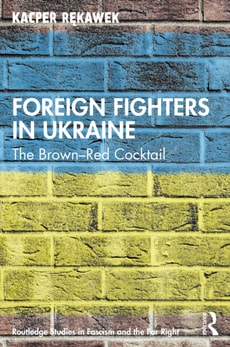
Foreign Fighters in Ukraine is the first comprehensive academic study taking an in-depth look at foreigners who have chosen to fight in the conflict in Ukraine.
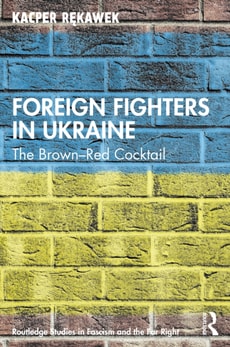
Foreign Fighters in Ukraine is the first comprehensive academic study taking an in-depth look at foreigners who have chosen to fight in the conflict in Ukraine.
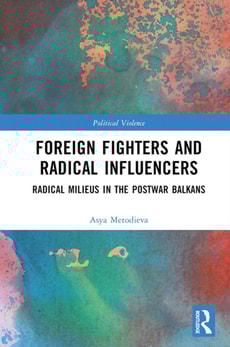
This book looks at Salafi influencers and foreign fighters in the Balkans to examine how the origins and dynamics of radical milieus are related to the legacy of the Bosnian War and the Kosovo War.
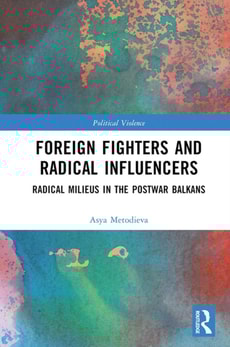
This book looks at Salafi influencers and foreign fighters in the Balkans to examine how the origins and dynamics of radical milieus are related to the legacy of the Bosnian War and the Kosovo War.
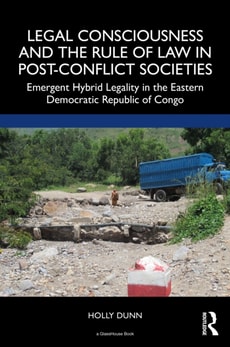
This book considers how legal reforms and awareness raising associated with building the rule of law have engaged the popular legal consciousness, producing contradictions that have in turn shaped the nature of the resultant legality.
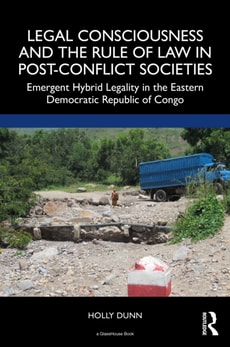
This book considers how legal reforms and awareness raising associated with building the rule of law have engaged the popular legal consciousness, producing contradictions that have in turn shaped the nature of the resultant legality.
The Soviet Union in the Third World (1981) analyses Soviet objectives in the developing world, the instruments of foreign policy employed and their success and failure, the implications of Soviet foreign policy for the international system in general and the US foreign and defence policies in particular.
The Russians in the Arctic (1958) examines Soviet attitudes towards the Arctic, its exploration and opening for exploitation, and the impact of Soviet rule and policies on the peoples native to the vast Siberian wilderness.
The Soviet Union and India (1989) examines the costs and benefits to the Soviet Union of its substantial economic and military involvement with India, and assesses how India fits into Soviet policies towards southwest Asia and China.
Turkism and the Soviets (1957) uses Turkish, Russian and Western sources to present a remarkable study of the Turkish world and its importance in international relations.
Soviet-East European Relations as a Problem for the West (1987) analyses the evolution of Eastern Europe both internally and in its relationship with the Soviet Union, the development of relations between the two superpowers, and the equilibrium between the two security systems.
The Soviet Union and Cuba (1987) examines the thesis that Cuba acted as an extension of Soviet foreign policy or surrogate of the USSR in the Third World.
The Soviet Union in World Politics, first published in 1980, looks at the change in direction of Soviet foreign policy away from world revolution in the 1970s.
Soviet Risk-Taking and Crisis Behavior, first published in 1982, examines the question: for what purposes and under what conditions were Soviet leaders prepared to take risks in international relations?
World Order in History (1996) argues that historians' ideas about world order have been influential in transforming nations' sense of themselves, and it pursues these arguments with particular reference to Russia and the Soviet Union and the Western world.
The Soviet Union and National Liberation Movements in the Third World (1988) is a systematic comparison of Soviet theory about, and actual behaviour toward, movements for national liberation in the Third World.
Soviet Foreign Policy Today (1991) is the culmination of almost 30 years of observations of Soviet foreign and domestic politics, written at the time of Gorbachev's great changes.
The Soviet World, first published in 1965, examines both the domestic society of the Soviet Union under Khrushchev and its foreign relations with the capitalist world.
The Soviet Union in the Third World (1981) analyses Soviet objectives in the developing world, the instruments of foreign policy employed and their success and failure, the implications of Soviet foreign policy for the international system in general and the US foreign and defence policies in particular.
The Russians in the Arctic (1958) examines Soviet attitudes towards the Arctic, its exploration and opening for exploitation, and the impact of Soviet rule and policies on the peoples native to the vast Siberian wilderness.
The Soviet Union and India (1989) examines the costs and benefits to the Soviet Union of its substantial economic and military involvement with India, and assesses how India fits into Soviet policies towards southwest Asia and China.
Turkism and the Soviets (1957) uses Turkish, Russian and Western sources to present a remarkable study of the Turkish world and its importance in international relations.