This comprehensive volume on teaching peace and war demonstrates that our choice of pedagogy, or the way we structure a curriculum, must be attentive to context.
This book brings together a diverse range of international voices from academia, policymaking and civil society to address the failure to connect historical dialogue with atrocity prevention discourse and provide insight into how conflict histories and historical memory act as dynamic forces, actively facilitating or deterring current and future conflict.
This book brings together a diverse range of international voices from academia, policymaking and civil society to address the failure to connect historical dialogue with atrocity prevention discourse and provide insight into how conflict histories and historical memory act as dynamic forces, actively facilitating or deterring current and future conflict.
UN Global Compacts is a concise introduction to the key concepts, issues, and actors in global migration governance and presents a comprehensive analysis of the New York Declaration for Refugees and Migrants, the Global Compact on Refugees, and the Global Compact for Migration.
This book introduces Root Narrative Theory, a new approach for narrative analysis, decoding moral politics, and for building respect and understanding in conditions of radical disagreement.
This book introduces Root Narrative Theory, a new approach for narrative analysis, decoding moral politics, and for building respect and understanding in conditions of radical disagreement.
Originally published in 1998, Ritual, Identity, and the Mayan Diaspora examines the lives and the continuing ritual traditions of the Mayas in the United States.
Originally published in 1998, Ritual, Identity, and the Mayan Diaspora examines the lives and the continuing ritual traditions of the Mayas in the United States.
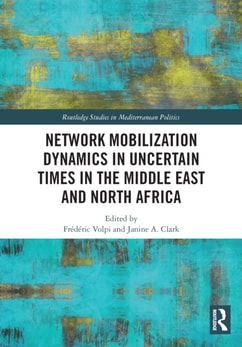
This comprehensive volume investigates the dynamics of mobilization and demobilization of social networks before, during, and after episodes of political turbulence in the Middle East region, focusing particularly on the 2011 Arab uprisings.
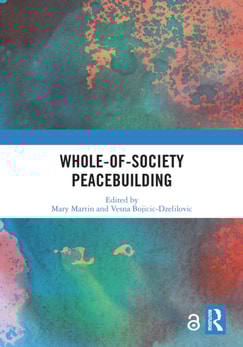
The complex problems of peace, security, and development in societies affected by conflict increasingly demand innovative ideas, and comprehensive strategies to tackle the diverse, simultaneous, and daunting challenges faced in trying to rebuild states and communities after war.
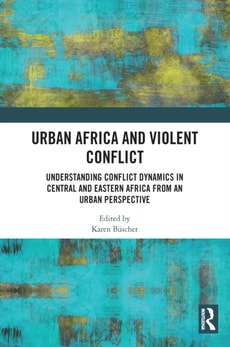
Urban centres are at the heart of the dynamics of war and peace, of stability and violence: as 'safe havens' for those seeking protection, as concentrations of public administrative and military apparatus, and as symbolic bases of state sovereignty and public authority.
This comprehensive volume investigates the dynamics of mobilization and demobilization of social networks before, during, and after episodes of political turbulence in the Middle East region, focusing particularly on the 2011 Arab uprisings.
The complex problems of peace, security, and development in societies affected by conflict increasingly demand innovative ideas, and comprehensive strategies to tackle the diverse, simultaneous, and daunting challenges faced in trying to rebuild states and communities after war.
Urban centres are at the heart of the dynamics of war and peace, of stability and violence: as 'safe havens' for those seeking protection, as concentrations of public administrative and military apparatus, and as symbolic bases of state sovereignty and public authority.
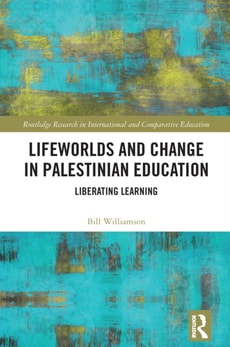
This timely volume critically assesses the state of education in Palestine, re-framing the discourse on Israel-Palestine through the lens of education and arguing for a paradigm shift in the way education in the region is studied, managed and experienced.
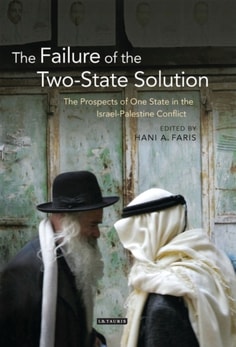
Diplomats, politicians and activists alike have long laboured under the assumption that a two-state solution is the only path to peace between the Israelis and the Palestinians.
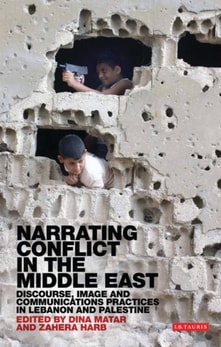
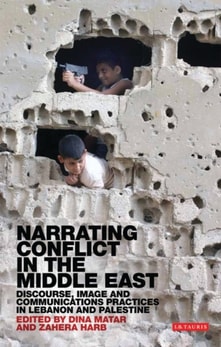
The term 'conflict' has often been used broadly and uncritically to talk about diverse situations ranging from street protests to war, though the many factors that give rise to any conflict and its continuation over a period of time vary greatly.
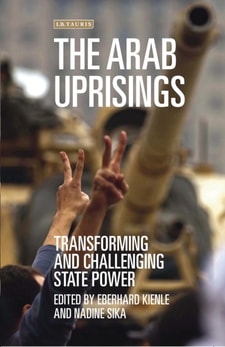
The uprisings which spread across the Middle East and North Africa in late 2010 and 2011 irrevocably altered the way in which the region is now perceived.
On 27th May 1977, a small demonstration against the MPLA, the ruling party of Angola led to the slaughter of thousands, if not tens of thousands, of people.
The term conflict has often been used broadly and uncritically to talk about diverse situations ranging from street protests to war, though the many factors that give rise to any conflict and its continuation over a period of time vary greatly.
Diplomats, politicians and activists alike have long laboured under the assumption that a two-state solution is the only path to peace between the Israelis and the Palestinians.
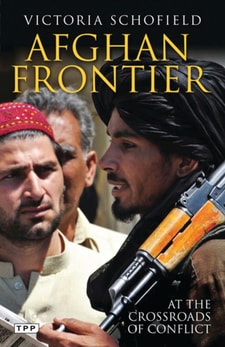
'The most dangerous place in the world' - Barack ObamaThe borderlands of Afghanistan and Pakistan have become the arena for a global conflict with consequences that defy prediction.
As we move deeper into the twenty-first century, power, lethal force, and injustice continue to explode violently into war, and the prospects for lasting peace look even bleaker.
In 1956, in the Brazilian state of Rondonia, a group of Wari' Indians had their first peaceful contact with whites: Protestant missionaries and officers from the national Indian Protection Service.
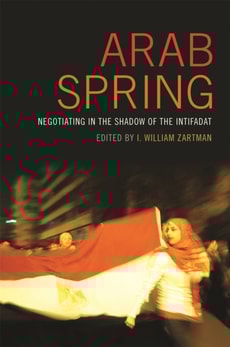
Beginning in January 2011, the Arab world exploded in a vibrant demand for dignity, liberty, and achievable purpose in life, rising up against an image and tradition of arrogant, corrupt, unresponsive authoritarian rule.
When the Tunisian and Egyptian uprisings erupted in Africa, in the first two months of the year 2011, with the chant, 'the people want to bring down the regime', there was hope all over the continent that these rebellions were part of a wider African Awakening.
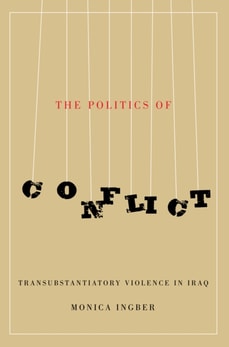
By looking at the problem of complicity in political violence from a social versus a legal perspective, The Politics of Conflict offers readers new insight into the ways in which violence operates.
By looking at the problem of complicity in political violence from a social versus a legal perspective, The Politics of Conflict offers readers new insight into the ways in which violence operates.
Islam and Bosnia re-examines the conflict of the 1990s from the perspectives of international relations, conflict resolution, and history as well as psychology, anthropology, and cultural studies.
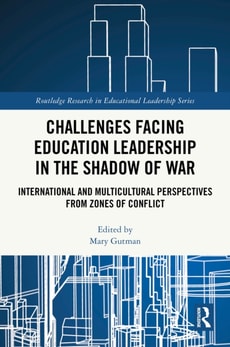
This incredibly timely volume offers insight into how educational leadership is managed, demonstrated, and enacted in zones of conflict, underlining the pivotal role educational leadership plays in peacebuilding and conflict-resolution efforts internationally.
Upon its original publication in 1993, Letters from Lexington reaffirmed Noam Chomsky's status as one of the most incisive critics of the American media.
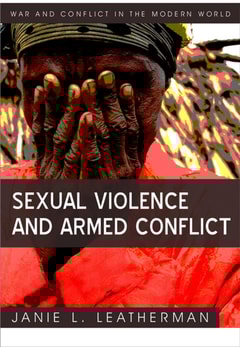
Every year, hundreds of thousands of women become victims of sexual violence in conflict zones around the world; in the Democratic Republic of Congo alone, approximately 1,100 rapes are reported each month.
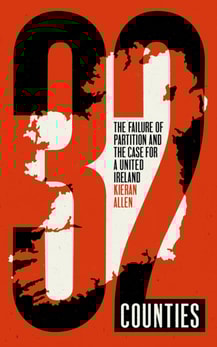
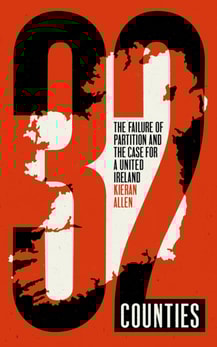
'This is Irish history seen anew, from below, bristling with practical lessons for working-class struggle today' - Eamonn McCannThe 32 counties of Ireland were divided through imperial terror and gerrymandering.
'This is Irish history seen anew, from below, bristling with practical lessons for working-class struggle today' - Eamonn McCannThe 32 counties of Ireland were divided through imperial terror and gerrymandering.
'Extremely convincing' - Electronic IntifadaFor decades we have spoken of the Israel-Palestine conflict, but what if our understanding of the issue has been wrong all along?