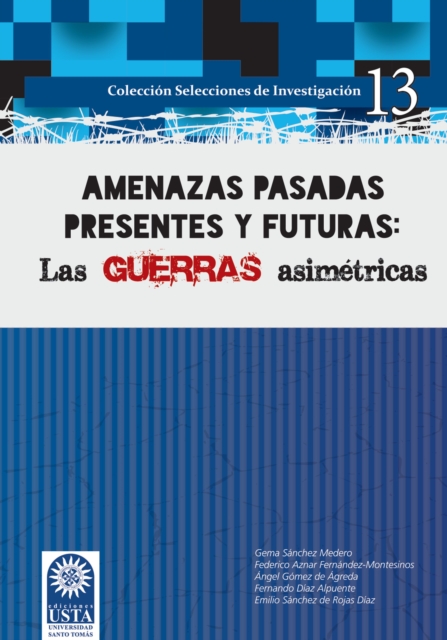
El objetivo de esta obra es analizar que es la guerra asimetrica y que formas adopta esta, y como pueden afectar a la seguridad de la sociedad internacional actual.
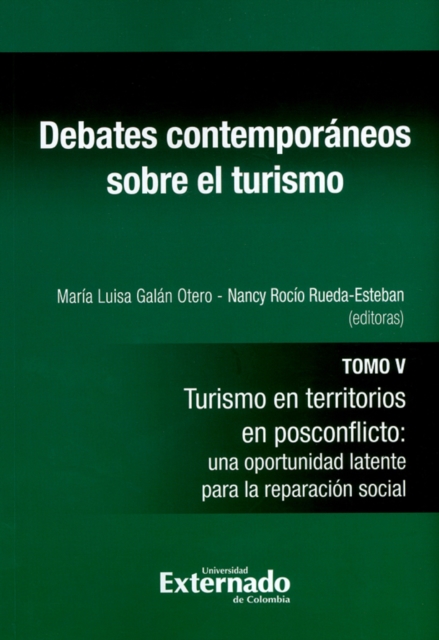
El tomo V de Debates Contemporáneos sobre el Turismo, Turismo en territorios en posconflicto: una oportunidad latente para la reparación social, tiene como objetivo reflexionar, por una parte, sobre el rol que podría representar el turismo en territorios que han sufrido la violencia del conflicto armado, y por otra, sobre el turismo como alternativa de desarrollo en lugares que han vivido conflictos y en los cuales a partir de estos se ha generado una estrategia de recuperación y consolidación.
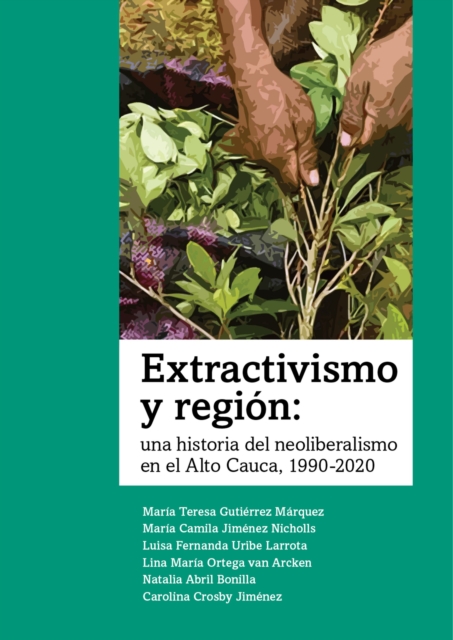
En este análisis sobre los procesos que han constituido la ficción teórica del Alto Cauca, una región que incluye municipios de los departamentos del Cauca (Santander de Quilichao, Buenos Aires y Suárez) y el Valle del Cauca (Jamundí), se trabajaron, a la vez, dimensiones como el desarrollo y la producción agrícola, la distribución desigual de la tierra, la gestión y el manejo ambiental, el multiculturalismo, los cultivos de uso ilícito, el narcotráfico, la presencia histórica de actores armados y la victimización sistemática de las comunidades de esta región, en cuanto procesos interdependientes y que se enmarcan en el neoliberalismo como política económica y racionalidad en la que lo legal e ilegal se entrecruzan continuamente.
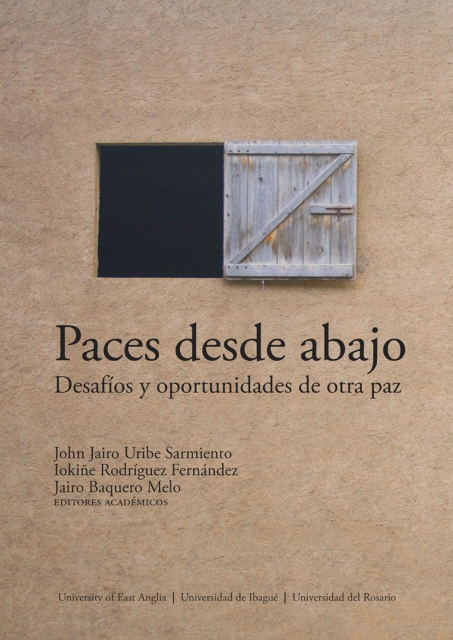
Las paces construidas desde los territorios son resultado de la interacción entre los procesos de reconocimiento/alineamiento estatal, de la presencia de los actores violentos y de las dinámicas de autonomía local.
Esta obra analiza los conflictos agrarios y las dinámicas territoriales que afectan al departamento del Huila y el sur del Tolima en relación al conflicto armado y en medio de la implementación del Acuerdo de Paz.
Esta obra analiza los conflictos agrarios y las dinámicas territoriales que afectan al departamento del Huila y el sur del Tolima en relación al conflicto armado y en medio de la implementación del Acuerdo de Paz.
Rutas del Conflicto, el medio periodístico que ha desarrollado el proyecto "Yo Sobreviví", busca facilitar el acceso a información confiable sobre el conflicto armado en Colombia.
Los textos que componen el libro que el lector tiene en sus manos exponen de manera cruda las intimidades en el ejercicio de la guerra, desde la sensibilidad extrema de un soldado convertido en periodista, quien vivió en carne propia la mutilación de uno de sus miembros inferiores al caer en un campo minado.
Este libro es el resultado de los articulos escritos por profesores y estudiantes que participaron en el seminario sobre Victimas realizado en 2017 en el marco del doctorado en Derecho de la Universidad del Rosario.
Las formas en las que las campesinas y campesinos de Montes de María han resistido a las violencias de la desigualdad y el despojo, aventurando otros futuros para el campo en el país, nos dice mucho sobre la historia contemporánea de Colombia.
Las experiencias de violencia que han marcado la memoria colectiva sobre la historia reciente de nuestro país, hacen parte de estrategias racionalizadas constituidas según los intereses de quienes las asumen, llegando en muchos casos incluso a convertirse en la marca personal o en el "modus operandi" de los grupos armados ilegales.
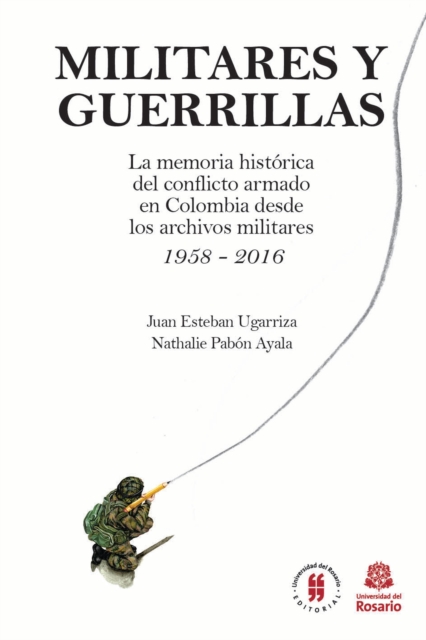
Este libro describe y analiza los contextos historicos y politicos en que se suscitaron el conflicto armado y los dialogos y procesos de paz que los gobiernos y las guerrillas colombianas establecieron durante la segunda mitad del siglo XX y comienzos del XXI; relata la manera en que los actores del conflicto buscaron posicionar, legitimar y validar sus concepciones, posturas y determinaciones frente a la confrontacion armada y frente a sus maneras de solucionarla; destaca la manera en que las dinamicas de la contienda belica afectaron el curso de los dialogos y negociaciones, y subraya la grave afectacion que padecieron millones de personas por efecto del conflicto.
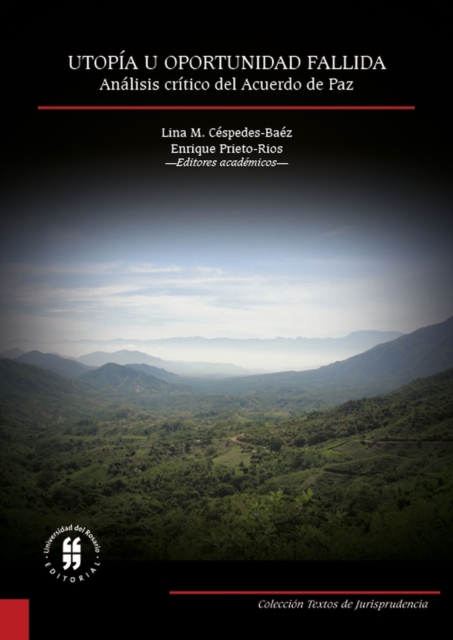
Este libro nació en una conversación entre los editores unas semanas antes del 2 de octubre del 2016, día en que el Acuerdo de Paz de La Habana fue sometido a plebiscito.
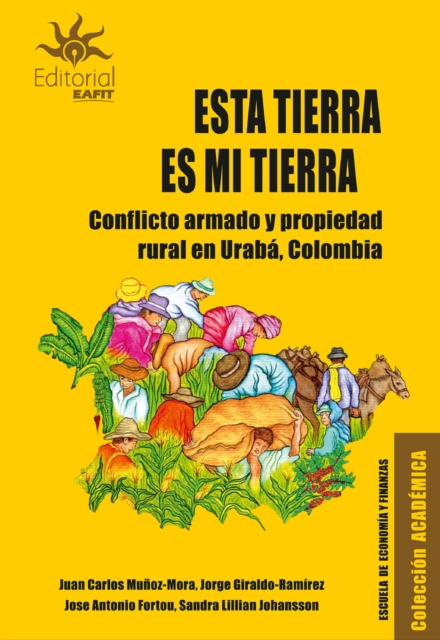
Esta tierra es mi tierra busca proveer una nueva leo- tura del conflicto armado en Uraba (Colombia), enfatizando en como los distintos periodos de disputa territorial afectaron las estructuras de propiedad rural desde mediados del siglo xx.
Uno de los 1492 estudiantes consultados para este libro, en diferentes rincones de Colombia, respondió que la historia del conflicto armado debe ser enseñada porque "no podemos escapar de nuestra realidad".
Este estudio, que examina detenidamente los vínculos que existen entre la crisis del Estado, la economía ilegal y la violencia extrema, espera contribuir a una lectura crítica del conflicto armado en Colombia (y con ello también a un debate sobre su verdad histórica), así como a la inclusión del paramilitarismo en los debates internacionales sobre seguridad y conflictos armados, pues es un hecho que el olvido o la manipulación de la historiografía son tan dramáticos como los crímenes de lesa humanidad que se cometen durante los conflictos.
Esta obra no se orienta a analizar el estado del conflicto armado colombiano, sino que parte de la clara conciencia de la realidad nacional en la que la población civil ha quedado cautiva en medio del conflicto y del fuego cruzado entre las partes, sometida al albur de los poderes ilegales que disputan con el poder estatal la organización de la vida cotidiana de la gente en muchas regiones del país.
El presente libro constituye un hito en la historia del trabajo mancomunado de los investigadores de las Facultades de Derecho de las Universidades de Zaragoza (España) y EAFIT (Colombia) y un paso importante en el esfuerzo común por ahondar en el análisis del conflicto armado que se vive en Colombia, las violaciones de los derechos humanos y el diseño de mecanismos de protección internacional, todo ello con el compromiso de profundizar en la línea de investigación y de aportar un conocimiento que llegue a los distintos a los distintos espacios académicos, instituciones y organizaciones relacionadas con la defensa de los derechos humanos y con la búsqueda de una negociación.
El desplazamiento forzado, sufrido por aproximadamente dos millones quinientos mil colombianos, es un flagelo pues atenta contra la convivencia pacífica del tejido social de Colombia, si se tiene en cuenta que este fenómeno es sinónimo de desolación y sufrimiento para las víctimas directas e indirectas que lo padecen.
El buen funcionamiento de la justicia presupone la posibilidad de que los jueces cuenten con el respaldo institucional necesario para tomar decisiones con independencia y con capacidad para hacerlas efectivas.
Esta obra no se orienta a analizar el estado del conflicto armado colombiano, sino que parte de la clara conciencia de la realidad nacional en la que la población civil ha quedado cautiva en medio del conflicto y del fuego cruzado entre las partes, sometida al albur de los poderes ilegales que disputan con el poder estatal la organización de la vida cotidiana de la gente en muchas regiones del país.
El desplazamiento forzado, sufrido por aproximadamente dos millones quinientos mil colombianos, es un flagelo pues atenta contra la convivencia pacífica del tejido social de Colombia, si se tiene en cuenta que este fenómeno es sinónimo de desolación y sufrimiento para las víctimas directas e indirectas que lo padecen.
El buen funcionamiento de la justicia presupone la posibilidad de que los jueces cuenten con el respaldo institucional necesario para tomar decisiones con independencia y con capacidad para hacerlas efectivas.
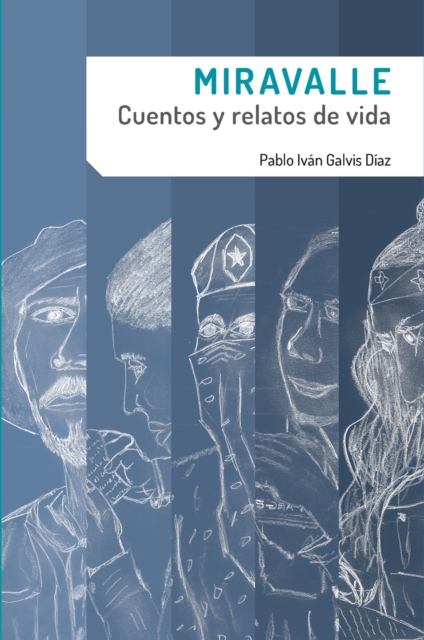
"Este libro recoge relatos de vida y cuentos cortos generados en una de las bibliotecas por la paz durante el proceso de reinserción de algunos excombatientes de las Farc, miembros de la Columna Móvil Teófilo Forero.
Frente a la creencia generalizada de que la violencia organizada experimenta un declive continuo a lo largo de la historia, este libro ofrece un análisis sociológico en profundidad que revela que, en realidad, va en aumento.
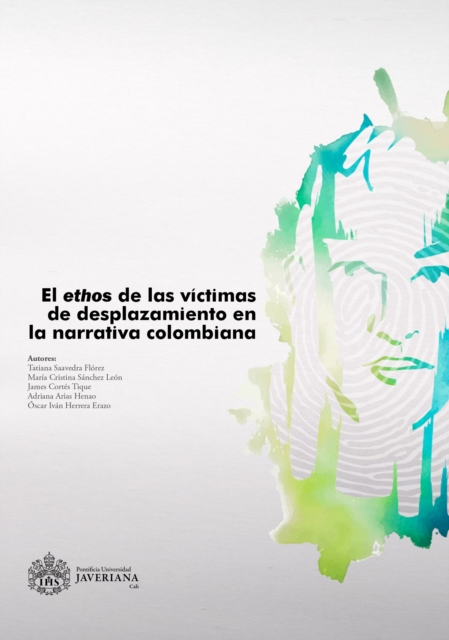
La investigación El ethos de las víctimas de desplazamiento en la narrativa colombiana es una confirmación de la importancia de la creación de ficciones que permitan nombrar lo innombrable a propósito del reconocimiento de la experiencia de desplazamiento como un quiebre, una desgarradura colectiva que nos reclama como sociedad.
Der heutige Nahe Osten ist das Ergebnis eines britisch-französischen Macht-kampfes, der mit dem Geheimabkommen der Diplomaten François Georges-Picot (Frankreich) und Mark Sykes (Groß-britannien) während des Ersten Weltkrieges 1916 begann.
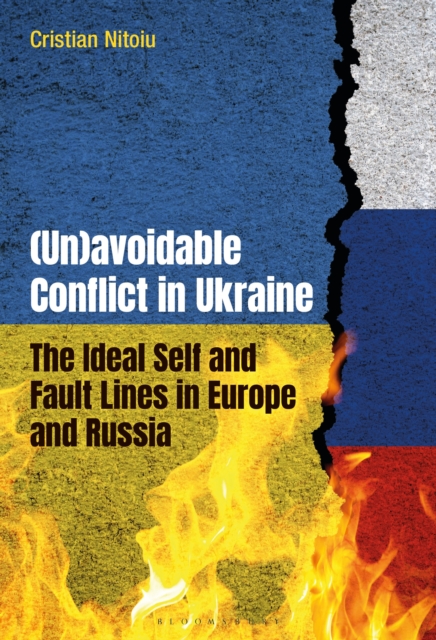
Taking a conceptual approach to European-Russian relations in the post-Cold War era, this book traces how each side's "e;ideal self"e; came into conflict with "e;fault lines"e; in international politics.
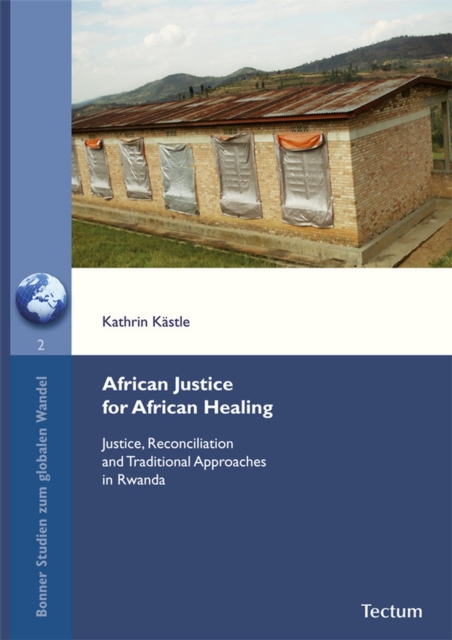
To cope with the legacy of the swiftest genocide in human history the largest government-driven reconciliation process worldwide has been taking place in Rwanda over the past years.