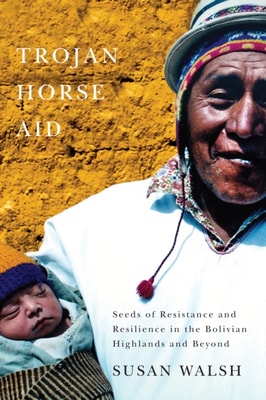
In a compelling first-hand account of development assistance gone awry, Susan Walsh recounts how national, international, and multilateral organizations failed the Jalq'a people in the Bolivian Andes during the early millennium.
From where we stand now, the election of 1976 can look like an alternate reality: southern white evangelicals united with African Americans, northern Catholics, and Jews in support of a Democratic presidential candidate; the Republican candidate, a social moderate whose wife proudly proclaimed her support for Roe v.
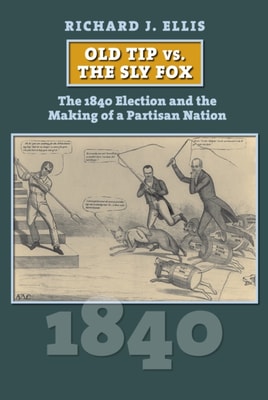
Usually remembered for its slogan Tippecanoe and Tyler too, the election of 1840 is also the first presidential election of which it might be truly said, Its the economy, stupid.
How organizations developed in history, how they operate, and how research on them has evolvedOrganizations are all around us: government agencies, multinational corporations, social-movement organizations, religious congregations, scientific bodies, sports teams, and more.
Usually remembered for its slogan Tippecanoe and Tyler too, the election of 1840 is also the first presidential election of which it might be truly said, Its the economy, stupid.
Focusing on NGOs that work in the areas of rural development, women, and children, the authors' goal is to shed light on the contributions of the sector in the spheres of social welfare, empowerment, service, and rural development.
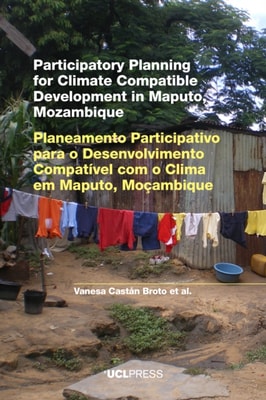
Participatory Planning for Climate Compatible Development in Maputo, Mozambique is a practitioners' handbook that builds upon the experience of a pilot project that was awarded the United Nations 'Lighthouse Activity' Award.
When it comes to spotting political abuses and covert conspiracies designed to strip Americans of their rights and freedoms, no one is more vigilant than #1 New York Times bestselling authors Dick Morris and Eileen McGann (Screwed!
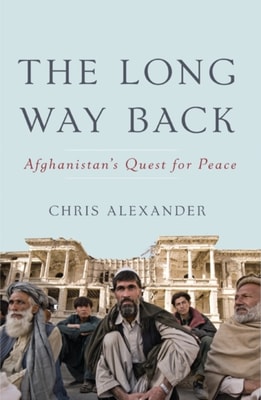
Christopher Alexander, Canadian’s former ambassador to Afghanistan, offers an inside look at Afghanistan recent history, and delivers a blueprint for transforming the troubled country into a viable nation.
Rethinking Private Authority examines the role of non-state actors in global environmental politics, arguing that a fuller understanding of their role requires a new way of conceptualizing private authority.
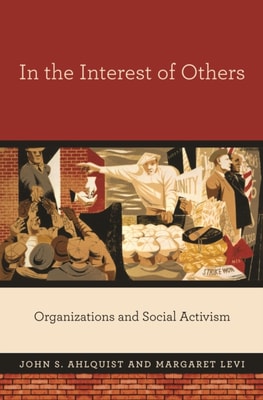
A groundbreaking study of labor unions that advances a new theory of organizational leadership and governanceIn the Interest of Others develops a new theory of organizational leadership and governance to explain why some organizations expand their scope of action in ways that do not benefit their members directly.
An examination of why NGOs often experience difficulty creating lasting change, with case studies of transnational conservation organizations in Southeast Asia and the Pacific.
Civil society organizations, nonprofits, national and international nongovernmental organizations, and a variety of formal and informal associations have coalesced into a world political force.
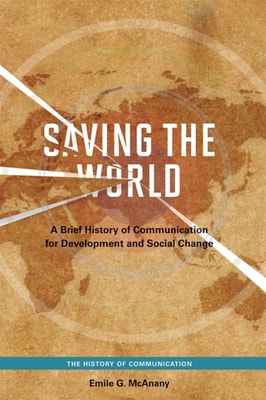
This far-reaching and long overdue chronicle of communication for development from a leading scholar in the field presents in-depth policy analyses to outline a vision for how communication technologies can impact social change and improve human lives.
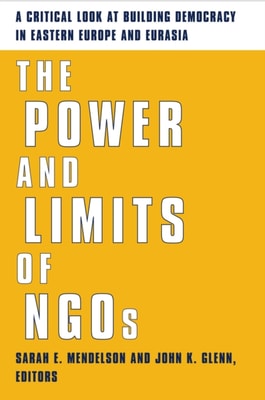
Since the end of the Cold War, a virtual army of nongovernmental organizations (NGOs) from the United States, Britain, Germany, and elsewhere in Europe have flocked to Central and Eastern Europe and Eurasia.
In Making the World Safe, historian Julia Irwin offers an insightful account of the American Red Cross, from its founding in 1881 by Clara Barton to its rise as the government's official voluntary aid agency.
In Making the World Safe, historian Julia Irwin offers an insightful account of the American Red Cross, from its founding in 1881 by Clara Barton to its rise as the government's official voluntary aid agency.
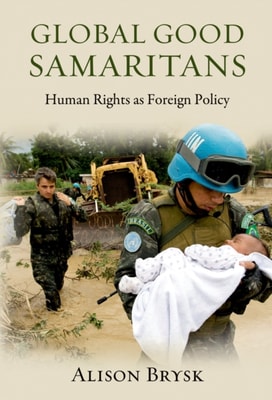
In a troubled world where millions die at the hands of their own governments and societies, some states risk their citizens' lives, considerable portions of their national budgets, and repercussions from opposing states to protect helpless foreigners.
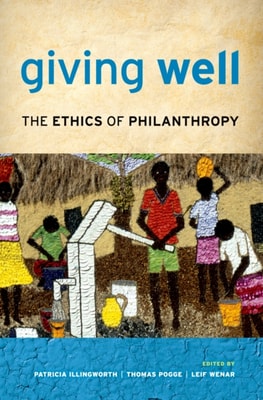
So long as large segments of humanity are suffering chronic poverty and are dying from treatable diseases, organized giving can save or enhance millions of lives.