Although seldom studied by biblical scholars as a discrete phenomenon, ritual violence is mentioned frequently in biblical texts, and includes ritual actions such as disfigurement of corpses, destruction or scattering of bones removed from a tomb, stoning and other forms of public execution, cursing, forced depilation, the legally-sanctioned imposition of physical defects on living persons, coerced potion-drinking, sacrificial burning of animals and humans, forced stripping and exposure of the genitalia, and mass eradication of populations.
Although seldom studied by biblical scholars as a discrete phenomenon, ritual violence is mentioned frequently in biblical texts, and includes ritual actions such as disfigurement of corpses, destruction or scattering of bones removed from a tomb, stoning and other forms of public execution, cursing, forced depilation, the legally-sanctioned imposition of physical defects on living persons, coerced potion-drinking, sacrificial burning of animals and humans, forced stripping and exposure of the genitalia, and mass eradication of populations.
The long-standing debate about whether the State of Israel can be both Jewish and democratic raises important questions about the rights of Palestinian Arabs.
The long-standing debate about whether the State of Israel can be both Jewish and democratic raises important questions about the rights of Palestinian Arabs.
Although international arbitration has emerged as a credible means of resolution of transnational disputes involving parties from diverse cultures, the effects of culture on the accuracy, efficiency, fairness, and legitimacy of international arbitration is a surprisingly neglected topic within the existing literature.
In the decade since the financial crisis of 2008, governments around the world have struggled to develop strategies to stabilize precarious markets, encourage growth, and combat mounting wealth inequality.
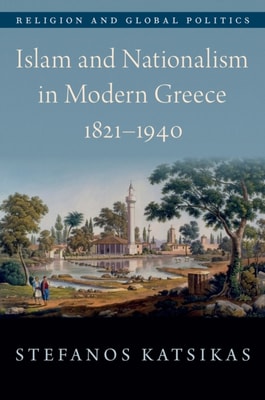
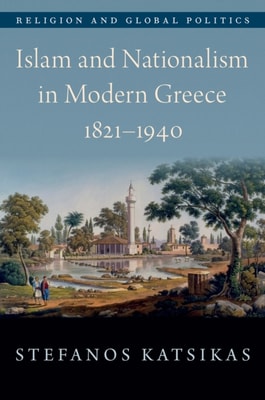
Drawing from a wide range of archival and secondary Greek, Bulgarian, Ottoman, and Turkish sources, Islam and Nationalism in Modern Greece, 1821-1940 explores the way in which the Muslim populations of Greece were ruled by state authorities from the time of Greece's political emancipation from the Ottoman Empire in the 1820s until the country's entrance into the Second World War, in October 1940.
Drawing from a wide range of archival and secondary Greek, Bulgarian, Ottoman, and Turkish sources, Islam and Nationalism in Modern Greece, 1821-1940 explores the way in which the Muslim populations of Greece were ruled by state authorities from the time of Greece's political emancipation from the Ottoman Empire in the 1820s until the country's entrance into the Second World War, in October 1940.
The Papacy and the Orthodox examines the centuries-long debate over the primacy and authority of the Bishop of Rome, especially in relation to the Christian East, and offers a comprehensive history of the debate and its underlying theological issues.
Article 38 of the Statute of the International Court of Justice defines "e;international law"e; to include not only "e;custom"e; and "e;convention"e; between States but also "e;the general principles of law recognized by civilized nations"e; within their municipal legal systems.
Article 38 of the Statute of the International Court of Justice defines "e;international law"e; to include not only "e;custom"e; and "e;convention"e; between States but also "e;the general principles of law recognized by civilized nations"e; within their municipal legal systems.
Since the beginning of modern Indology in the 19th century, the relationship between the early Indian religions of Buddhism, Jainism, and Hinduism has been predicated on a perceived dichotomy between two meta-historical identities: "e;the Brahmans"e; (purveyors of the ancient Vedic texts and associated ritual system) and the newer "e;non-Brahmanical"e; sramana movements from which the Buddhists and Jains emerged.
Since the beginning of modern Indology in the 19th century, the relationship between the early Indian religions of Buddhism, Jainism, and Hinduism has been predicated on a perceived dichotomy between two meta-historical identities: "e;the Brahmans"e; (purveyors of the ancient Vedic texts and associated ritual system) and the newer "e;non-Brahmanical"e; sramana movements from which the Buddhists and Jains emerged.
This book explores the rise of private arbitration in religious and other values-oriented communities, and it argues that secular societies should use secular legal frameworks to facilitate, enforce, and also regulate religious arbitration.
This book explores the rise of private arbitration in religious and other values-oriented communities, and it argues that secular societies should use secular legal frameworks to facilitate, enforce, and also regulate religious arbitration.
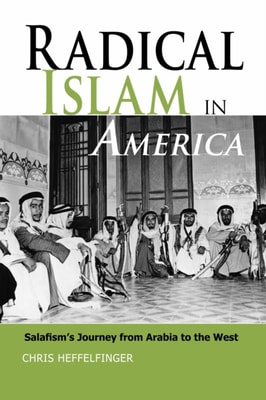
The radicalization of Muslims and Islamic institutions in the United States, Europe, and across the Islamic world has fostered a new generation of Islamist activists, many of them willing to use violence to achieve their aims.
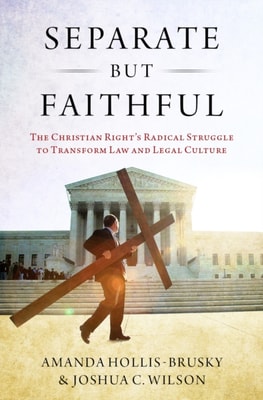
Fueled by grassroots activism and a growing collection of formal political organizations, the Christian Right became an enormously influential force in American law and politics in the 1980s and 90s.
Fueled by grassroots activism and a growing collection of formal political organizations, the Christian Right became an enormously influential force in American law and politics in the 1980s and 90s.
In a time of global infotainment, the crisis of modern journalism, the omnipresence of celebrity culture and reality TV, and the colonization of public discourse by media spectacle and entertainment, postmodern satiric media have emerged as prominent critical voices playing an unprecedented role at the heart of public debate.
In a time of global infotainment, the crisis of modern journalism, the omnipresence of celebrity culture and reality TV, and the colonization of public discourse by media spectacle and entertainment, postmodern satiric media have emerged as prominent critical voices playing an unprecedented role at the heart of public debate.
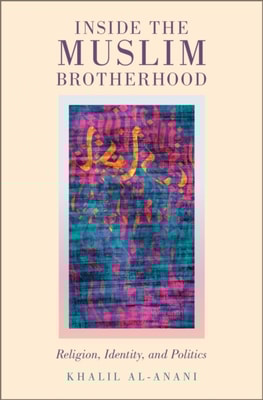
Over the past three decades, through rises and falls in power, regime repression and exclusion, the Egyptian Muslim Brotherhood has endured, proving more resilient than any other Islamist movement in the world.
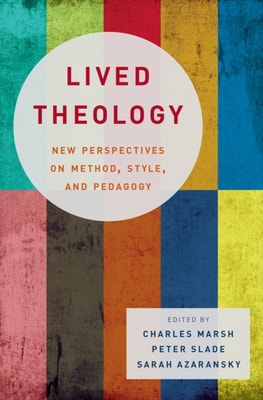
Lived Theology contains the work of an emerging generation of theologians and scholars who pursue research, teaching, and writing as a form of public responsibility motivated by the conviction that theological ideas aspire in their inner logic toward social expression.
Lived Theology contains the work of an emerging generation of theologians and scholars who pursue research, teaching, and writing as a form of public responsibility motivated by the conviction that theological ideas aspire in their inner logic toward social expression.
The Saudi "e;ulama"e; are known for their strong opposition to Shi'a theology, Shi'a communities in Saudi Arabia, and external Shi'a influences such as Iran and Hezbollah.
When Pakistan emerged as an independent state in 1947, it sought to provide a new homeland and safe harbor for South Asia's Muslims, the largest religious minority in the subcontinent at the time.
When Pakistan emerged as an independent state in 1947, it sought to provide a new homeland and safe harbor for South Asia's Muslims, the largest religious minority in the subcontinent at the time.
For much of its modern history, a combination of deep nervousness and profound lack of interest seemed to inhibit or even prevent regular political conversations in the Arab World.
For much of its modern history, a combination of deep nervousness and profound lack of interest seemed to inhibit or even prevent regular political conversations in the Arab World.