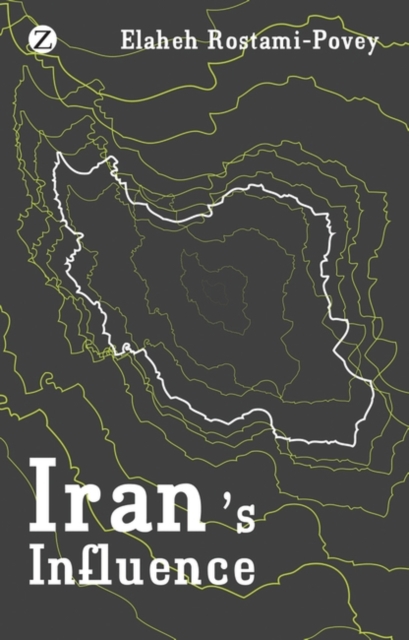
This study entails a theoretical reading of the Iranian modern history and follows an interdisciplinary agenda at the intersection of philosophy, psychoanalysis, economics, and politics and intends to offer a novel framework for the analysis of socio-economic development in Iran in the modern era.
This book explains the original meaning of the two religion clauses of the First Amendment: "e;Congress shall make no law [1] respecting an establishment of religion or [2] prohibiting the free exercise thereof.
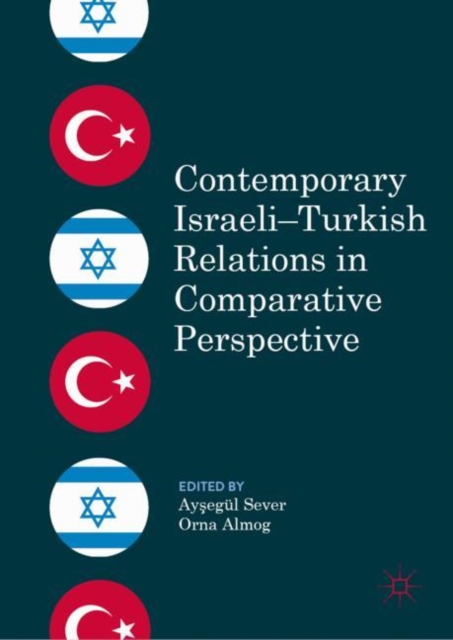
This edited volume explores the Israeli-Turkish relations in the 2000s from a multi-dimensional perspective providing a comparative analysis on the subjects of politics, ideology, civil society, identity, energy, and economic relations.
Using yet untapped resources from moral and political philosophy, this book seeks to answer the question of whether an all good God who is presumed to be all powerful is logically compatible with the degree and amount of moral and natural evil that exists in our world.
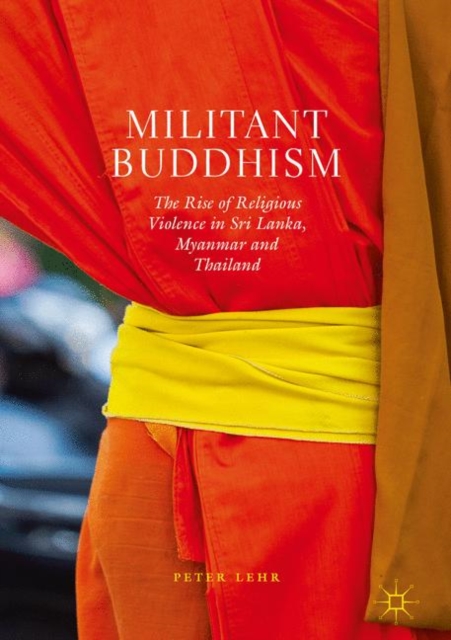
Against the backdrop of the ongoing Rohingya crisis, this book takes a close and detailed look at the rise of militant Buddhism in Sri Lanka, Burma and Thailand, and especially at the issues of 'why' and 'how' around it.
This edited volume discusses critically discursive claims about the theological foundations connecting Islam to certain manifestations of violent extremism.
To claim its culture, to demand its right to cultural diversity or to proclaim its belonging to a group of believers and to seize the flag of that belief in order to perpetrate actions that are then called "holy", to terrorize others by imposing their vision Of things and its law, are undoubtedly two of the most worrying features of the entry of our societies in the twenty-first century which is beginning.
A historicist interpretation of how the Christian religion, whose theology had notoriously been used to foster coloniality and explicitly nurture apartheid philosophy, had transformed itself into an intellectual force and an organisational bulwark of the struggle for freedom in South Africa.
EN ESTE LIBRO REVELADOR, INSPIRADOR Y PRÁCTICO, ESCRITO JUNTO CON SU BIÓGRAFO, AUSTEN IVEREIGH, EL LÍDER ESPIRITUAL POR EXCELENCIA EXPLICA POR QUÉ DEBEMOS—Y CÓMO PODEMOS—HACER EL MUNDO MÁS SEGURO, JUSTO Y SANO PARA TODOS.
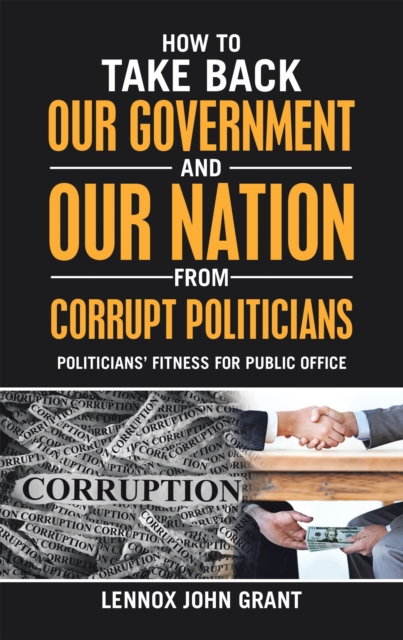
Many people the world over are vexed at the alleged blatant and unbridled corrupt practices engaged in by Politicians and other public officials in their respective governments.
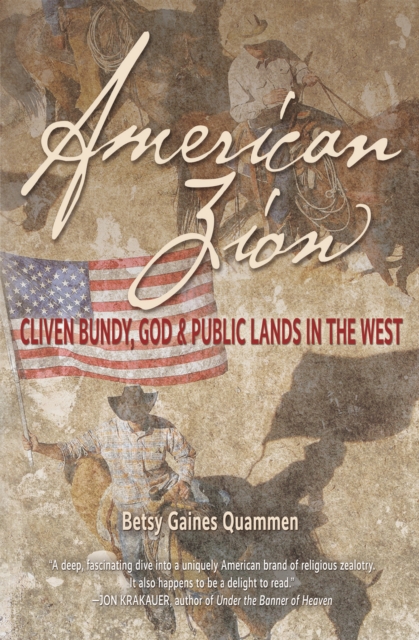
"e;A deep, fascinating dive into a uniquely American brand of religious zealotry that poses a grave threat to our national parks, wilderness areas, wildlife sanctuaries, and other public lands.
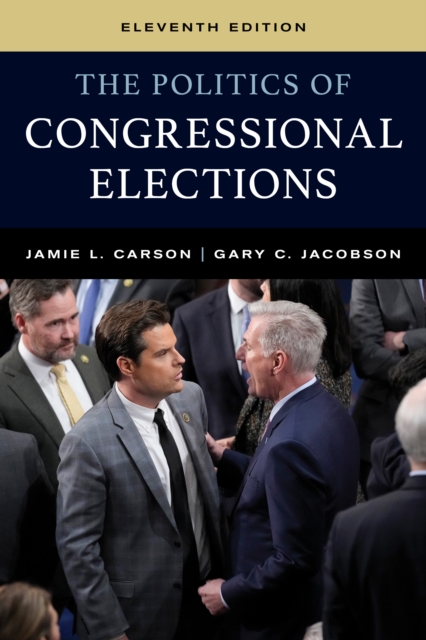
The Politics of Congressional Elections is the most authoritative and accessible introduction available on congressional elections and the electoral process.
The connection between faith, leadership and public life is a complex one as Preston Manning knows all too well from his years as a scout and trailblazer on Canada's political frontiers.
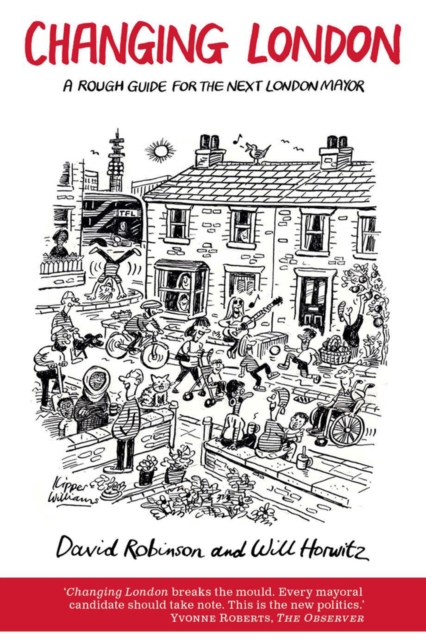
Changing London is a rough guide for the next mayor of London, capturing the radical but practical ideas of the people of London and embracing a pioneering and collaborative approach to politics.
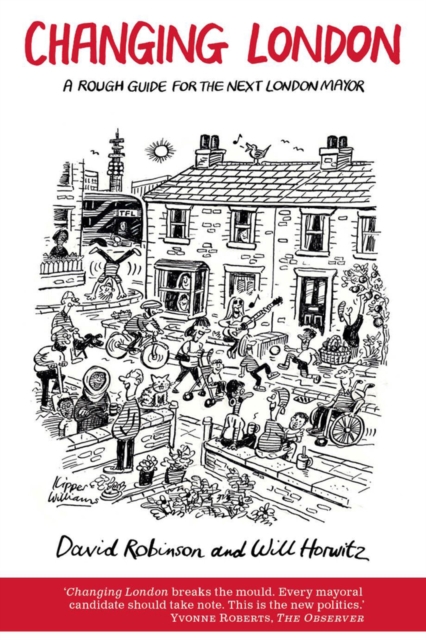
Changing London is a rough guide for the next mayor of London, capturing the radical but practical ideas of the people of London and embracing a pioneering and collaborative approach to politics.
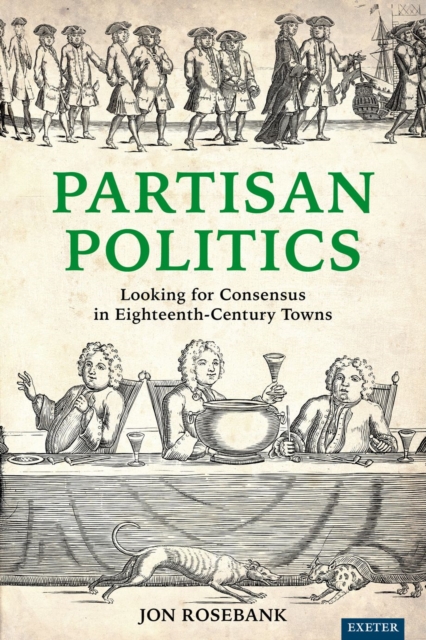
New understandings of the middle order and of the post-1688 English Parliament have shifted the focus from Westminster to the constituencies in the study of eighteenth-century politics.
New understandings of the middle order and of the post-1688 English Parliament have shifted the focus from Westminster to the constituencies in the study of eighteenth-century politics.
A priceless resource for everyone ready to make a difference, environmental activist Aidan Ricketts offers a step-by-step handbook for citizens eager to start or get involved in grass-roots movements and beyond.