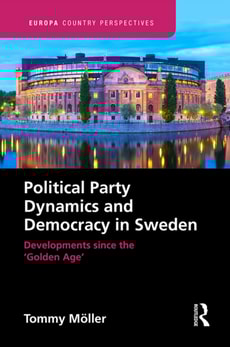
Sweden has often been described as a democratic forerunner, with one of the world's most stable party systems and with a well-functioning parliamentary system.
This book identifies and examines the political activities of selected religious actors, in both domestic and international contexts, in relation to democracy, human rights and civilisational interactions.
This book identifies and examines the political activities of selected religious actors, in both domestic and international contexts, in relation to democracy, human rights and civilisational interactions.
This book focuses on the themes of border violence; racial criminalization; competing hermeneutics of the sacred; and State-sponsored modes of desacralizing black and brown-bodied people, all in the context of the US-Mexico borderlands.
This book focuses on the themes of border violence; racial criminalization; competing hermeneutics of the sacred; and State-sponsored modes of desacralizing black and brown-bodied people, all in the context of the US-Mexico borderlands.
This book examines how the Russian Orthodox Church developed during the period of Gorbachev's rule in the Soviet Union, a period characterised by perestroika (reform) and glasnost (openness).
This book examines how the Russian Orthodox Church developed during the period of Gorbachev's rule in the Soviet Union, a period characterised by perestroika (reform) and glasnost (openness).
This comprehensive volume provides crucial insights from contemporary academics and practitioners into how positive interventions might be made into post-secular political spaces that have emerged in the wake of the economic, political, and social upheavals of the 2008 global financial crisis.
This comprehensive volume provides crucial insights from contemporary academics and practitioners into how positive interventions might be made into post-secular political spaces that have emerged in the wake of the economic, political, and social upheavals of the 2008 global financial crisis.
When the Ottoman Empire fell apart, colonial powers drew straight lines on the map to create a new region the Middle East made up of new countries filled with multiple religious sects and ethnicities.
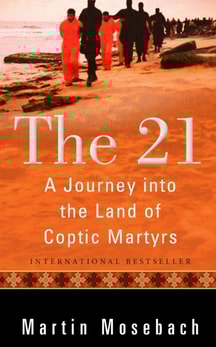
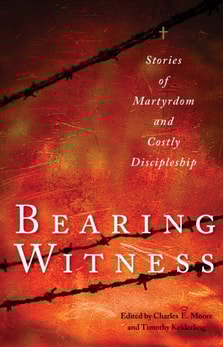
Behind a gruesome ISIS beheading video lies the untold story of the men in orange and the faith community that formed these unlikely modern-day saints and heroes.
Behind a gruesome ISIS beheading video lies the untold story of the men in orange and the faith community that formed these unlikely modern-day saints and heroes.
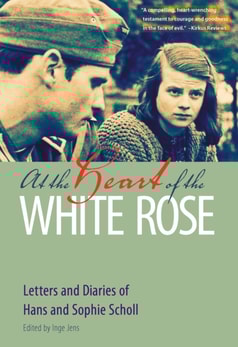
Personal letters and diaries provide an intimate view into the hearts and minds of a brother and sister who became martyrs in the anti-Nazi resistance during World War II.
From the First Gulf War to the present upheaval in Syria, the Kurdish question has been a crucial issue within the Middle East region and in international politics.
In the wake of the protests that spread throughout the Middle East and North Africa in late 2010 and early 2011, Islamist movements of varying political persuasions have risen to prominence.
In the last thirty years of his life, Leo Tolstoy developed a moral philosophy that embraced pacifism, vegetarianism, the renunciation of private property, and a refusal to comply with the state.
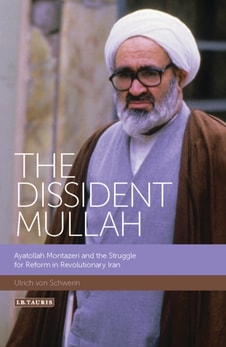
The Iranian cleric Ayatollah Montazeri (1922-2009) played an integral role in the founding of the Islamic Republic in the wake of the Iranian Revolution of 1978/9.
For many years Malise Ruthven has been at the forefront of discerning commentary on the Islamic world and its relations with the predominantly secularised and Christian societies of the West.
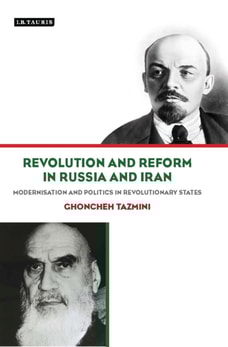
The Russian Revolutions of 1917 and the Iranian Revolution of 1979 are two examples of dramatic, sudden and extraordinary political upheaval that significantly altered the nature of the state and society in the modern age.