In defining Action Directe's mixture of millenarianism, workerism and nihilism, this study explains why the group turned to a strategy of murderous strikes and how a revolutionary political faction emerged in a stable western society.
Expanding the influence of auto/biography studies into cultural criminology, Radicalization: The Life Writings of Political Prisoners addresses the origins, processes and cultures of terrorist criminality and political resistance in a globalized world.
Expanding the influence of auto/biography studies into cultural criminology, Radicalization: The Life Writings of Political Prisoners addresses the origins, processes and cultures of terrorist criminality and political resistance in a globalized world.
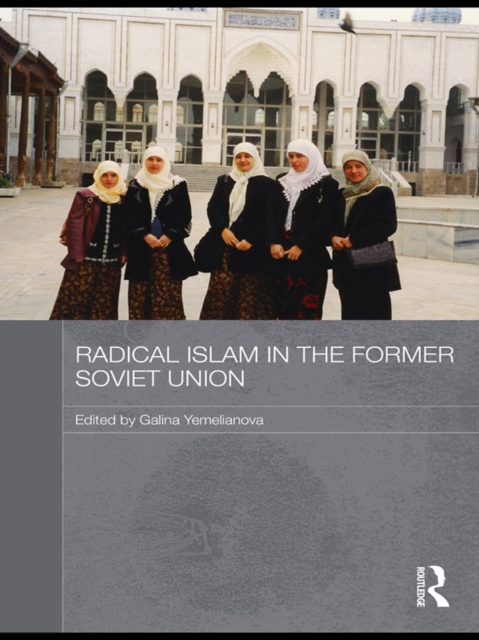
This is the first comprehensive and comparative examination of Islamic radicalisation in the Muslim regions of the former Soviet Union since the end of Communism.
This is the first comprehensive and comparative examination of Islamic radicalisation in the Muslim regions of the former Soviet Union since the end of Communism.
This book explains the origins and nature of terrorism in Pakistan and examines the social, political and economic factors that have contributed to the rise of political violence there.
This book explains the origins and nature of terrorism in Pakistan and examines the social, political and economic factors that have contributed to the rise of political violence there.
Terrorism is one of the primary concerns of the modern world and is increasingly becoming a major factor in all international relations in the 21st century.
Terrorism is one of the primary concerns of the modern world and is increasingly becoming a major factor in all international relations in the 21st century.
The central focus of this book is a small but vitally important group of movements that constitute a distinct 'fifth wave' of modern terrorism, here called the "e;New Tribalism"e;.
The central focus of this book is a small but vitally important group of movements that constitute a distinct 'fifth wave' of modern terrorism, here called the "e;New Tribalism"e;.
Synthesizing political, anthropological and psychological perspectives, this book addresses the everyday causes and appeal of long-term involvement in extreme political violence in urban Pakistan.
Synthesizing political, anthropological and psychological perspectives, this book addresses the everyday causes and appeal of long-term involvement in extreme political violence in urban Pakistan.
This book examines the trans-border connections between militant and criminal networks and the relationship between these and the states in which they operate.
This book examines the trans-border connections between militant and criminal networks and the relationship between these and the states in which they operate.
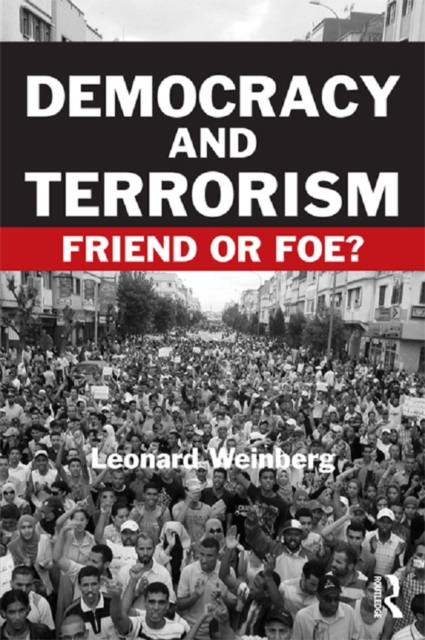
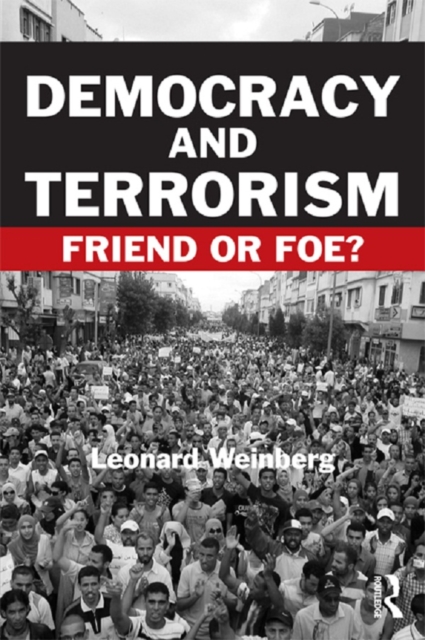
The Roots of Terrorism is the first volume in the new Democracy and Terrorism series, a three volume project intended to explore one of the most pressing issues of our time: how to reconcile the need to fight terrorism with our desire to protect and enhance democratic values.
This book examines the prospects and challenges of a global phase-out of highly enriched uranium-and the risks of this material otherwise being used by terrorists to make atom bombs.
This book examines the prospects and challenges of a global phase-out of highly enriched uranium-and the risks of this material otherwise being used by terrorists to make atom bombs.
About the SeriesThe goal of this new, unique Series is to offer readable, teachable "e;thinking frames"e; on today's social problems and social issues by leading scholars, all in short 60-page-or-shorter formats, and available for view on http://routledge.
About the SeriesThe goal of this new, unique Series is to offer readable, teachable "e;thinking frames"e; on today's social problems and social issues by leading scholars, all in short 60-page-or-shorter formats, and available for view on http://routledge.
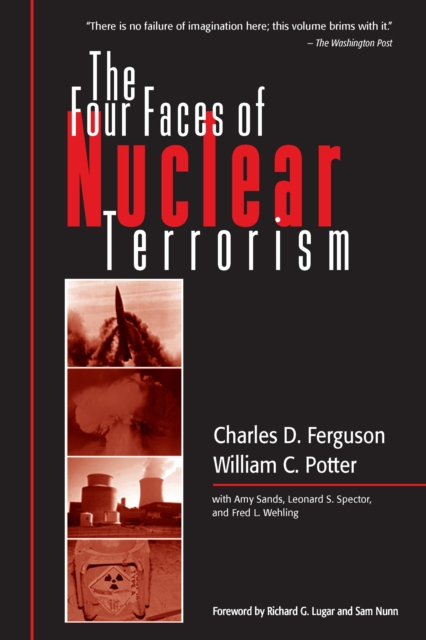
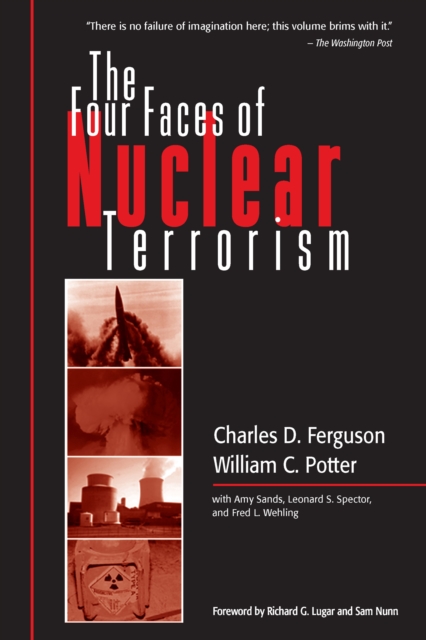
The Four Faces of Nuclear Terrorism, a new book from the Center for Nonproliferation Studies, assesses the motivations and capabilities of terrorist organizations to acquire and use nuclear weapons, to fabricate and and detonate crude nuclear explosives, to strike nuclear power plants and other nuclear facilities, and to build and employ radiological weapons or "e;dirty bombs.
The Four Faces of Nuclear Terrorism, a new book from the Center for Nonproliferation Studies, assesses the motivations and capabilities of terrorist organizations to acquire and use nuclear weapons, to fabricate and and detonate crude nuclear explosives, to strike nuclear power plants and other nuclear facilities, and to build and employ radiological weapons or "e;dirty bombs.
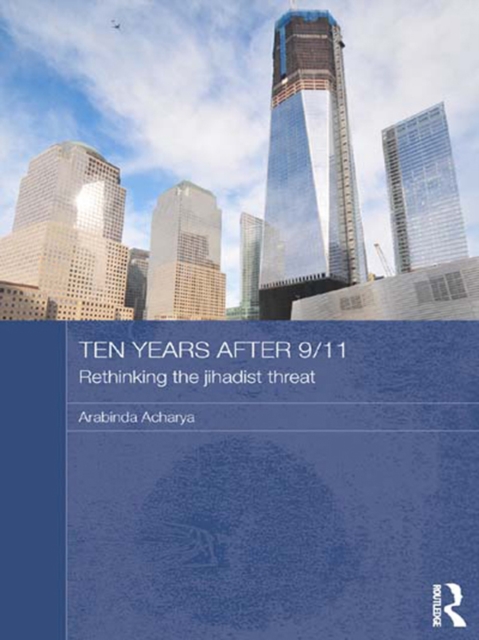
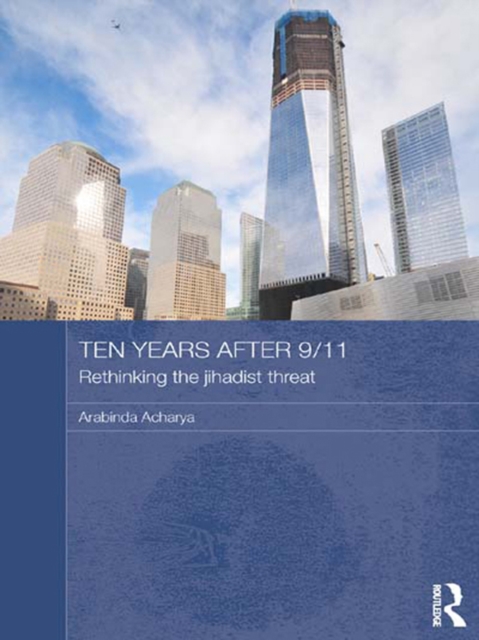
Ten years after the 9/11 attacks this book reassesses the effectiveness of the "e;War on Terror"e;, considers how al-Qaeda and other jihadist movements are faring, explores the impact of wider developments in the Islamic world such as the Arab Spring, and discusses whether all this suggests that a new approach to containing international, especially jihadist, terrorism is needed.
Ten years after the 9/11 attacks this book reassesses the effectiveness of the "e;War on Terror"e;, considers how al-Qaeda and other jihadist movements are faring, explores the impact of wider developments in the Islamic world such as the Arab Spring, and discusses whether all this suggests that a new approach to containing international, especially jihadist, terrorism is needed.
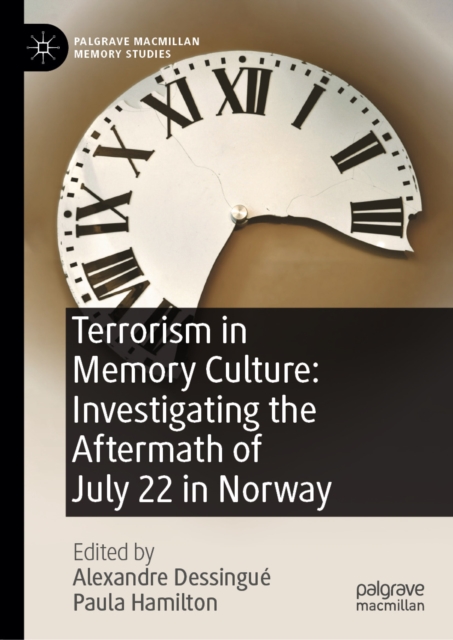
This edited collection examines the intersection between the developing fields of terrorism and cultural memory studies through a detailed study of the 2011 terrorist attack in Norway.
Drawing on original ethnographic field-research conducted primarily with former guerrilla insurgents in southern and central Sri Lanka, this book analyses the memories and narratives of people who have perpetrated political violence.
Drawing on original ethnographic field-research conducted primarily with former guerrilla insurgents in southern and central Sri Lanka, this book analyses the memories and narratives of people who have perpetrated political violence.
Critical thinkers like Foucault, Benjamin, Derrida and Zizek have long challenged the liberal separation of violence and politics by highlighting the implicit violence within political and economic structures.