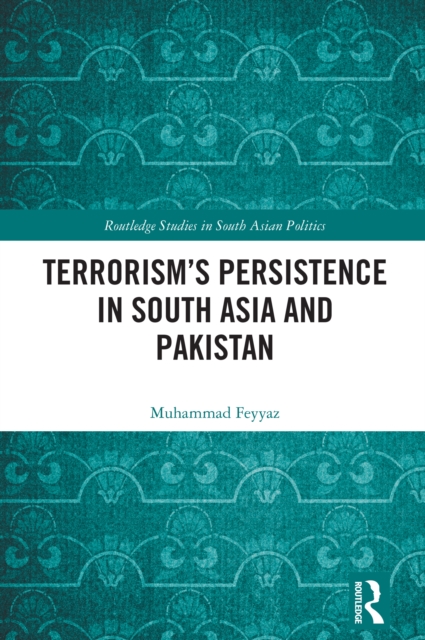
This single-volume work documents Pakistan's troubled history, which has led to current global insecurities and created a breeding ground for radical insurgency and terrorism.
This detailed analysis follows the rise and evolution of Hezbollah from an Islamic resistance movement to its role as a governing force in Lebanon, exploring the group's impact on the security and power dynamics in the Middle East.
This in-depth, historical analysis of terrorism investigates the major funding streams of terrorists, insurgents, guerrillas, warlords, militias, and criminal organizations throughout the world as well as the efforts of the international community to thwart their efforts.
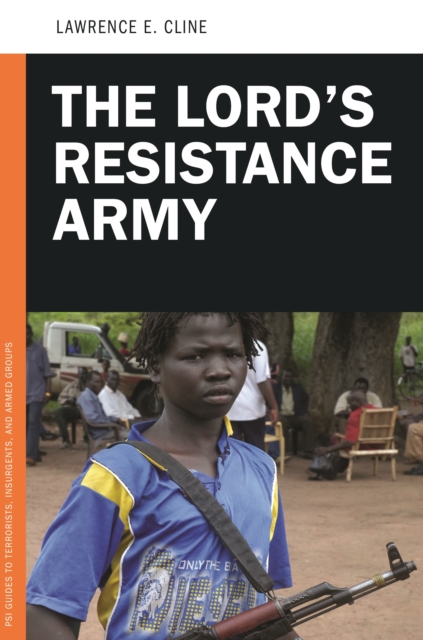
A noted expert provides a detailed, if chilling, examination of one of the most brutal and long-lived insurgent groups in Africa: Joseph Kony's Lord's Resistance Army.
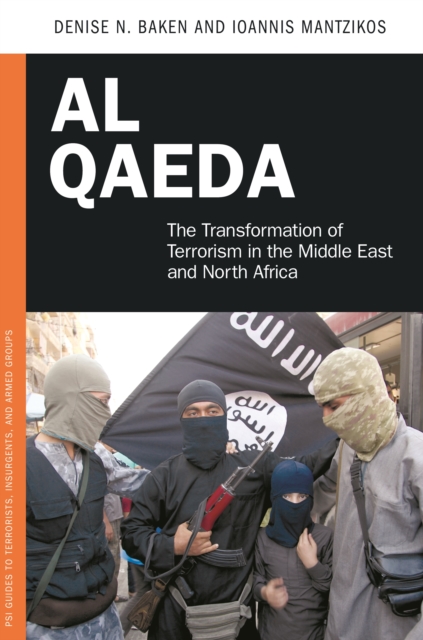
What threat does Al Qaeda pose to the United States as it continues to evolve in the wake of the Arab Spring, and what are the group's evolving strategies for growth and survival internationally?
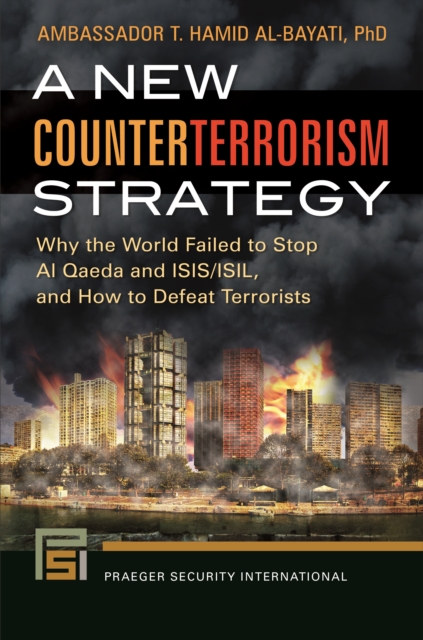
Why is the problem of terrorism-and the emergence of more extreme and more brutal terrorist groups-one that cannot be solved, even after decades of trying?
The coast of East Africa was considered a strategically invaluable region for the establishment of trading ports, both for Arab and Persian merchants, long prior to invasion and conquest by Europeans.
The unbanning of the African National Congress and the release of Nelson Mandela in February of 1990 cleared the way for negotiations toward a new, post-apartheid political order in South Africa.
This book describes the theory and practice of interreligious dialogue, education and action in Israel and Palestine in the context of the political peace process as well as the peace-building processes and programs, by drawing on personal experiences and encounters of more than twenty-five years.
The Power Paradox: A Toolkit for Analyzing Conflict and Extremism reveals how mainstream views of power restrict the conceptual insights needed to resolve conflict.
In 1874 and 1875, Brazilian peasants in the Northeastern region of Brazil rose up in rebellion, destroying the weights and measures of the new metric system implemented by the government from Rio de Janeiro.
In response to the events following September 11, a number of leading cultural studies and interpretive qualitative researchers write from their own experiences and hearts.
In A Pretext for War, acclaimed author James Bamford–whose classic book The Puzzle Palace first revealed the existence of the National Security Agency–draws on his unparalleled access to top intelligence sources to produce a devastating expos?
This book examines the twin phenomena of radicalization and de-radicalization in a global context of political extremism and violent conflict, focusing on the approaches of governments in how they use counterterrorism to respond to radicalization and extremism.
After more than a decade of fighting in Afghanistan, the United States and its allies are set to transfer security responsibilities to Afghan forces in 2014.
From chants and pamphlets to the Internet, terrorist propaganda can be deadly effectivePropaganda used by terrorists and armed groups might not always be the most sophisticated or nuanced form of rhetoric, but with the right mix of emotion and logic it can be extremely effective in motivating supporters and frightening opponents.
From chants and pamphlets to the Internet, terrorist propaganda can be deadly effectivePropaganda used by terrorists and armed groups might not always be the most sophisticated or nuanced form of rhetoric, but with the right mix of emotion and logic it can be extremely effective in motivating supporters and frightening opponents.
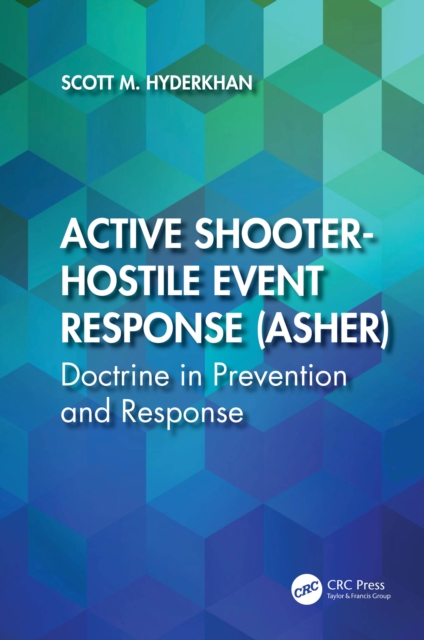
In an era where active shooter incidents and complex coordinated terror attacks continue to challenge our communities, Active Shooter-Hostile Event Response (ASHER) offers a definitive framework for a unified response.
In an era where active shooter incidents and complex coordinated terror attacks continue to challenge our communities, Active Shooter-Hostile Event Response (ASHER) offers a definitive framework for a unified response.