Die Sprüche des Seelenkalenders stehen in Beziehung zur Welt als Ganzes, der ich mit meinem Seelenleben angehöre und kraft meines Mitvollzugs zunehmend zur Offenbarung verhelfen kann.
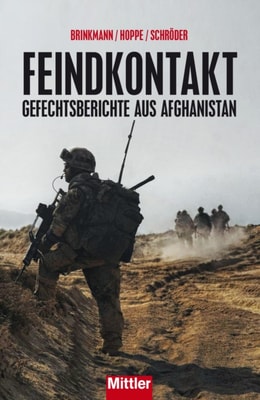
Der bundesdeutschen Öffentlichkeit wird mit einem Schlag klar, dass deutsche Soldaten fast 60 Jahre nach dem Ende des Zweiten Weltkrieges im Rahmen des ISAF-Einsatzes kämpfen.
Der Autor gilt als »Ikone des arabischen Frühlings« (Die Zeit) und ist im Dezember 2021 trotz internationaler Kritik vom ägyptischen Regime zu weiteren fünf Jahren Haft verurteilt worden.
Im Frühjahr 2020 erschien ein sozialethisches Dokument der orthodoxen Kirche, das für zentrale Lebensbereiche des heutigen Menschen Orientierung anbietet.
In an age where fake news, conspiracy theories, and outright lies by political and cultural leaders are commonplace, we may be becoming accustomed to lying, or worse, even immune to it.
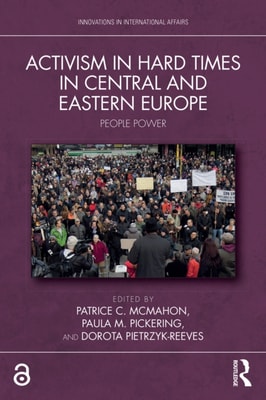
Activism in Hard Times in Central and Eastern Europe elevates the voices of civic activists from Central and Eastern Europe (CEE) and analyzes a wealth of information to generate new insights into how activism in the region manages to be vibrant, diverse, and consequential.
Die wissenschaftlichen Fakten bezüglich der Klimakrise, die Daten, die das Massenaussterben und die Erderwärmung beziffern, liegen auf dem Tisch, an dem führende Politikerinnen und Politiker regelmäßig zusammenkommen, um Klimaziele zu vereinbaren.
Wir befinden uns in London, wo Harold Pinter, dessen Werk zu einer ästhetischen Fluchtlinie wird, 1996 ein Stück mit kurdischen Exilanten aufführen wollte.
For the exhausted, the hurting, and the faithful, The After Party helps reframe our political identity away from the "e;what"e; of political positions and toward the "e;how"e; being centered on Jesus.
Isis ist eine mächtige Göttin der alten Ägypter, auch der Name eines bekannten Herstellers wichtiger Fertigteile im Kanalbau, doch beide haben es zunehmend schwerer, nicht mit einer mächtigen Organisation verwechselt zu werden, die für manchen Terrorakt verantwortlich zeichnet.
Alexander Leistner geht in seiner Studie der Frage nach, wie soziale Bewegungen als eine fragile Form sozialer Ordnung entstehen und sich stabilisieren.
Ob Occupy Wall Street, Stuttgart 21 oder der Arabische Frühling: Proteste sind historisch gewachsene Ausprägungen sozialer Auflehnungsbewegungen, die auf den gesellschaftlichen Wandel anpassungsfähig reagieren.
This collection spotlights the diachronic dimensions of the linguistic landscape, the importance of exploring temporal dissonances in historical events in order to better understand semiotic, political, and social transformations across different communities over the last century.
The tenth edition of Political Campaign Communication: Principles and Practices provides a clear and thorough survey of the strategic decisions vital to the success of contemporary political campaigns.
Mit der Neuauflage meines Buches "Zwischen Utopie und Tyrannei: Faszination und Schrecken des Kommunismus" biete ich Ihnen eine tiefgehende Analyse des Phänomens "Kommunismus, die Sie in die Geschichte und die Ideologien hinter einem der einflussreichsten politischen Bewegungen des 20.
This book explores the political trajectories of various countries in the Middle East and North Africa (MENA) region, tracing the shifts in party systems and regime transitions along a model-like trajectory that spans from revolutionism to authoritarianism and electoral Islamism.
+ Wichtiges Thema: mentale Gesundheit bei Kindern + Sachbuch ab 9 Jahren + Mit vielen Tipps und Übungen + Mit Serviceteil für Lehrer und Eltern + Unterstützung in schwierigen Situationen + Resilienz + Modern illustriert +So geht's dir besser!
Weiten Teilen Europas gelang es nach dem Ersten Weltkrieg nicht, den Zustand einer post-war-society zu überwinden, in der die öffentliche Teilhabe an Politik zuweilen mit einem hohen Maß an innenpolitischer Gewalt einherging.
Als im Juni 1990 zehn der meistgesuchten RAF-Terroristen in der damaligen DDR festgenommen wurden, war die Öffentlichkeit entsetzt: Das Stasi-Regime hatte westdeutschen Terroristen Unterschlupf gewährt, die seit mehr als einem Jahrzehnt von einem hochgerüsteten Fahndungsapparat vergeblich gesucht worden waren.
«Peanuts», Pleiten und «Nieten in Nadelstreifen»Firmenpleiten im großen Stil und der Absturz des Neuen Marktes führen uns drastisch vor Augen: In der Wirtschaft geht es keineswegs nur rational, berechenbar und kontrolliert zu.
This book uses Boko Haram as a case study to delve into the operations of extremist groups in sub-Saharan Africa, with a particular focus on the unique cultural contexts in which they function.