This three-volume set is a rich resource for readers in any discipline interested in understanding the global, regional, and domestic experiences of LGB people.
During the early 1990s the Department of Justice used its Voting Rights Act power to object to racially unfair redistricting laws to force states to maximize minority congressional districts.
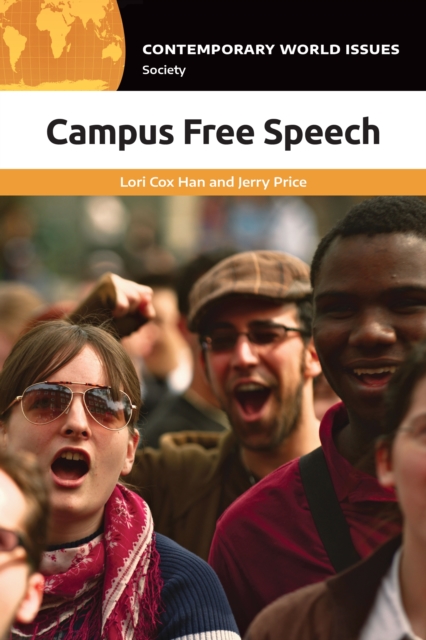
Comprehensive and accessible, this one-stop resource examines the history, development, and present state of free speech issues on college campuses, including a range of political perspectives and viewpoints.
This book offers the first empirical and holistic analysis of the design, implementation and effects of the new naturalisation regimes in the United Kingdom and Germany introduced in the 2000s.
Mississippi is a unique case study as a result of its long-standing defiance of federal civil rights legislation and the fact that nearly half its population was black and relegated to second-class citizenship.
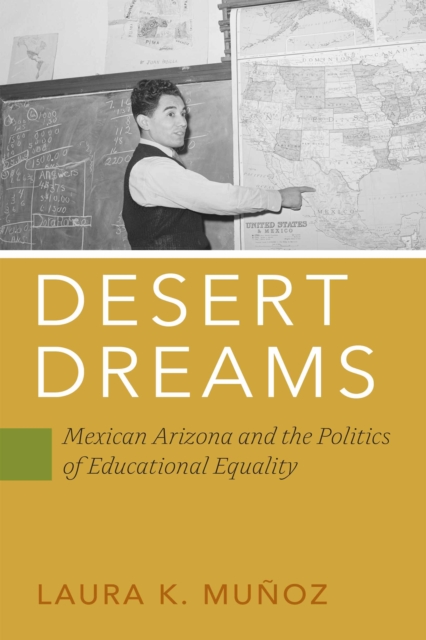
Desert Dreams chronicles seventy-five years of Mexican American efforts to attain educational equality in Arizona, from its territorial period in the nineteenth century to the post-World War II era.
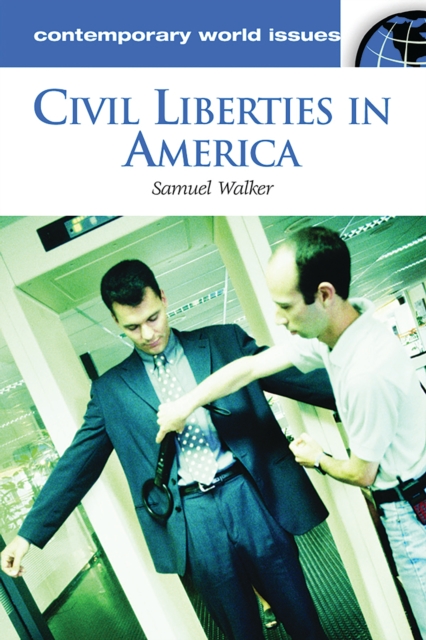
A concise, authoritative guide to civil liberties issues in American society, from freedom of speech and religious liberty to due process, equal protection, and privacy.
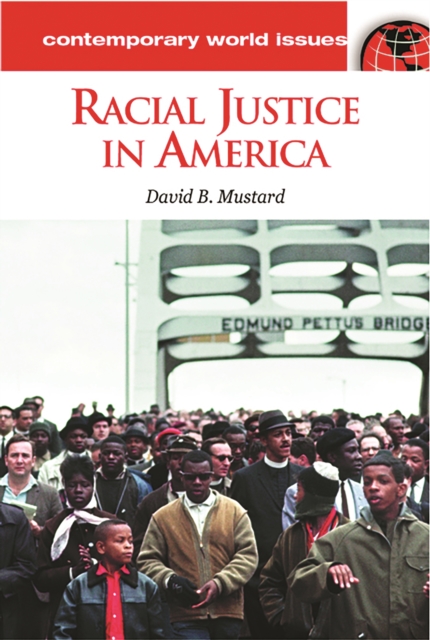
Racial Justice in America examines a volatile social issue that is always in the news, focusing on five critical areas: criminal justice, education, employment, living accommodations, and political participation.
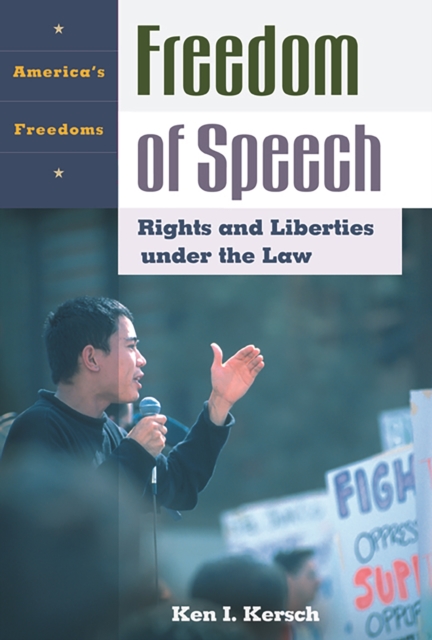
An innovative narrative approach combines history, politics, and legal doctrine to explore the origin and evolution of Americans' constitutional right to free speech.
This book offers the first empirical and holistic analysis of the design, implementation and effects of the new naturalisation regimes in the United Kingdom and Germany introduced in the 2000s.
The first comprehensive guide to women activists from every part of the world, illuminating the broad range of women's struggles to reform society from the 18th century to the present.
Examines voting trends and political representation in the United States today-with a special focus on debates over voting rights, voter fraud, and voter suppression-and election rules and regulations, including those related to gerrymandering, campaign fundraising, and other controversial subjects.
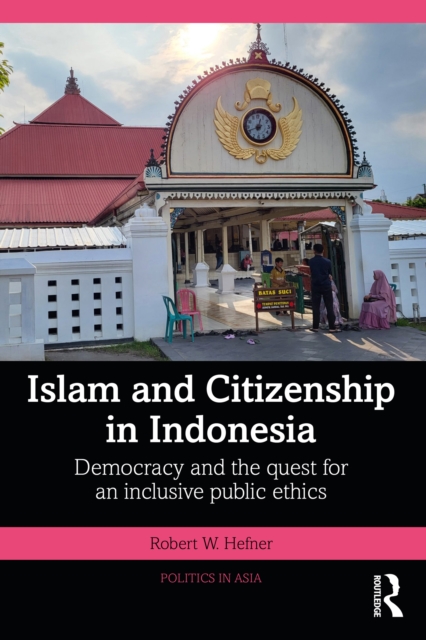
Islam and Citizenship in Indonesia examines the conditions facilitating democracy, women's rights, and inclusive citizenship in Indonesia, the most populous Muslim-majority country and the third largest democracy in the world.
Freedom in the World, the Freedom House flagship survey whose findings have been published annually since 1972, is the standard-setting comparative assessment of global political rights and civil liberties.
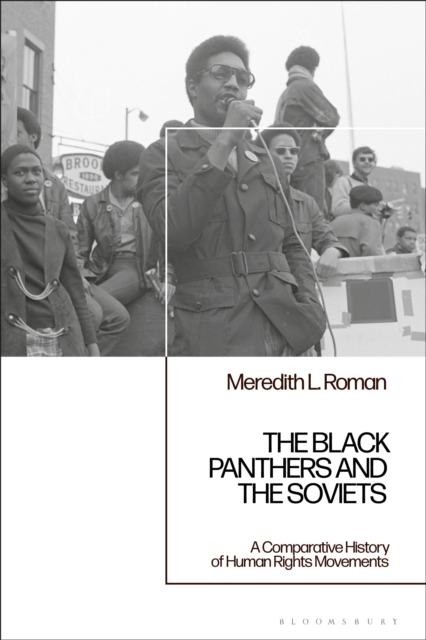
The contemporaneous movements for human rights that Soviet rights defenders and the Black Panthers waged during the 1960s are analysed in a comparative fashion here for the very first time.
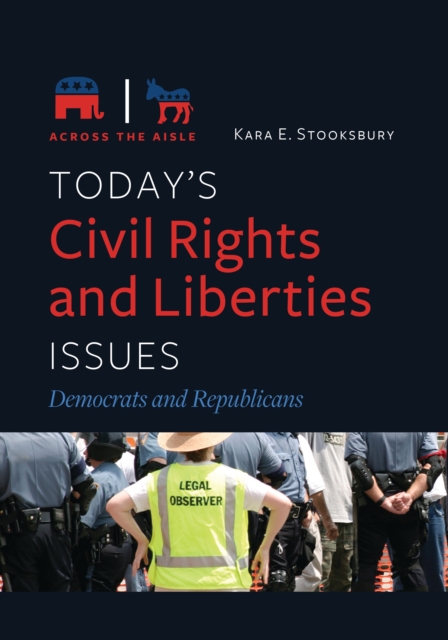
This indispensable, one-stop resource examines where Democrats and Republicans stand on current civil rights and liberties issues related to voting, free speech, abortion and reproductive rights, guns, and other hot button topics.
This book provides an honest look at the life and times of Civil Rights icon James Howard Meredith within the context of the America that created him and his generation.
Voting Rights: A Reference Handbook is a valuable resource for high school and college students curious about the history of voting rights in the United States.
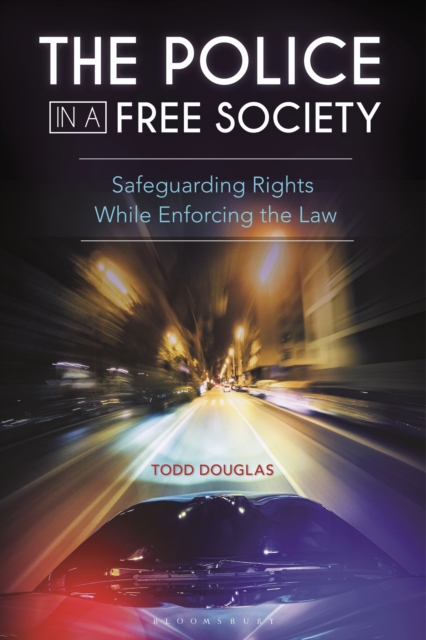
An unprecedented look at the evolution of American police, from filling their intended role as peacekeepers and guardians of citizen rights to calling themselves-and acting primarily as-"e;law enforcement officers.
This indispensable, one-stop resource examines where Democrats and Republicans stand on current civil rights and liberties issues related to voting, free speech, abortion and reproductive rights, guns, and other hot button topics.
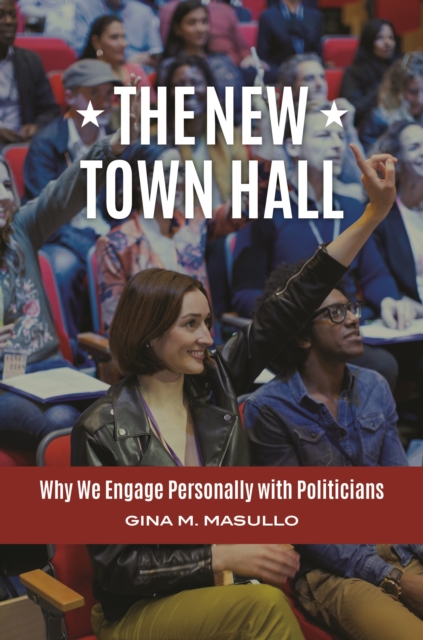
Drawing on in-depth interviews with a wide variety of people, this book answers two questions: How and why do we personally engage with elected officials online and offline?
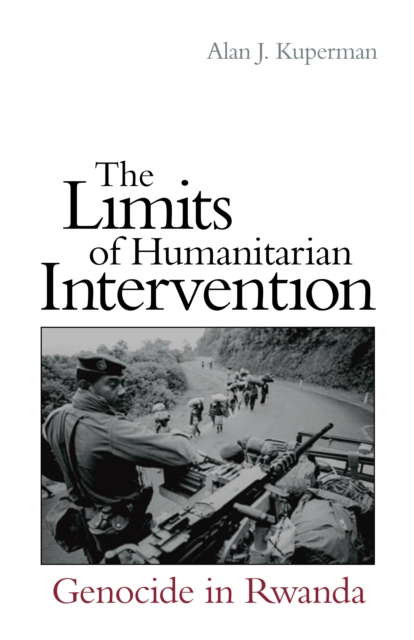
In 1994 genocide in Rwanda claimed the lives of at least 500,000 Tutsi some three-quarters of their population while UN peacekeepers were withdrawn and the rest of the world stood aside.
The communities, congregations, and faith-based coalitions that have been working for racial justice over the past fifty yearsHave progressive religious organizations been missing in action in recent struggles for racial justice?
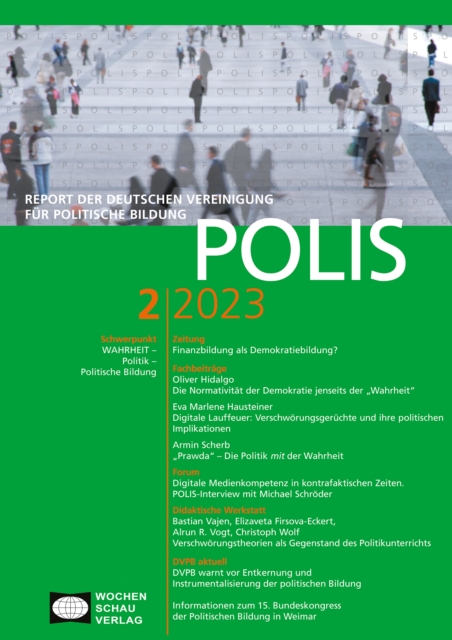
Mythen über vermeintliche Verschwörungen sind nicht neu, doch haben sie es im digitalen Medienzeitalter wesentlich leichter, sich nahezu unbegrenzt zu verbreiten, Meinungen zu prägen und damit das demokratische Miteinander zu beeinflussen.