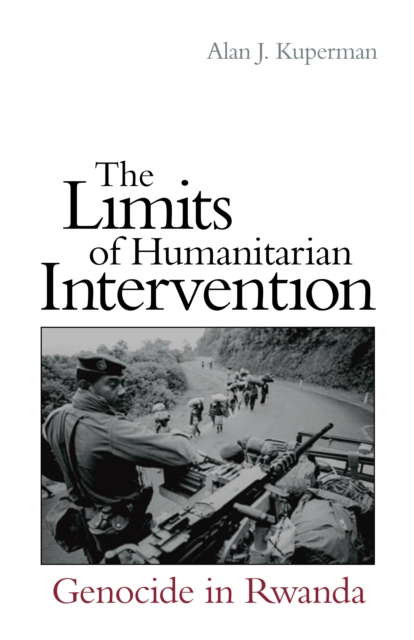
In 1994 genocide in Rwanda claimed the lives of at least 500,000 Tutsi some three-quarters of their population while UN peacekeepers were withdrawn and the rest of the world stood aside.
For the past decade, humanitarian actors have increasingly sought not only to assist people affected by conflicts and natural disasters, but also to protect them.
Of all the issues presented by China's ongoing economic and sociopolitical transformation, none may ultimately prove as consequential as the development of the Chinese legal system.
Many people are familiar with the story of Jewish support for the American civil rights movement, but this history has another side-one that has not been fully told until now.
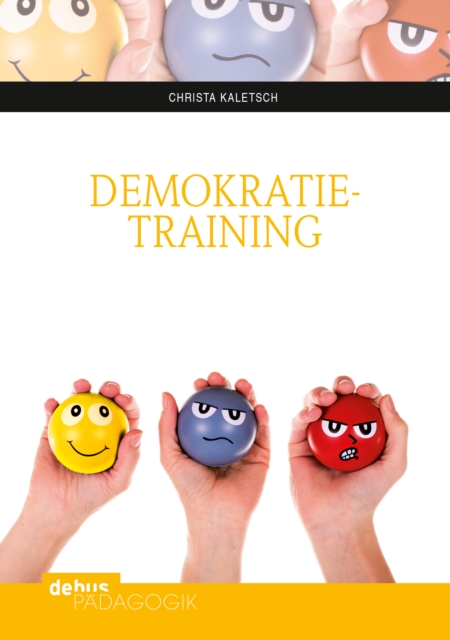
Partizipationsbereite Bürgerinnen und Bürger, die zum Beispiel wählen gehen oder sich an politischen Diskussionen beteiligen, sind zentral für die Demokratie.
Los trabajos reunidos en «Las crisis de la República», pertenecientes a la última etapa de la producción de Hannah Arendt, son genuinos ensayos de comprensión.
North Carolina had a big, unfortunate headstart on now-common attacks on democratic institutionsthe lessons learned as NC makes its way out of the chaos can benefit other states.
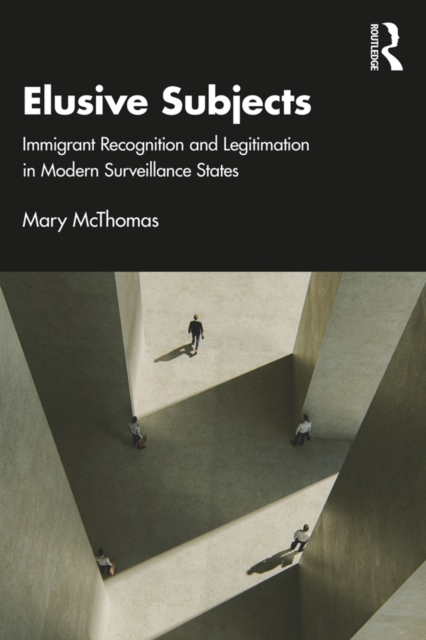
In this book, Mary McThomas examines how individuals can claim their own subjecthood while still evading the identity-forming powers of state surveillance.
In this book, Mary McThomas examines how individuals can claim their own subjecthood while still evading the identity-forming powers of state surveillance.
This book enriches the discourse around Global Citizenship Education in teacher education through the example of a teacher's experience in a Canada-China Sister School reciprocal learning landscape.
This book explores the rich history and depth of the educational field of social studies in the United States and examines its capacity to moderate modern-day anti-democratic forces through a commitment to civic education.
This book explores the rich history and depth of the educational field of social studies in the United States and examines its capacity to moderate modern-day anti-democratic forces through a commitment to civic education.
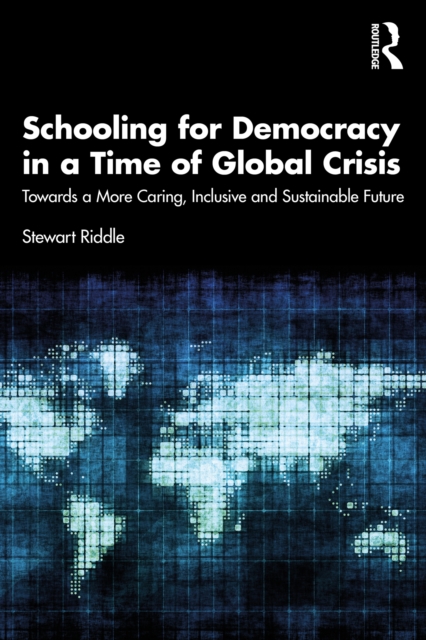
Schooling for Democracy in a Time of Global Crisis combines democratic theory with education practice to address the problem of a schooling that is for democracy, and points to the possibilities, limits and tensions of attempting to re-imagine education in more inclusive, collective and sustainable ways through democratic action.
Schooling for Democracy in a Time of Global Crisis combines democratic theory with education practice to address the problem of a schooling that is for democracy, and points to the possibilities, limits and tensions of attempting to re-imagine education in more inclusive, collective and sustainable ways through democratic action.
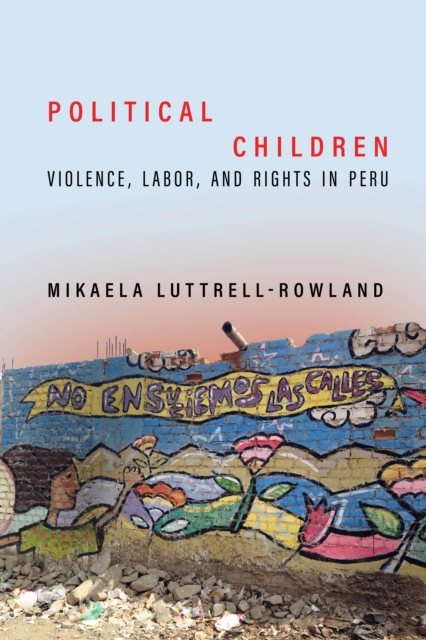
Grounded in extensive interviews, longitudinal methods, historical analysis, and archival work, Mikaela Luttrell-Rowland shows how two distinct groups of working young people in Lima, Peru have become political protagonists, resisting and critiquing the daily inequality and injustice they face.
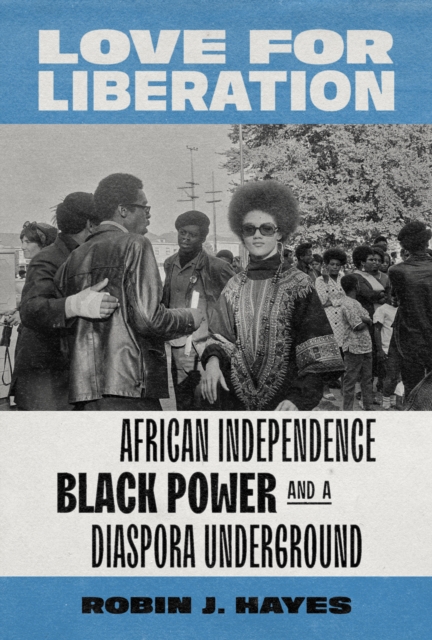
CHOICE Award for Outstanding Academic Title Illuminates how global solidarity defined African American politics and invigorated the African diasporaDuring the height of the Cold War, passionate idealists across the US and Africa came together to fight for Black self-determination and the antiracist remaking of society.
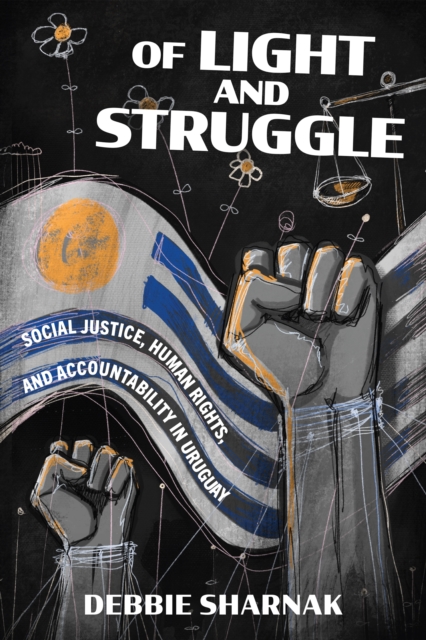
During the country's dictatorship from 1973 to 1985, Uruguayans suffered under crushing repression, which included the highest rate of political incarceration in the world.
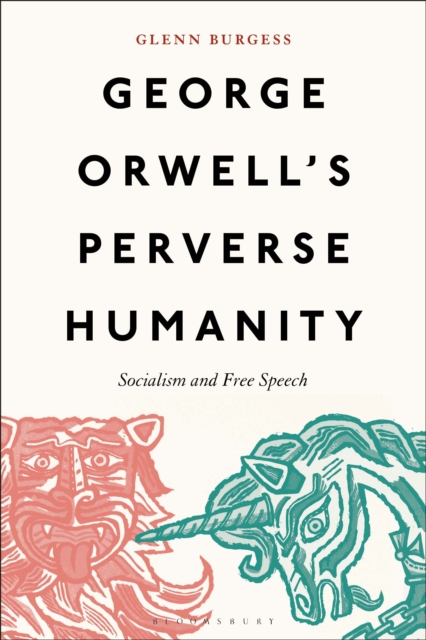
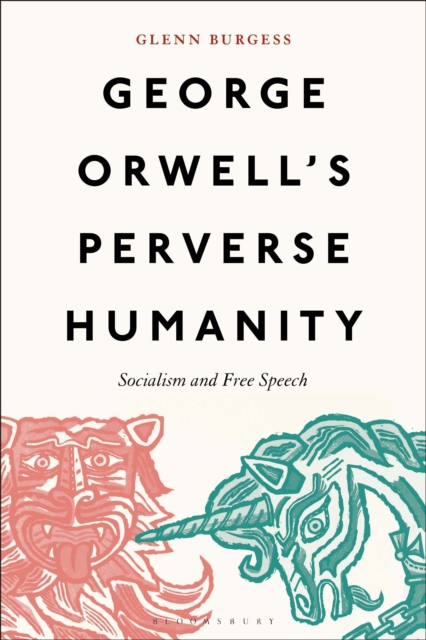
This is the first book to focus primarily on George Orwell's ideas about free speech and related matters - freedom of the press, the writer's freedom of expression, honesty and truthfulness - and, in particular, the ways in which they are linked to his political vision of socialism.
This is the first book to focus primarily on George Orwell's ideas about free speech and related matters - freedom of the press, the writer's freedom of expression, honesty and truthfulness - and, in particular, the ways in which they are linked to his political vision of socialism.
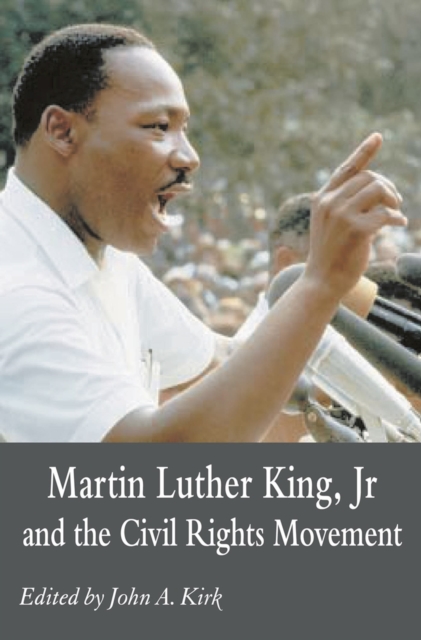
Drawing upon a wide-ranging selection of scholarship and popular history, this invaluable sourcebook throws a powerful light on the civil rights movement and its most influential leader.
During the country's dictatorship from 1973 to 1985, Uruguayans suffered under crushing repression, which included the highest rate of political incarceration in the world.
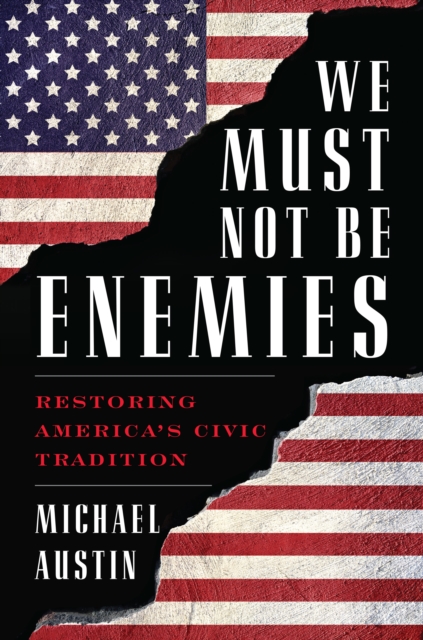
At the end of his first inaugural address, delivered to a nation deeply divided and on the brink of civil war, Abraham Lincoln concluded, "e;We are not enemies, but friends.
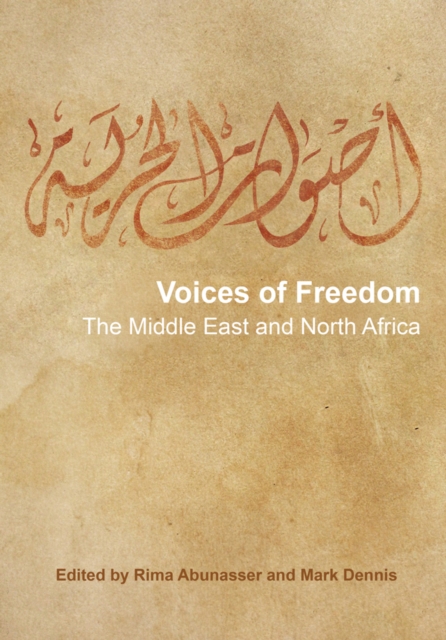
Voices of Freedom: The Middle East and North Africa showcases essays from activists, journalists, novelists, and scholars whose areas of expertise include free speech, peace and reconciliation, alterity-otherness, and Middle Eastern and North African religions and literatures.
This book analyses the key issues affecting same-sex families in Ireland and beyond today: marriage; formalised and non-formalised same-sex relationships outside of marriage; parental rights for same-sex couples with donor-conceived or surrogate-born children; and the protections afforded to same-sex families under European human rights law.
This book analyses the key issues affecting same-sex families in Ireland and beyond today: marriage; formalised and non-formalised same-sex relationships outside of marriage; parental rights for same-sex couples with donor-conceived or surrogate-born children; and the protections afforded to same-sex families under European human rights law.