This book brings together English translations of thirteen research papers published in recent years by Chinese historians, sociologists, and educators.
Partizipation in der Demokratie basiert auf Grundlagen, die zugleich Ziel und Selbstverständnis politischer Bildung sind: Subjektorientierung, freie Urteilsbildung, Handlungsfähigkeit, Kritikfähigkeit, Indoktrinationsverbot, Konflikt- und Kontroversitätsorientierung.
This book brings together English translations of thirteen research papers published in recent years by Chinese historians, sociologists, and educators.
In this sweeping international perspective on reparations, Time for Reparations makes the case that past state injusticebe it slavery or colonization, forced sterilization or widespread atrocitieshas enduring consequences that generate ongoing harm, which needs to be addressed as a matter of justice and equity.
Expanding the Frontiers of Civil Rights documents an important shift in state level policy to make clear that civil rights in Michigan embraced all people.
Many human rights advocates agree that conventional advocacy tools- reporting abuses to international tribunals or shaming the perpetrators of human rights violations-have proven ineffective.
We live in a time when the most appalling social injustices and unjust human sufferings no longer seem to generate the moral indignation and the political will needed both to combat them effectively and to create a more just and fair society.
In this follow-up to The Kingdom and the Glory and The Highest Poverty, Agamben investigates the roots of our moral concept of duty in the theory and practice of Christian liturgy.
Shifting power balances in the world are shaking the foundations of the liberal international order and revealing new fault lines at the intersection of human rights and international security.
For refugees and immigrants in the United States, expressions of citizenship and belonging emerge not only during the naturalization process but also during more informal, everyday activities in the community.
The 2016 presidential election campaign and its aftermath have underscored worrisome trends in the present state of our democracy: the extreme polarization of the electorate, the dismissal of people with opposing views, and the widespread acceptance and circulation of one-sided and factually erroneous information.
Many argue that "e;civic duty"e; explains why Americans engage in politics, but what does civic duty mean, and does it mean the same thing across communities?
Delineating an approach to activism at the intersection of queer rights, immigration rights, and social justice, Queer Migration Politics examines a series of "e;coalitional moments"e; in which contemporary activists discover and respond to the predominant rhetoric, imagery, and ideologies that signal a sense of national identity.
The term "e;community organizer"e; was deployed repeatedly against Barack Obama during the 2008 presidential campaign as a way to paint him as an inexperienced politician unfit for the presidency.
How American conflicts about religion have always symbolized our foundational political values When Americans fight about “religion,” we are also fighting about our conflicting identities, interests, and commitments.
An urgent and timely story of the contentious politics of incorporating environmental justice into global climate change policy Although the science of climate change is clear, policy decisions about how to respond to its effects remain contentious.
A compelling argument that the Internet of things threatens human rights and security The Internet has leapt from human-facing display screens into the material objects all around us.
A stunningly original look at the forgotten Jewish political roots of contemporary international human rights, told through the moving stories of five key activists The year 2018 marks the seventieth anniversary of two momentous events in twentieth-century history: the birth of the State of Israel and the creation of the Universal Declaration of Human Rights.
From a distinguished historian, a detailed and compelling examination of how the early Republic struggled with the idea that “all men are created equal” How did Americans in the generations following the Declaration of Independence translate its lofty ideals into practice?
Why we cannot truly implement human rights unless we also recognize human responsibilities When we debate questions in international law, politics, and justice, we often use the language of rights—and far less often the language of responsibilities.
A compelling set of lectures on political obligation that contributes to ongoing debates in political theory and intellectual history This stimulating collection of lectures by the late Judith Shklar on political obligation is paired with a scholarly introduction that offers an overview of her life, illuminates the connections among her teaching, research, and publications, and explains why her lectures still resonate with us and contribute to current debates in political theory and intellectual history.
While the number of federally recognized Native nations in the United States are increasing, the population figures for existing tribal nations are declining.
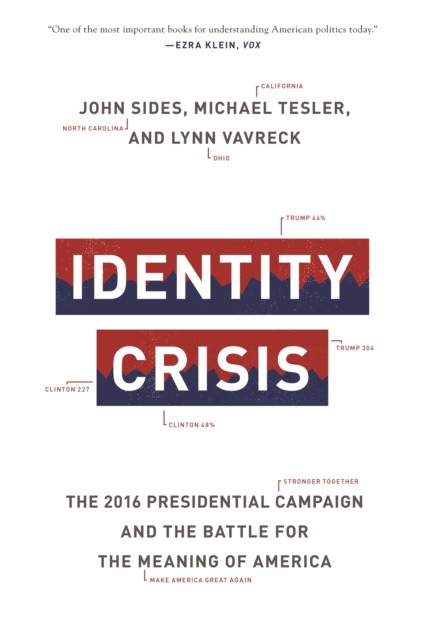
A gripping in-depth look at the presidential election that stunned the worldDonald Trump's election victory resulted in one of the most unexpected presidencies in history.
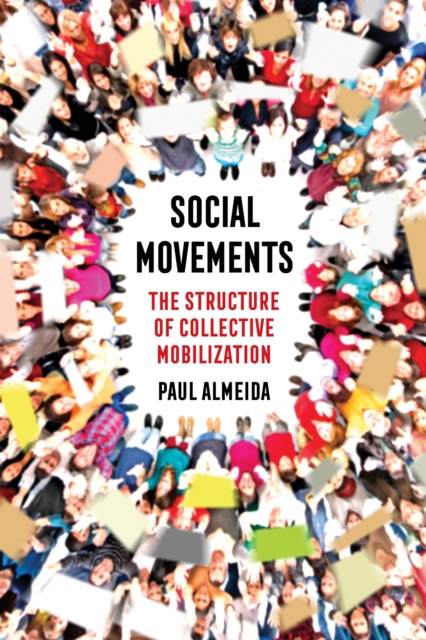
Social Movements cleverly translates the art of collective action and mobilization by excluded groups to facilitate understanding social change from below.
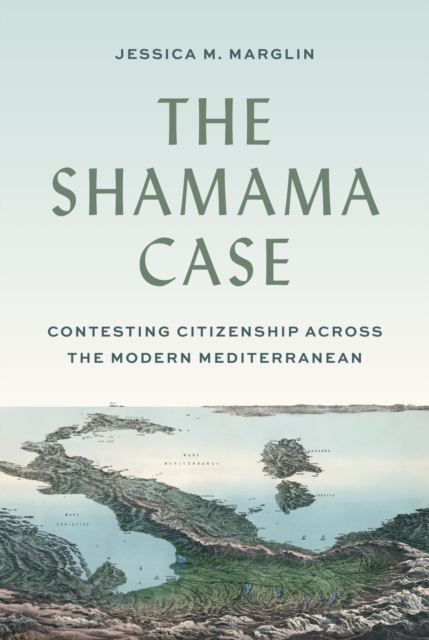
How a nineteenth-century lawsuit over the estate of a wealthy Tunisian Jew shines new light on the history of belongingIn the winter of 1873, Nissim Shamama, a wealthy Jew from Tunisia, died suddenly in his palazzo in Livorno, Italy.
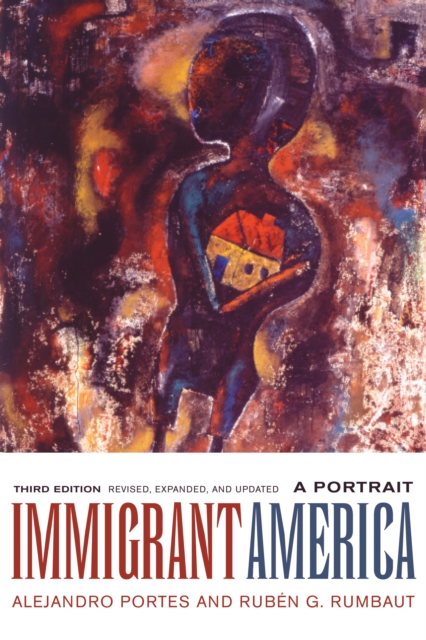
This third edition of the widely acclaimed classic has been thoroughly expanded and updated to reflect current demographic, economic, and political realities.
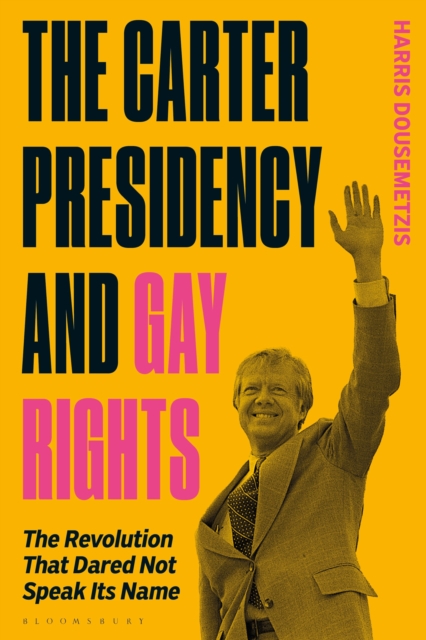
Examining a significant and largely unexplored aspect of Jimmy Carter's presidency (1977-1981), Harris Dousemetzis radically revises the current understanding of this critical period in American political history.
This book develops and applies a unified interpretation of John Rawls' theory of justice as fairness in order to clarify the account of citizenship that Rawls relies upon, and the kind of educational policies that the state can legitimately pursue to promote social justice.
This book examines different models from around the world of how journalism can support deliberation - the processes in which societies recognize and discuss the issues that affect them, appraise the potential responses, and make decisions about whether and how to take action.
Assessing the limits of pluralism, this book examines different types of political inclusion and exclusion and their distinctive dimensions and dynamics.
Providing practical and theoretical resources on media law and ethics for the United Kingdom and United States of America and referencing other legal jurisdictions such as France, Japan, India, China and Saudi Arabia, Comparative Media Law and Ethics is suitable for upper undergraduate and postgraduate study and for professionals in the media who need to work internationally.
Freedom in the World, the Freedom House flagship survey whose findings have been published annually since 1972, is the standard-setting comparative assessment of global political rights and civil liberties.