The United Nations Peacebuilding Commission (UNPBC) was established in December 2005 to develop outlines of best practice in post-conflict reconstruction, and to secure the political and material resources necessary to assist states in transition from conflict to peacetime.
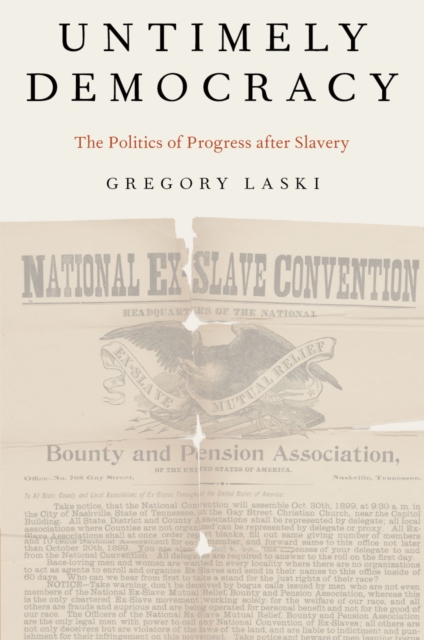
From the abolition era to the Civil Rights movement to the age of Obama, the promise of perfectibility and improvement resonates in the story of American democracy.
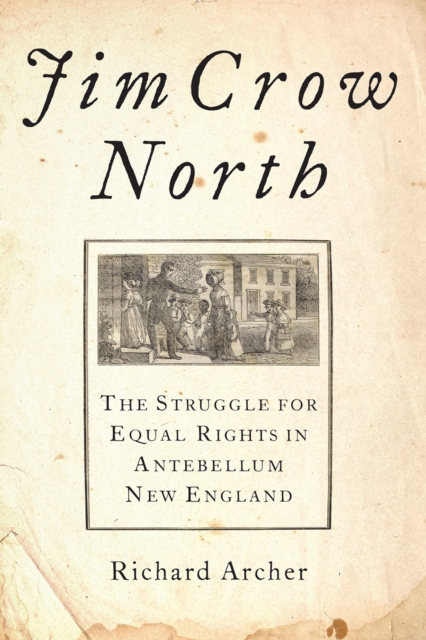
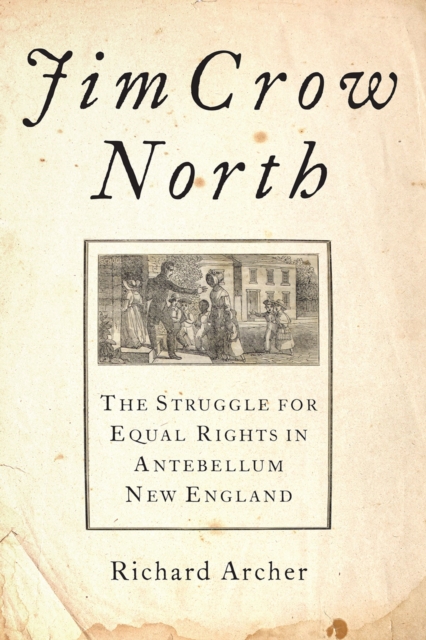
More than a century before Rosa Parks refused to give up her seat on a Montgomery bus, Shadrach Howard, David Ruggles, Frederick Douglass, and others had rejected demands that they relinquish their seats on various New England railroads.
More than a century before Rosa Parks refused to give up her seat on a Montgomery bus, Shadrach Howard, David Ruggles, Frederick Douglass, and others had rejected demands that they relinquish their seats on various New England railroads.
For over forty years, Cold War concerns about the threat of communism shaped the contours of refugee and asylum policy in the United States, and the majority of those admitted as refugees came from communist countries.
For over forty years, Cold War concerns about the threat of communism shaped the contours of refugee and asylum policy in the United States, and the majority of those admitted as refugees came from communist countries.
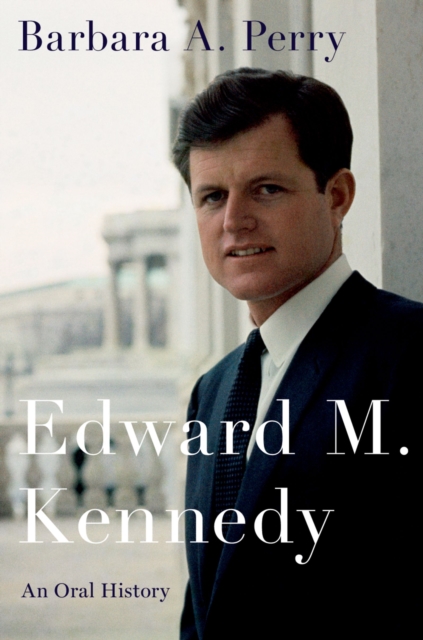
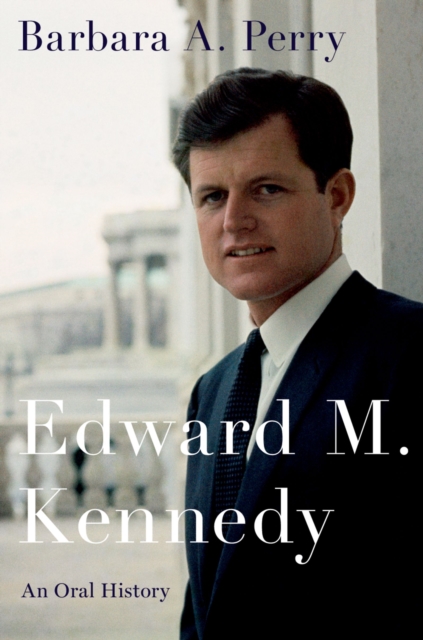
For Kennedy devotees, as well as readers unfamiliar with the "e;lion of the Senate,"e; this book presents the compelling story of Edward Kennedy's unexpected rise to become one of the most consequential legislators in American history and a passionate defender of progressive values, achieving legislative compromises across the partisan divide.
For Kennedy devotees, as well as readers unfamiliar with the "e;lion of the Senate,"e; this book presents the compelling story of Edward Kennedy's unexpected rise to become one of the most consequential legislators in American history and a passionate defender of progressive values, achieving legislative compromises across the partisan divide.
From the abolition era to the Civil Rights movement to the age of Obama, the promise of perfectibility and improvement resonates in the story of American democracy.
By the time of his death in 1988, Romare Bearden was most widely celebrated for his large-scale public murals and collages, which were reproduced in such places as Time and Esquire to symbolize and evoke the black experience in America.
In this sequel to his prize-winning book, The Eyes of the People, Jeffrey Edward Green draws on philosophy, history, social science, and literature to ask what democracy can mean in a world where it is understood that socioeconomic status to some degree will always determine opportunities for civic engagement and career advancement.
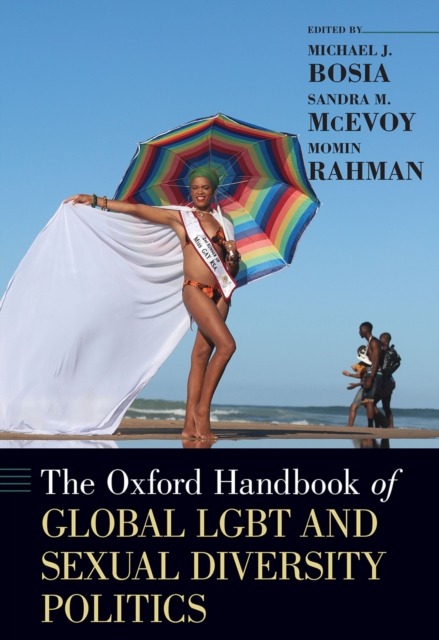
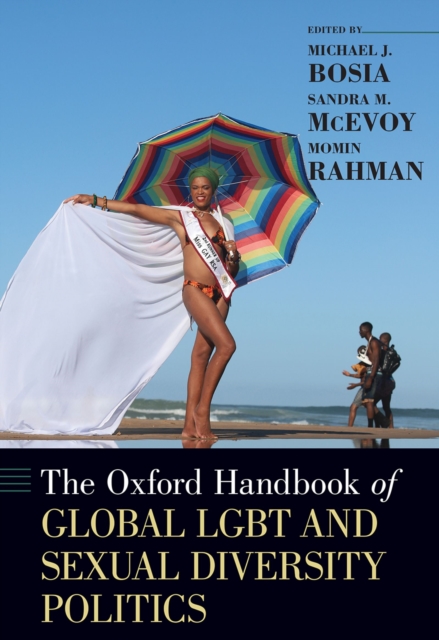
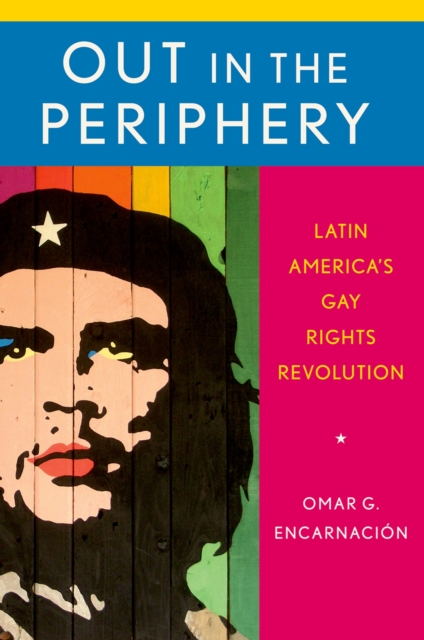
Known around the world as a bastion of Catholicism and machismo, Latin America has emerged in recent years as the undisputed gay rights leader of the Global South.
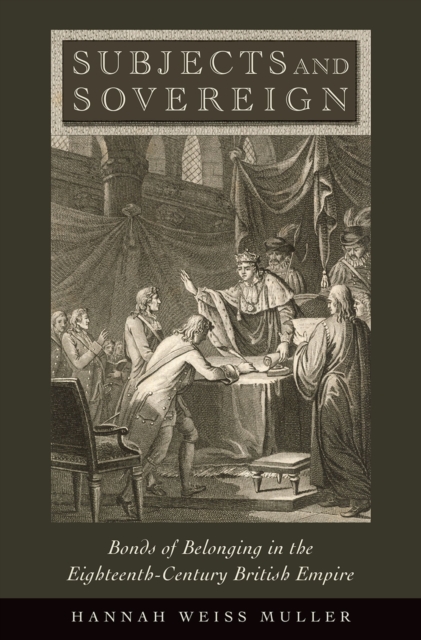
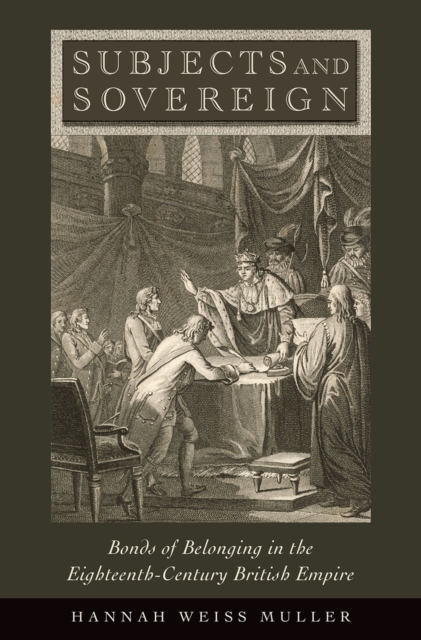
In the aftermath of the Seven Years' War, when a variety of conquered and ceded territories became part of an expanding British Empire, crucial struggles emerged about what it meant to be a "e;British subject.
In the aftermath of the Seven Years' War, when a variety of conquered and ceded territories became part of an expanding British Empire, crucial struggles emerged about what it meant to be a "e;British subject.
The topic of global justice has long been a central concern within political philosophy and political theory, and there is no doubt that it will remain significant given the persistence of poverty on a massive scale and soaring global inequality.
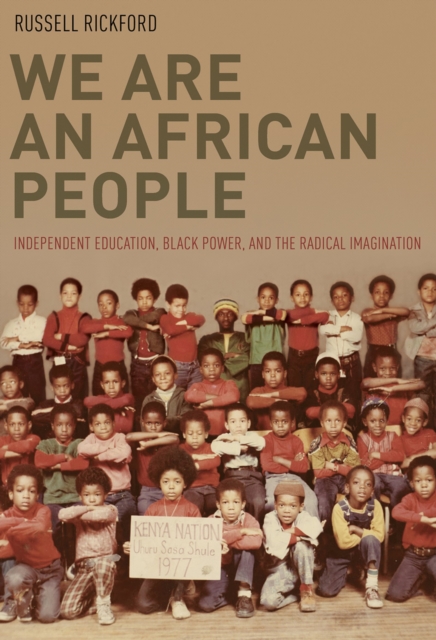
During the height of the Black Power movement of the late 1960s and 1970s, dozens of Pan African nationalist private schools, from preschools to post-secondary ventures, appeared in urban settings across the United States.
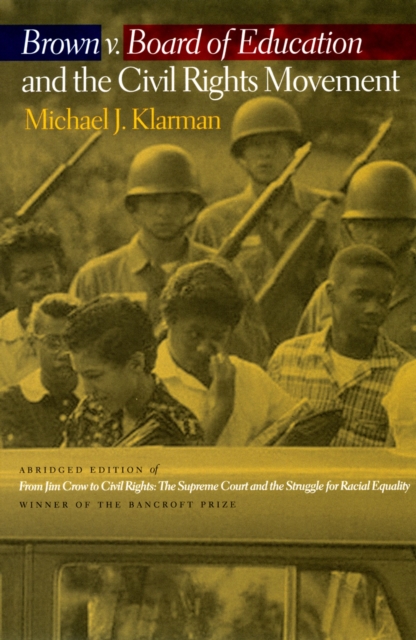
A splendid account of the Supreme Court's rulings on race in the first half of the twentieth century, From Jim Crow To Civil Rights earned rave reviews and won the Bancroft Prize for History in 2005.
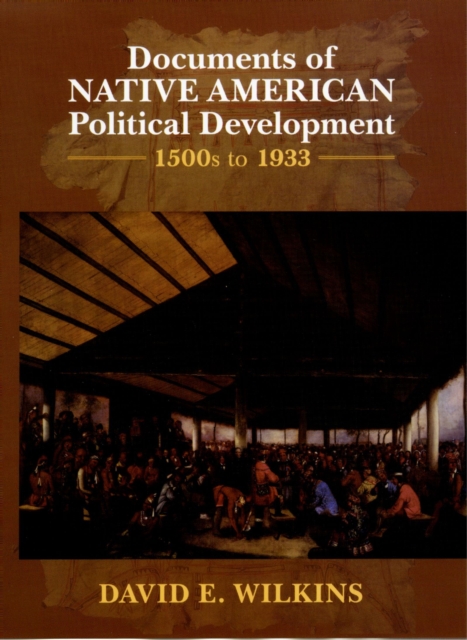
The arrival of European and Euro-American colonizers in the Americas brought not only physical attacks against Native American tribes, but also further attacks against the sovereignty of these Indian nations.
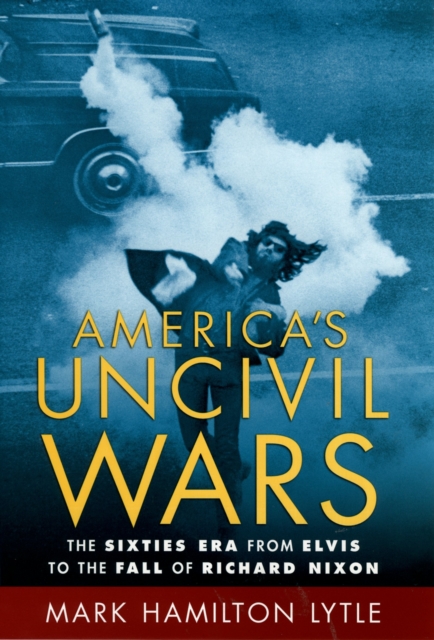
Here is a panoramic history of America from 1954 to 1973, ranging from the buoyant teen-age rebellion first captured by rock and roll, to the drawn-out and dispiriting endgame of Watergate.