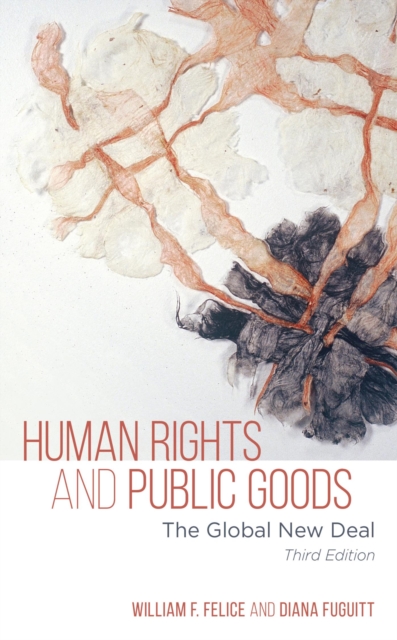
This powerful and empowering text offers a way forward for alleviating human suffering, presenting a realistic roadmap for enhanced global governance that can create workable solutions to mass poverty.
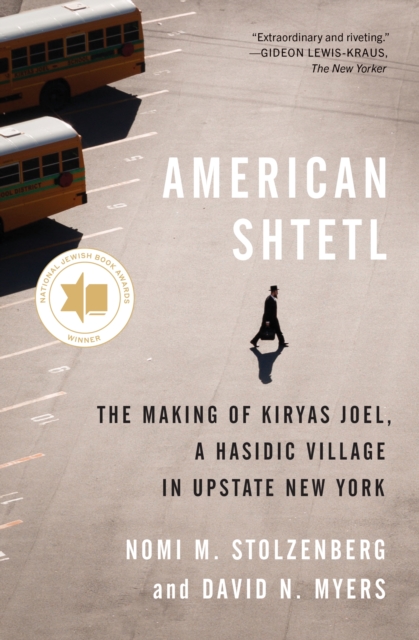
A compelling account of how a group of Hasidic Jews established its own local government on American soilSettled in the mid-1970s by a small contingent of Hasidic families, Kiryas Joel is an American town with few parallels in Jewish historybut many precedents among religious communities in the United States.
Representation of the poor has never been the top priority for civil rights organizations, which exist to eradicate racially prejudiced and discriminatory practices and policy.
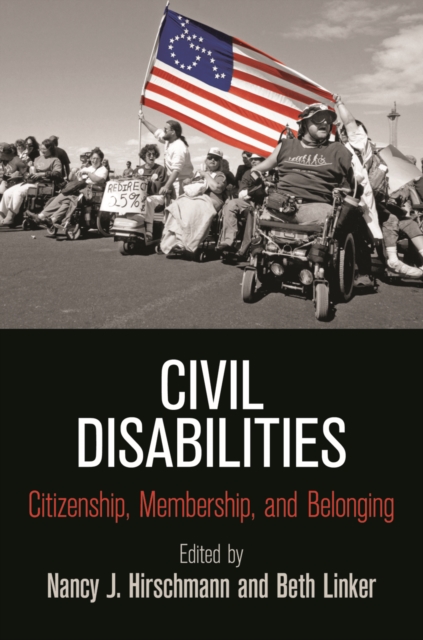
An estimated one billion people around the globe live with a disability; this number grows exponentially when family members, friends, and care providers are included.
Why have countries increasingly restricted immigration even when they have opened their markets to foreign competition through trade or allowed their firms to move jobs overseas?
This sweeping history of twentieth-century America follows the changing and often conflicting ideas about the fundamental nature of American society: Is the United States a social melting pot, as our civic creed warrants, or is full citizenship somehow reserved for those who are white and of the "e;right"e; ancestry?
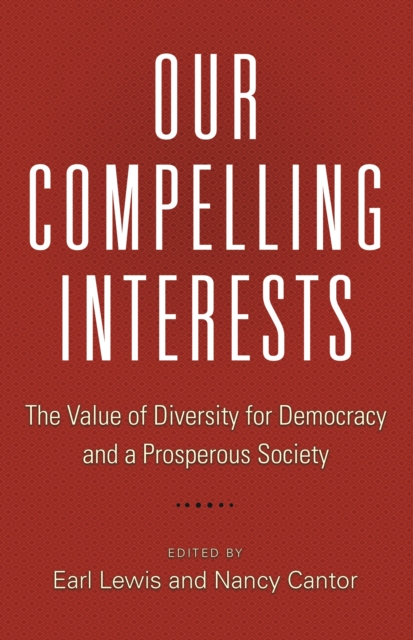
How diversity and difference strengthen democracy and increase prosperityIt is clear that in our society today, issues of diversity and social connectedness remain deeply unresolved and can lead to crisis and instability.
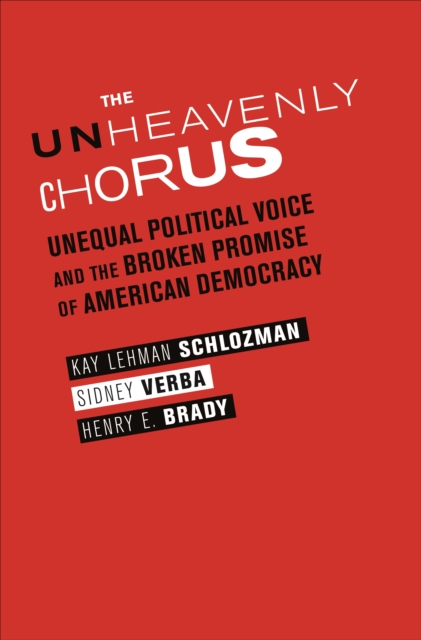
Why American democracy favors the affluent and educatedPolitically active individuals and organizations make huge investments of time, energy, and money to influence everything from election outcomes to congressional subcommittee hearings to local school politics, while other groups and individual citizens seem woefully underrepresented in our political system.
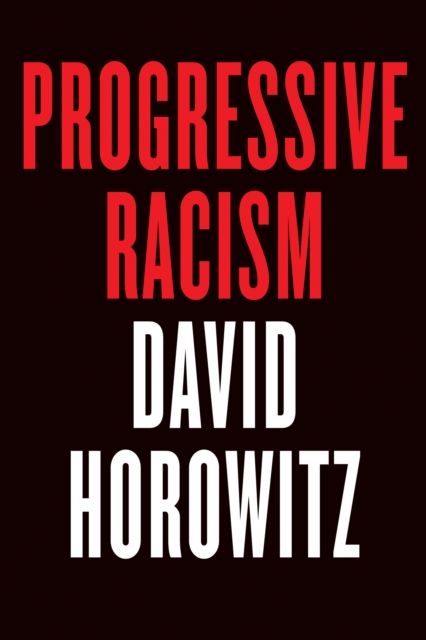
Progressive Racism is about the transformation of the civil rights movement from a cause opposing racismthe denigration of individuals on the basis of their skin color - into a movement endorsing race preferences and privileges for select groups based on their skin color.
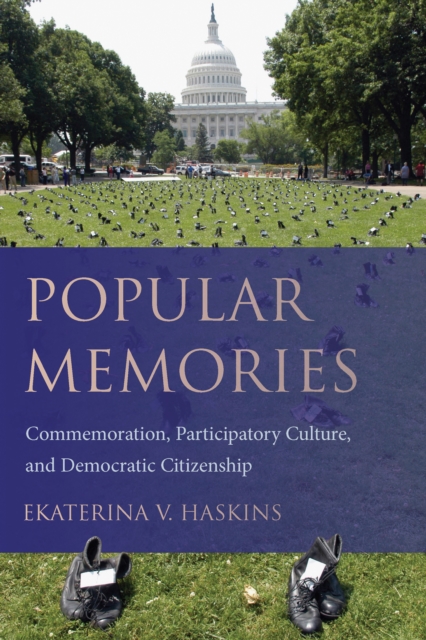
A critical exploration of the ways public participation has transformed commemoration and civic engagement in the United StatesIn the last three decades ordinary Americans launched numerous grassroots commemorations and official historical institutions became more open to popular participation.
Following a dialogic and interdisciplinary approach, this book highlights changes in the concept and action of disobedience, presenting a theoretical framework and applied case studies.
Amidst the increasing global trend of cross-border marriage migration, this book offers timely theoretical and empirical insights into contemporary debates about migration and citizenship.
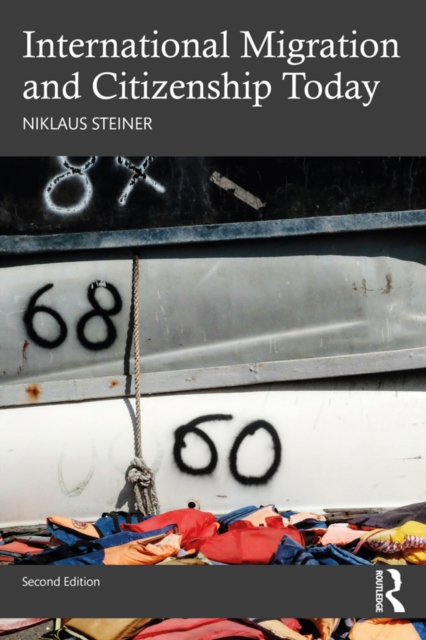
This completely revised and updated textbook explores the moral, economic, political, and cultural dimensions of the movement of people across international borders.
This completely revised and updated textbook explores the moral, economic, political, and cultural dimensions of the movement of people across international borders.
The United States is in the midst of historic experiments with publicly funded choice in K-12 education, experiments that recently received a "e;"e;green light"e;"e; from the Supreme Court.
Of all the issues presented by China's ongoing economic and sociopolitical transformation, none may ultimately prove as consequential as the development of the Chinese legal system.
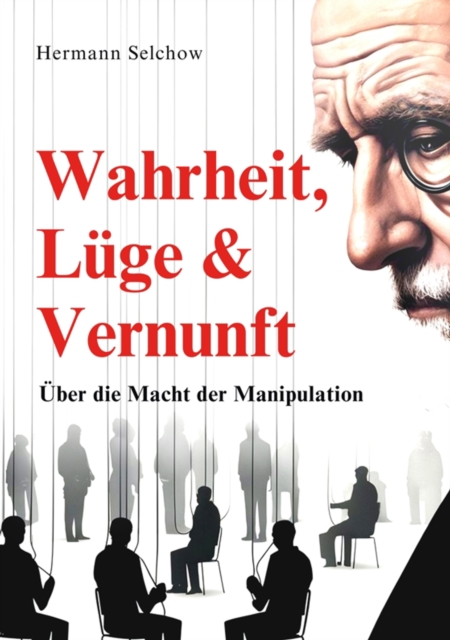
Wahrheit, Lüge & Vernunft - Über die Macht der ManipulationWir alle sind Fakten und Emotionen ausgesetzt und nicht immer sind die Grenze zwischen Wahrheit und Täuschung klartrennbar.
This interdisciplinary anthology offers both theoretical reflections and empirical data on past, present and possible future war and crisis situations.
This interdisciplinary anthology offers both theoretical reflections and empirical data on past, present and possible future war and crisis situations.
American Book Award Winner: A "e;moving, intimate"e; account of serving as a translator for undocumented children facing deportation (The New York Times Book Review).
This book discusses the ways civil society initiatives open communities to newcomers and why, how, and under what circumstances some are more welcoming than others, exploring the importance of transgressive cosmopolitanism as a basis for creating more inclusive and pluralistic societies.
The Making of the Soviet Citizen (1987) examines the distinctive feature of Soviet education - the crucial importance it gives to the formation of a new type of person, the model socialist citizen.
Examining a significant and largely unexplored aspect of Jimmy Carter's presidency (1977-1981), Harris Dousemetzis radically revises the current understanding of this critical period in American political history.
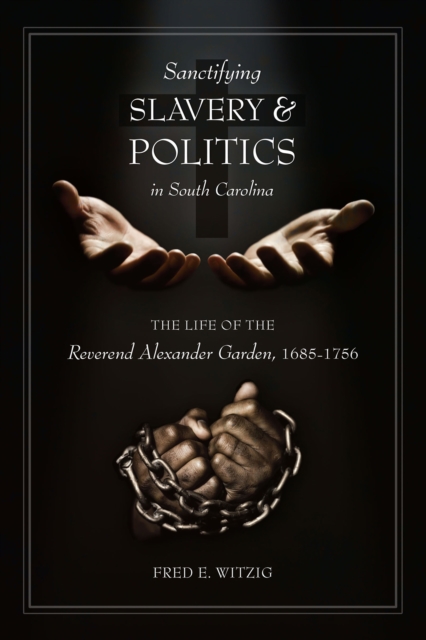
A vivid portrait of a Scottish religious leader and the South Carolina colony he helped shapeWhen Alexander Garden, a Scottish minister of the Church of England, arrived in South Carolina in 1720, he found a colony smoldering from the devastation of the Yamasee War and still suffering from economic upheaval, political factionalism, and rampant disease.
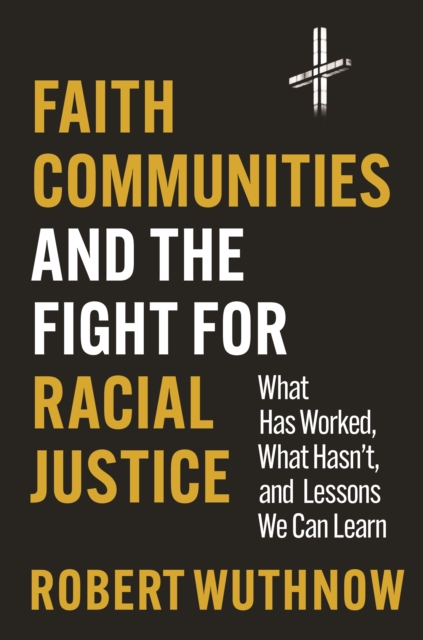
The communities, congregations, and faith-based coalitions that have been working for racial justice over the past fifty yearsHave progressive religious organizations been missing in action in recent struggles for racial justice?
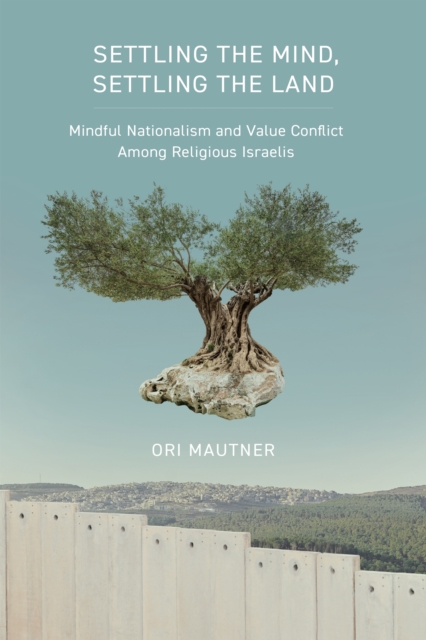
An ethnography of nationalist orthodox Jewish Israelis adopting Buddhist-derived meditation to encounter God and promote redemptionBased on extensive ethnographic fieldwork, Settling the Mind, Settling the Land examines a striking puzzle at the heart of contemporary Israel: the adoption of Buddhist-derived meditation by nationalist, orthodox Jews.
An ethnography of nationalist orthodox Jewish Israelis adopting Buddhist-derived meditation to encounter God and promote redemptionBased on extensive ethnographic fieldwork, Settling the Mind, Settling the Land examines a striking puzzle at the heart of contemporary Israel: the adoption of Buddhist-derived meditation by nationalist, orthodox Jews.