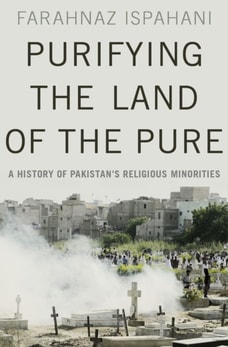
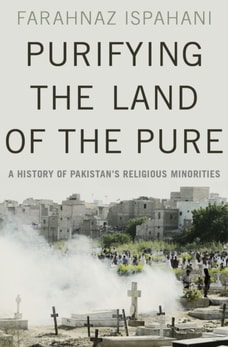
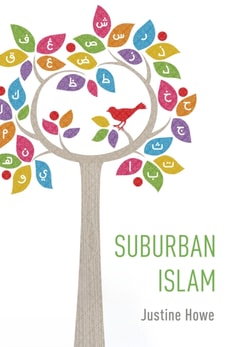
When Pakistan emerged as an independent state in 1947, it sought to provide a new homeland and safe harbor for South Asia's Muslims, the largest religious minority in the subcontinent at the time.
When Pakistan emerged as an independent state in 1947, it sought to provide a new homeland and safe harbor for South Asia's Muslims, the largest religious minority in the subcontinent at the time.
By the time of his death in 1988, Romare Bearden was most widely celebrated for his large-scale public murals and collages, which were reproduced in such places as Time and Esquire to symbolize and evoke the black experience in America.
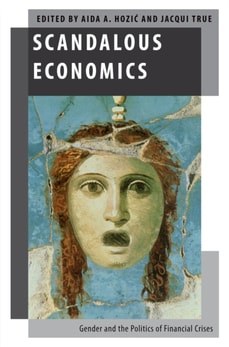
Of all of the lies, fragile alliances, and predatory financial dealings that have been revealed in the wake of the Global Financial Crisis of 2008, we have yet to come to terms with the ways in which structural inequalities around gender and race factor into (and indeed make possible) the current economic order.
In this sequel to his prize-winning book, The Eyes of the People, Jeffrey Edward Green draws on philosophy, history, social science, and literature to ask what democracy can mean in a world where it is understood that socioeconomic status to some degree will always determine opportunities for civic engagement and career advancement.
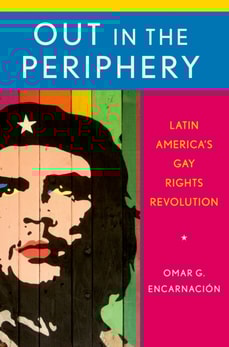
Known around the world as a bastion of Catholicism and machismo, Latin America has emerged in recent years as the undisputed gay rights leader of the Global South.
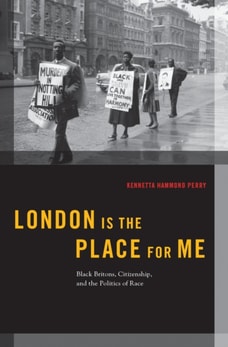
In the aftermath of the Seven Years' War, when a variety of conquered and ceded territories became part of an expanding British Empire, crucial struggles emerged about what it meant to be a "e;British subject.
In the aftermath of the Seven Years' War, when a variety of conquered and ceded territories became part of an expanding British Empire, crucial struggles emerged about what it meant to be a "e;British subject.
The topic of global justice has long been a central concern within political philosophy and political theory, and there is no doubt that it will remain significant given the persistence of poverty on a massive scale and soaring global inequality.
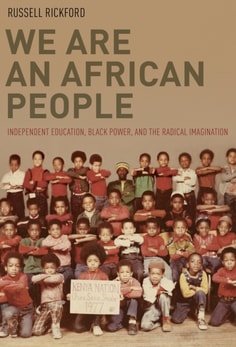
During the height of the Black Power movement of the late 1960s and 1970s, dozens of Pan African nationalist private schools, from preschools to post-secondary ventures, appeared in urban settings across the United States.
When considering the structures that drive the global diffusion of human rights norms, Brian Greenhill argues that we need to look beyond institutions that are explicitly committed to human rights and instead focus on the dense web of international government organizations (IGOs)-some big, some small; some focused on human rights; some not-that has arisen in the last two generations.
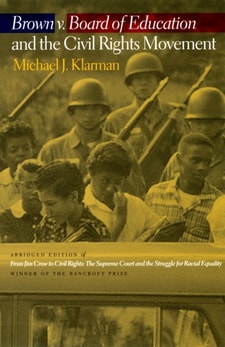
A splendid account of the Supreme Court's rulings on race in the first half of the twentieth century, From Jim Crow To Civil Rights earned rave reviews and won the Bancroft Prize for History in 2005.
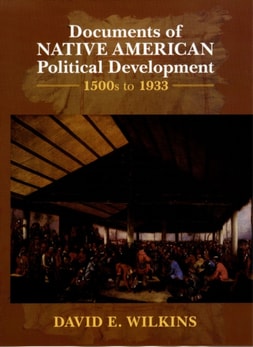
The arrival of European and Euro-American colonizers in the Americas brought not only physical attacks against Native American tribes, but also further attacks against the sovereignty of these Indian nations.
Affirmative action strikes at the heart of deeply held beliefs about employment and education, about the concepts of justice and fairness, and about the troubled history of race relations in America.
Here is a panoramic history of America from 1954 to 1973, ranging from the buoyant teen-age rebellion first captured by rock and roll, to the drawn-out and dispiriting endgame of Watergate.
Many thousands of Irish peasants fled from the country in the terrible famine winter of 1847-48, following the road to the ports and the Liverpool ferries to make the dangerous passage across the Atlantic.
The Crucible of Race, a major reinterpretation of black-white relations in the South, was widely acclaimed on publication and compared favorably to two of the seminal books on Southern history: Wilbur J.
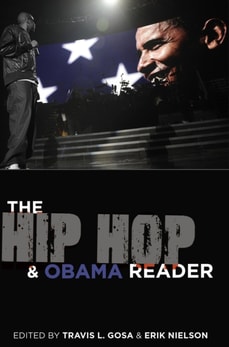
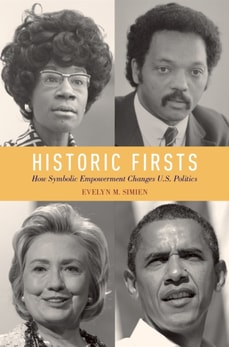
For many Americans, the election of Barack Obama as the country's first black president signaled that we had become a post-racial nation - some even suggested that race was no longer worth discussing.
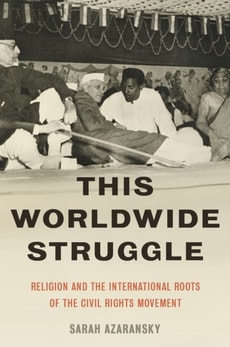
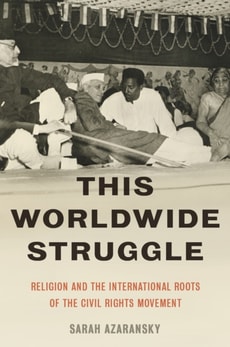
This Worldwide Struggle: Religion and the International Roots of the Civil Rights Movement identifies a network of black Christian intellectuals and activists who looked abroad, even in other religious traditions, for ideas and practices that could transform American democracy.
This Worldwide Struggle: Religion and the International Roots of the Civil Rights Movement identifies a network of black Christian intellectuals and activists who looked abroad, even in other religious traditions, for ideas and practices that could transform American democracy.
For many American Muslims, the 9/11 attacks and subsequent War on Terror marked a rise in intense scrutiny of their religious lives and political loyalties.
The challenge of life and literary narrative is the central and perennial mystery of how people encounter, manage, and inhabit a self and a world of their own - and others' - creations.
The challenge of life and literary narrative is the central and perennial mystery of how people encounter, manage, and inhabit a self and a world of their own - and others' - creations.
A demanding feminist, devout Christian, and savvy grassroots civil rights organizer, Anna Arnold Hedgeman played a key role in over half a century of social justice initiatives.
A demanding feminist, devout Christian, and savvy grassroots civil rights organizer, Anna Arnold Hedgeman played a key role in over half a century of social justice initiatives.
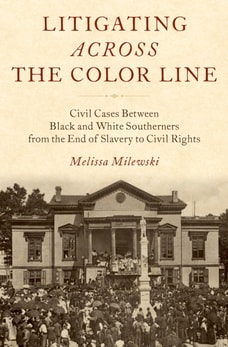
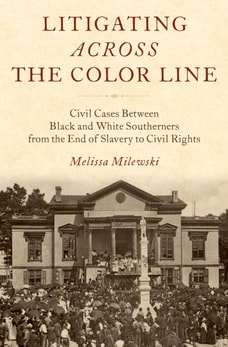
As a result of the violence, segregation, and disfranchisement that occurred throughout the South in the decades after Reconstruction, it has generally been assumed that African Americans in the post-Reconstruction South litigated few civil cases and faced widespread inequality in the suits they did pursue.
As a result of the violence, segregation, and disfranchisement that occurred throughout the South in the decades after Reconstruction, it has generally been assumed that African Americans in the post-Reconstruction South litigated few civil cases and faced widespread inequality in the suits they did pursue.
Over the past few decades, we have witnessed the growth of movements using digital means to connect with broader interest groups and express their points of view.