This book offers an extensive research work to explore the accessibility of women with disabilities and financial insolvency to social safety net program in rural Bangladesh.
Since 2012, scoring algorithms created to manage risks in the United States penal system have been adopted by Immigration and Customs Enforcement (ICE) agencies across the United States.
This compact book celebrates the 100th anniversary of the Geneva Declaration of the Rights of the Child, a critical document that has shaped the relationship of adults with children worldwide.
Probing Human Dignity from multiple disciplinary backgrounds by scholars from a variety of countries and different cultures is an intense intellectual and emotional venture.
This book contributes conceptually, theoretically and morally to a deeper understanding of the distinctive Asian perceptions of punishment, justice and human rights.
The ongoing devastation in Gaza and other parts of Palestine, alongside the systematic destruction of Palestinian universities, has coincided with intensified censorship and repression within Western academic institutions.
This book focuses on facial recognition technology (FRT) and sheds light on previously unexplored aspects that involve systematic legal issues concerning its regulation, the protection of rights and freedoms, the preservation of democracy and the rule of law.
Probing Human Dignity from multiple disciplinary backgrounds by scholars from a variety of countries and different cultures is an intense intellectual and emotional venture.
This book examines the genesis of poverty in Jamaica and how policies and laws related to social and economic rights can help with the promotion and protection of human rights as part of a broader worldview of human dignity.
This short Pivot explores the the physical, emotional, and psychological impact of the lived experiences of asylum seekers on the staff and volunteers of third sector organisations who assist and support them.
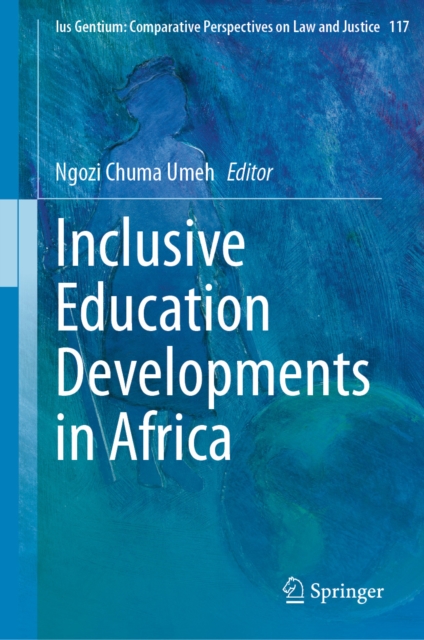
This book contributes to the discourse on disability in Africa as an issue of systemic exclusion characterized by the discrimination and often complete segregation of persons with disabilities (PWDs) in various African countries.
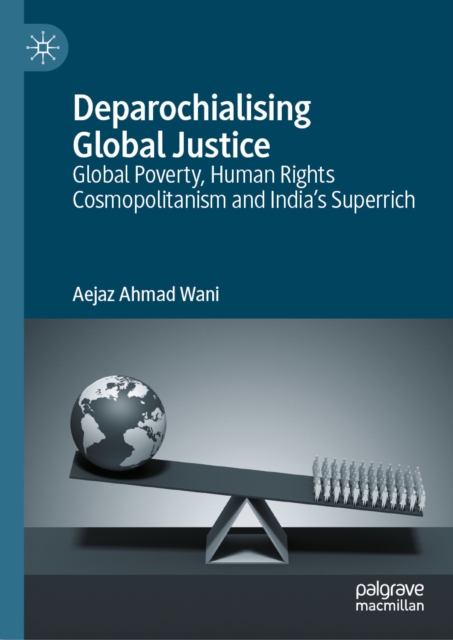
This book offers a deparochial account of global justice and addresses disenchantment stemming from its West-centricity and provincial theoretical formulations.
Fourteen women testify to the shocking human rights abuses in Iranian prisonsWINNER OF THE NOBEL PEACE PRIZE 2023 'A must-read for anyone concerned with human rights in Iran.
This book provides a comprehensive account of one significantly underreported aspect of violence affecting young refugee girls today, that of forced child marriage.
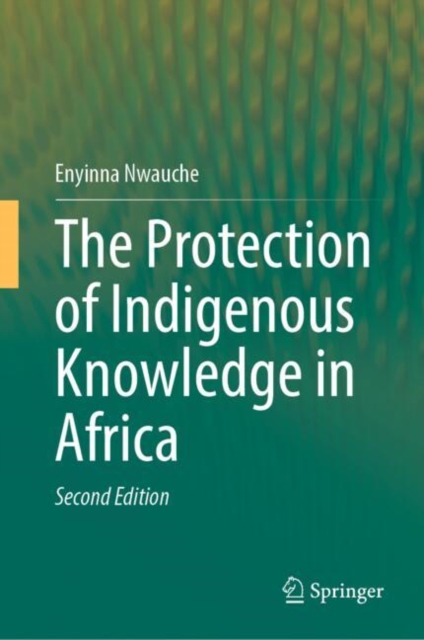
This book provides a comprehensive contemporary and timely account of the protection of indigenous knowledge in Africa by examining issues such as the nature of indigenous knowledge as part of indigenous property and as the fulcrum of indigenous communities in Africa.
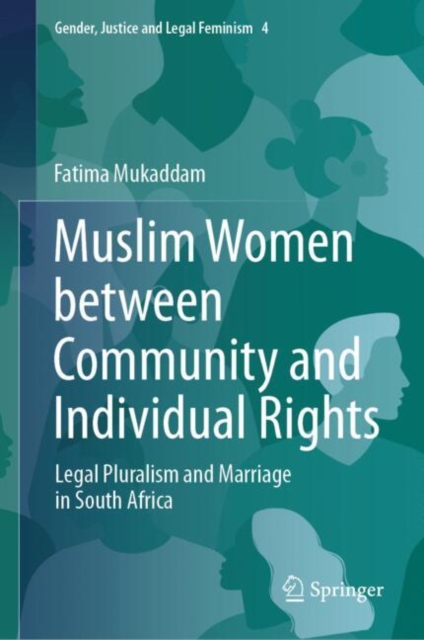
This book presents an in-depth exploration of the intricate negotiations of married Muslim women within Cape Town's Muslim communities, navigating the complexities of legal pluralism governed by Muslim Personal Law (MPL).
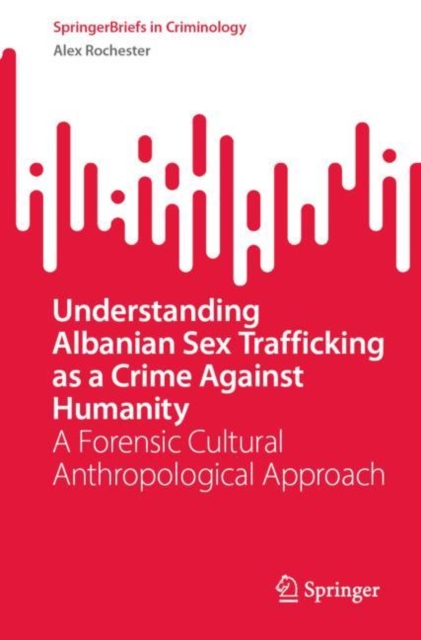
This volume considers the most appropriate criminal jurisdiction to prosecute aggravated sex trafficking of the kind associated with northern Albanian crime groups.
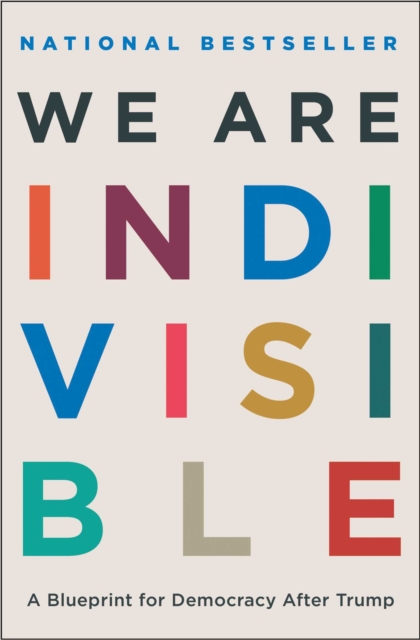
This national bestseller is not only the guiding ';centerpiece of a robust new grassroots machinery' (Rolling Stone), it is the story of democracy under threat.
This book seeks to answer a number of key questions about the relationship between the IMF, developing states and the impact of financial crises on human rights abuses, including: Why do some but not other IMF-assisted developing states experience the joint outbreak of currency and sudden reversal crises under the Fund's program?
This book contributes conceptually, theoretically and morally to a deeper understanding of the distinctive Asian perceptions of punishment, justice and human rights.
Faith Based explores how the Religious Right has supported neoliberalism in the United States, bringing a particular focus to welfare-an arena where conservative Protestant politics and neoliberal economic ideas come together most clearly.
This book presents a study of alternative penalties to the death penalty in China, aiming to promote theoretical exploration of death penalty reform in China as well as long-term penal reform.
This volume considers the most appropriate criminal jurisdiction to prosecute aggravated sex trafficking of the kind associated with northern Albanian crime groups.
This book critically analyzes the criminalization of incitement to terrorism under the fundamental principles of legality, necessity, and proportionality with the aim of striking a fair balance between security and liberty on this complicated issue.
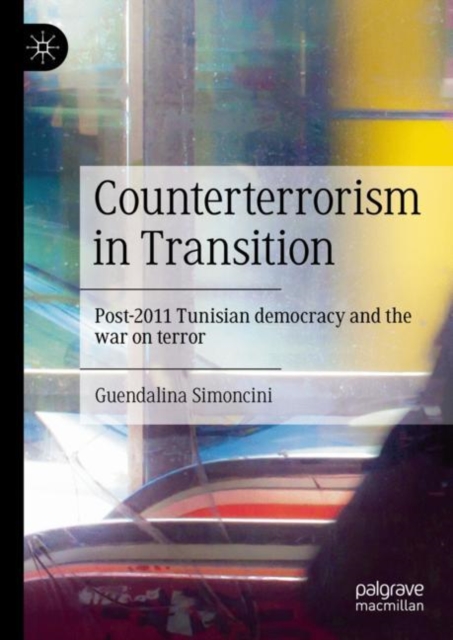
This volume offers a critical examination of how counterterrorism measures influence democratic processes, with a specific focus on the case study of post-2011 Tunisia.
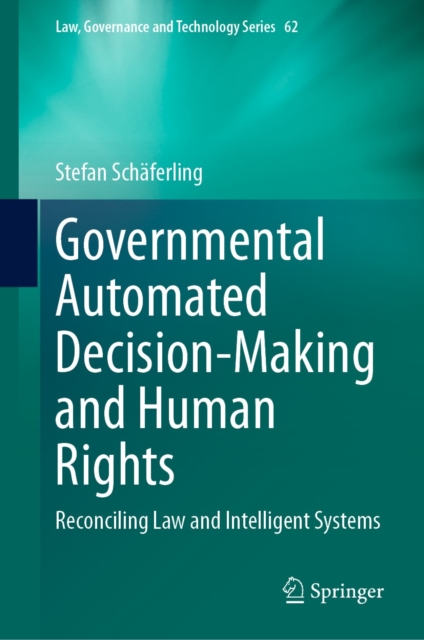
With the growing capabilities of artificial intelligence, governments are integrating AI technologies into administrative and even judicial decision-making, aiding and in some cases even replacing human decision-makers.
This book sheds light on the fact that the proclamation of an emergency can be a legitimate constitutional method to take prompt preventative measures in protecting the interests of the society in times of grave crises.