Since the coup of 2013 ended Egypt's brief democratic experiment and retired army chief, Abdel Fattah El-Sisi, became president of Egypt, his regime has unleashed mass repression and severe restrictions on an unprecedented scale.
When the Ottoman Empire fell apart, colonial powers drew straight lines on the map to create a new region the Middle East made up of new countries filled with multiple religious sects and ethnicities.
In diesen 1997–2012 gehaltenen Vorträgen spannt der Autor einen weiten Bogen über sein zentrales Thema: die Begegnung mit dem Ätherischen bereits wirksam erscheinenden Christus.
Faced with the economic pressures of globalization, many countries have sought to curb the fundamental right of workers to join trade unions and engage in collective action.
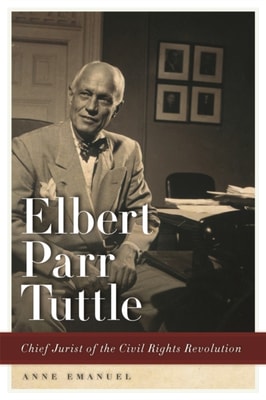
This is the first-and the only authorized-biography of Elbert Parr Tuttle (1897-1996), the judge who led the federal court with jurisdiction over most of the Deep South through the most tumultuous years of the civil rights revolution.
Since the 1980s a number of countries have established truth commissions to come to terms with the legacy of past human rights violations, yet little is known about the achievements and shortcomings of this popular transitional justice tool.
This book offers a unique insight into the moral politics behind human trafficking policy in Australia and the USA, including rare interviews with key political actors, and a critical account of Congressional and Parliamentary hearings.
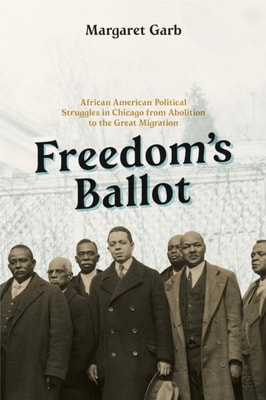
This study details how the development and maturation of New Negro politics and thought were shaped not only by New York-based intellectuals and revolutionary transformations in Europe, but also by people, ideas, and organizations rooted in the South.
Historical accounts of racial discrimination in transportation have focused until now on trains, buses, and streetcars and their respective depots, terminals, stops, and other public accommodations.
Since the start of the occupation of Palestinian territories in 1967, Israel's domination of the Palestinians has deprived an entire population of any political status or protection.
In the wake of World War I, a diverse group of women emigrated from Europe to the United States under austere conditions and adapted in different ways to life in the new country.
This book highlights that an independent judiciary is indispensable for the very existence of any society based on democratic values, such as the observance of the rule of law and respect for the human rights of individuals.
This book provides an in-depth study on the theory of fundamental rights and the legal challenges posed by new technologies, with a particular focus on neurotechnologies and neurorights.
This book provides an in-depth study on the theory of fundamental rights and the legal challenges posed by new technologies, with a particular focus on neurotechnologies and neurorights.
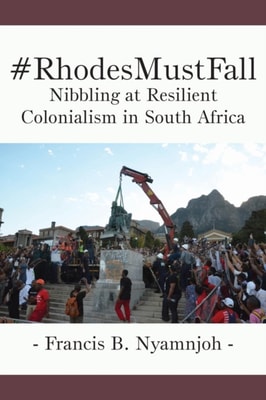
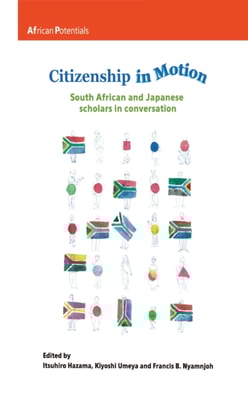
This book on rights, entitlements and citizenship in post-apartheid South Africa shows how the playing field has not been as levelled as presumed by some and how racism and its benefits persist.
This book on rights, entitlements and citizenship in post-apartheid South Africa shows how the playing field has not been as levelled as presumed by some and how racism and its benefits persist.
Mientras trabajos precedentes se habían focalizado exclusivamente en la trayectoria del Movimiento de Sacerdotes para el Tercer Mundo (MSTM), en este libro Claudia Touris demuestra que la corriente tercermundista en la Argentina fue una red sociorreligiosa más amplia y diversa que se desplegó como una verdadera constelación de actores sociales integrada no solo por los sacerdotes, sino también por religiosas, laicos que pasaron por los ámbitos de sociabilidad católica renovada por el Concilio Vaticano II y otros, como el grupo de Cristianismo y Revolución, que lo conectaron con la vía insurreccional minoritaria en la corriente tercermundista.
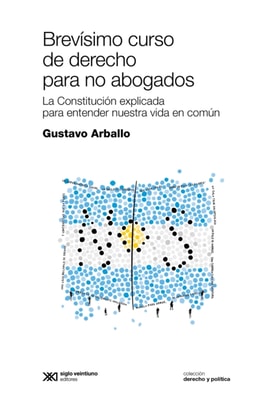
La Constitución tiene la particularidad –y la condena– de los textos fundamentales: todos creemos conocerla, y podríamos recitar pasajes de memoria, pero muchos tenemos una idea equivocada, o al menos superficial, de ella.
En muchos países de América Latina los ciudadanos de a pie sienten que el poder político está en manos de una minoría y que el voto periódico no alcanza como mecanismo de control.
En todo el mundo, el activismo por los derechos humanos atraviesa hoy momentos críticos debido a la acción de gobiernos populistas autoritarios de derecha y de izquierda: restricciones al financiamiento extranjero para las ONG, campañas de desprestigio, cooptación de sectores de la sociedad civil y restricciones a los derechos fundamentales están debilitando su legitimidad y su eficacia.