Cuba: The Doctrine of the Lie is a thoroughly researched and profoundly revealing work on two themes of vital importance to the world today: the true nature of totalitarianism and how religion, philosophy, culture, tradition, and individual freedom are the most effective antibodies for countering this deadly ontological virus.
1988Jahr2Ab Mai veranstaltete die Moldauische Demokratische Bewegung (ehemals Moldawien) öffentliche Konferenzen, Demonstrationen und Popfestivals, aber ihr Umfang und ihre Intensität wuchsen allmählich.
I wrote this book for my niece, and I realized if I could help her understand, then I could reach out to other teens and youths of America to understand the dangers of socialism and how it can impact your life as an American.
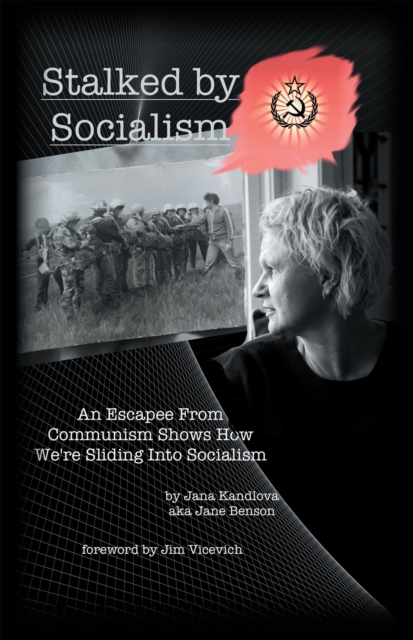
In 1988, 19 year-old Jana Kandlova (aka Jane Benson) escaped from communist Czechoslovakia and came to the United States to live and thrive in a free country.
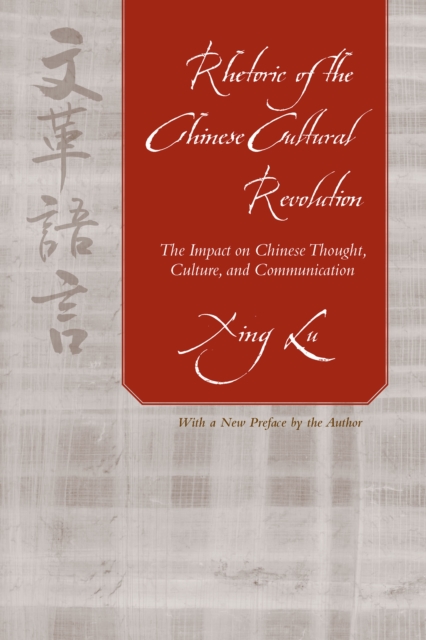
A startling look at revolutionary rhetoric and its effectsNow known to the Chinese as the "e;ten years of chaos,"e; the Chinese Cultural Revolution (1966-76) brought death to thousands of Chinese and persecution to millions.
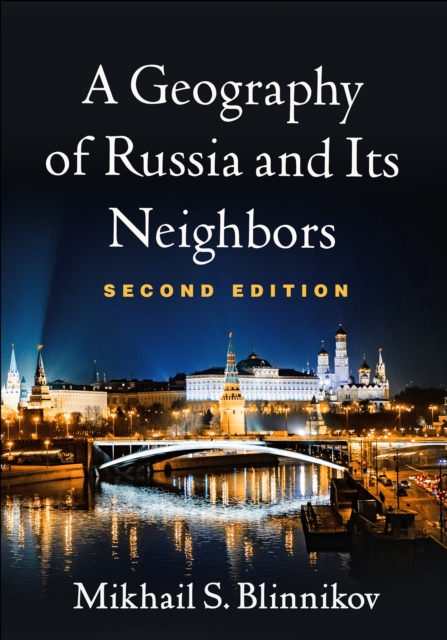
Authoritative yet accessible, the definitive undergraduate text on Russian geography and culture has now been thoroughly revised with current data and timely topics, such as the annexation of Crimea and Sevastopol and other background for understanding Russias 2022 invasion of Ukraine.
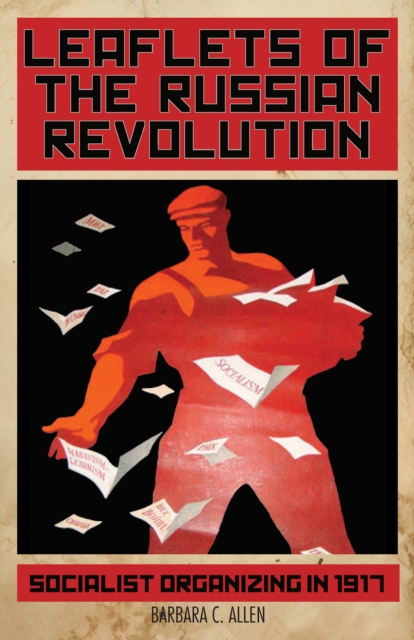
When workers and peasants rose up across Russia and smashed the centuries old Tsarist autocracy their actions reverberated across the world, and continue to inspire activists to this day.
Winner of the Vick Foundation Novel of the Year Award in 2007, Party Headquarters takes place in the eighties and nineties, during Bulgaria's transition from communist rule to democracy.
Henri Lefebvre, Metaphilosophy, and Modernity provides a new interpretation of the work of Henri Lefebvre (1901-1991), reframing it as being above all a metaphilosophy of modernity.
The Subject of Film and Race is the first comprehensive intervention into how film critics and scholars have sought to understand cinema's relationship to racial ideology.
Subject & Object is a thematic collection of classic works by Max Horkheimer, Theodor Adorno, and Herbert Marcuse, designed to foreground the authors' philosophical concerns, especially in the areas of epistemology, ontology, and method.
Subject & Object is a thematic collection of classic works by Max Horkheimer, Theodor Adorno, and Herbert Marcuse, designed to foreground the authors' philosophical concerns, especially in the areas of epistemology, ontology, and method.
The Subject of Film and Race is the first comprehensive intervention into how film critics and scholars have sought to understand cinema's relationship to racial ideology.
The bastard step-child of Milton Friedman and Anthony Bourdain, Socialism Sucks is a bar-crawl through former, current, and wannabe socialist countries around the world.
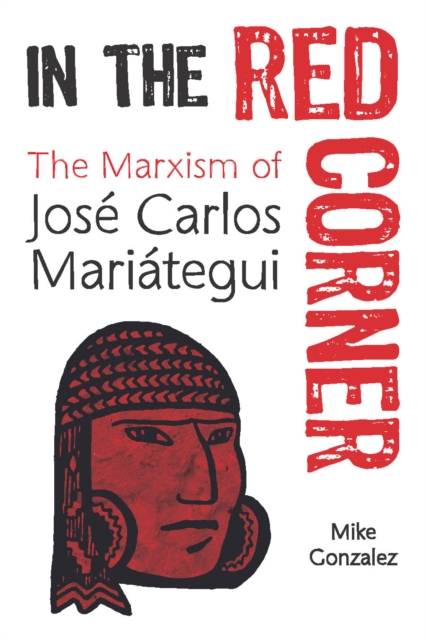
Jose Carlos Mariategui (1894-1930) is widely recognized across Latin America as one of the most important and innovative Marxist thinkers of the twentieth century.
Presented at a time when fascism was a new and little-understood phenomenon, Zetkins work proposed a sweeping plan for the unity of all victims of capitalism in an ideological and political campaign against the fascist danger.
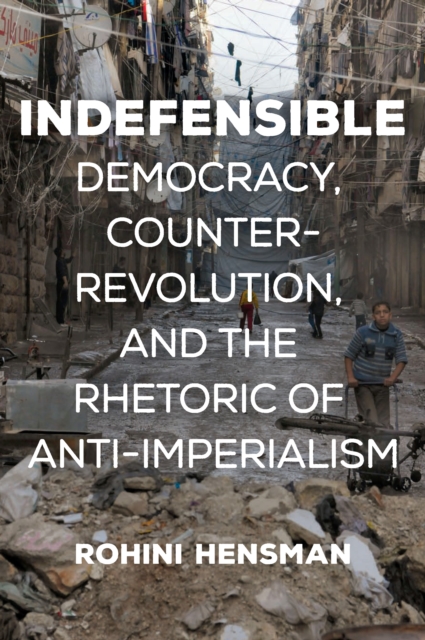
Using an analysis of imperialism and case studies of Syria, Iran, Iraq, Bosnia, Russia and Ukraine, Global Democracy and the Crisis of Anti-Imperialism shows that the purported anti-imperialism of many self-professed socialists amounts to explicit or implicit support for totalitarianism, fascism, Islamist theocracy and imperialism.
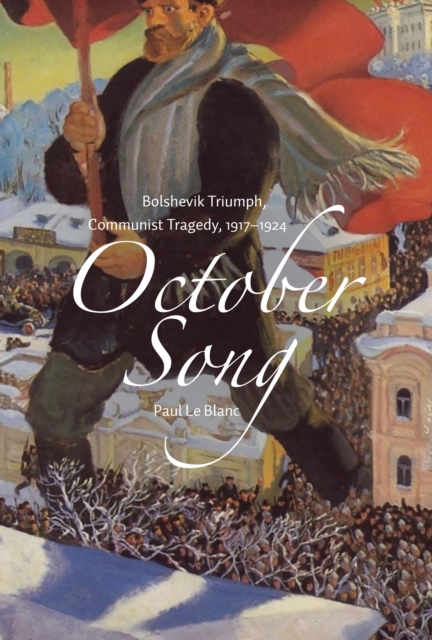
A panoramic account of the Russian Revolution of 1917 and its aftermath animated by the lives, ideas and experiences of workers, peasants, intellectuals, artists, and revolutionaries of diverse persuasions October Song vividly narrates the triumphs of those who struggled for a new society and created a revolutionary workers state.
With characteristic clarity and insight, historian and activist Paul Le Blanc offers a sweeping survey of the key contributions of Marxist theory, exploring its relevance to twentieth-century revolutionary movements and figures.
In the new edition of this definitive work on the history of the revolutionary socialist current in the United States that came to be identified as "e;American Trotskyism,"e; Paul Le Blanc offers fresh reflections on this history for scholars and activists in the twenty-first century.
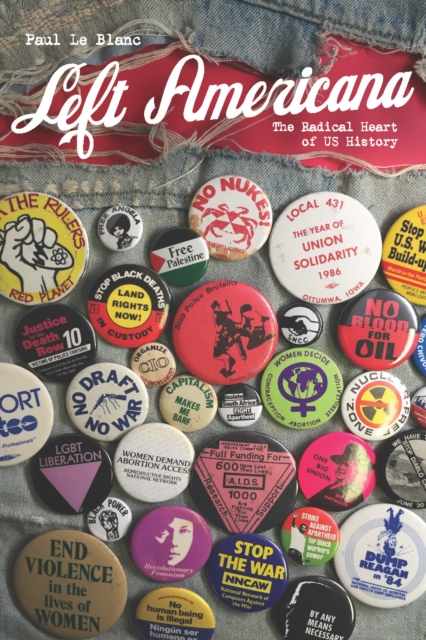
From the Marxist-tinged anarchism of the Haymarket martyrs to the Occupy Wall Street movement, these essays give a vibrant sense of the central role of the Left in social movements and struggles of the past and present, and highlights some of the amazing individuals, whose unstoppable energies generated remarkable transformations.
Leon Trotsky's 1905despite long being out of printhas remained the central point of reference for those looking to understand the rising of workers, peasants, and soldiers that nearly unseated the Tsar in 1905.
In this wide-ranging and insightful work, Soma Marik defends the legacy of the Bolshevik Revolution, arguing against many of its detractors that the early communist regime was centrally concerned with both the liberation of women and the expansion of democracy.
This authoritative survey of the new radical left forming across Europe offers "e;ammo for the struggles ahead, not to be ignored"e; (Susan Weissman, award-winning journalist and editor of Victor Serge).
Spread out over many years and many different publications, the late author and activist Marta Russell wrote a number of groundbreaking and insightful essays on the nature of disability and oppression under capitalism.