Three provocative exposes from a National Jewish Book Award-winning journalist address the CIA's recruitment of Nazis and use of psychological warfare.
This book highlights the role of Romani musical presence in Central and Eastern Europe, especially from Krakow in the Communist period, and argues that music can and should be treated as one of the main points of relation between Roma and non-Roma.
This book highlights the role of Romani musical presence in Central and Eastern Europe, especially from Krakow in the Communist period, and argues that music can and should be treated as one of the main points of relation between Roma and non-Roma.
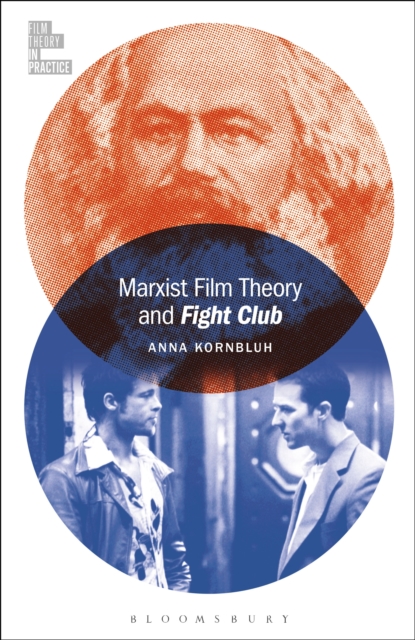
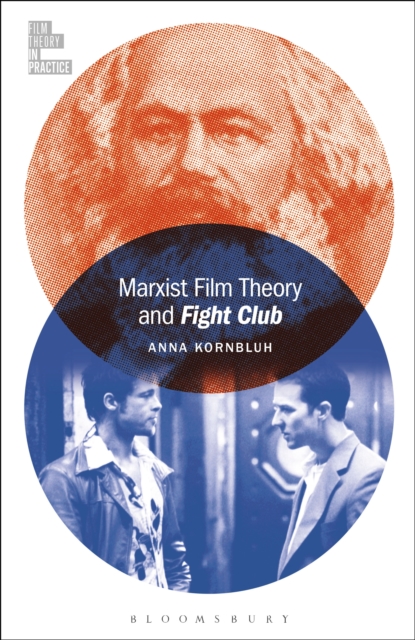
Anna Kornbluh provides an overview of Marxist approaches to film, with particular attention to three central concepts in Marxist theory in general that have special bearing on film: "e;the mode of production,"e; "e;ideology,"e; and "e;mediation.
Anna Kornbluh provides an overview of Marxist approaches to film, with particular attention to three central concepts in Marxist theory in general that have special bearing on film: "e;the mode of production,"e; "e;ideology,"e; and "e;mediation.
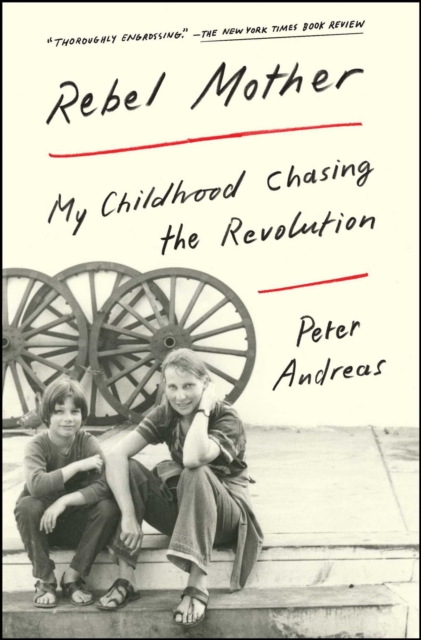
';Those who enjoyed Jeannette Walls's The Glass Castle will find much to admire' (Booklist, starred review) in this ';thoroughly engrossing' (The New York Times Book Review) memoir about a boy on the run with his mother, as she abducts him to Latin America in search of the revolution.
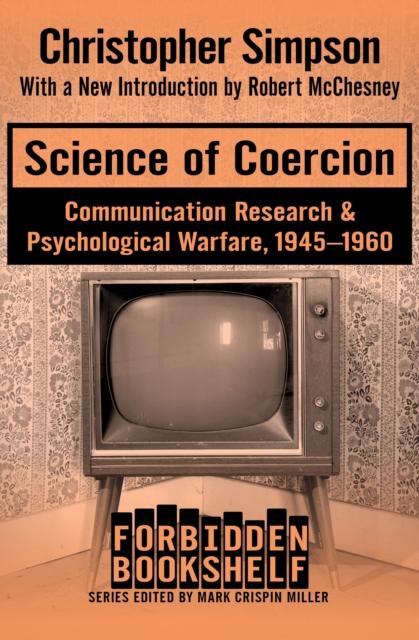
A provocative and eye-opening study of the essential role the US military and the Central Intelligence Agency played in the advancement of communication studies during the Cold War era, now with a new introduction by Robert W.
De-Stalinization and the House of Culture (1990) looks at the houses of culture - arts centres which in the Stalinist period functioned as agencies of political socialisation - and the changes in their character and functions since Stalin's death.
This book tells the compelling story of Brother J, who became a Christian in North Korea, where such faith is forbidden, in the spring of 1996 through Gods Providence.
Although it never achieved national power, the CCF exerted a major influence on the shape of Canadian politics and kept the banner of democratic socialism flying in a hostile landscape.
In nine studies which make up this book Professor Skilling analyses the development of the communist systems in the various countries of Eastern Europe, with special emphasis on developments following the 22nd Congress in 1961.
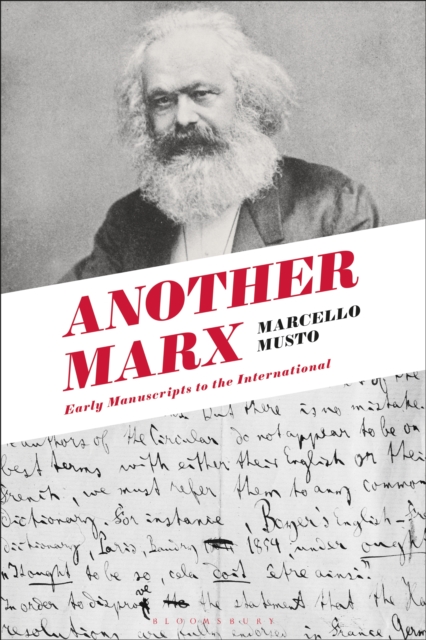
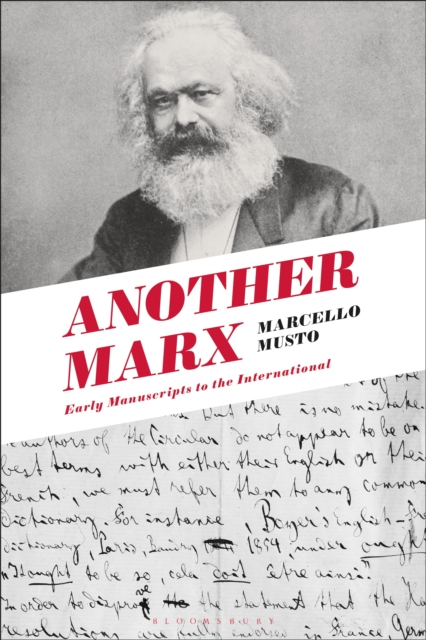
The prevailing view of Marx's early writings suggests that they comprise a set of disconnected works which share only the same author, that Marx was philosophically an idealist or Hegelian and politically a 'liberal' or 'democrat' throughout much of this period, and that he possessed no particular method of inquiry.
The League for Social Reconstruction was formed in 1932 to provide an analysis of the capitalist system and to define the social goal toward which political action should be directed.
There has been little analysis of the forces that have contributed to the rise of radicalism in Canada, or to the organizations that subsequently resulted.
When the Twentieth Century opened, socialist parties were already well established in Continental Europe and were just getting under way throughout the English-speaking world.
As we experience yet another deep economic recession, people throughout the world are feeling the symptoms of capitalist crisis, from unemployment to bankruptcy to deficits to cutbacks and so on.
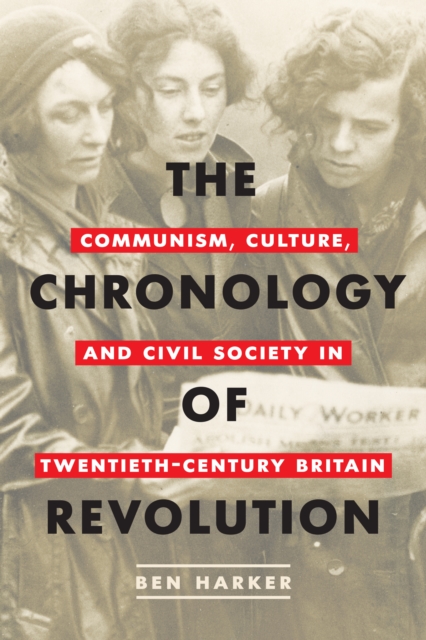
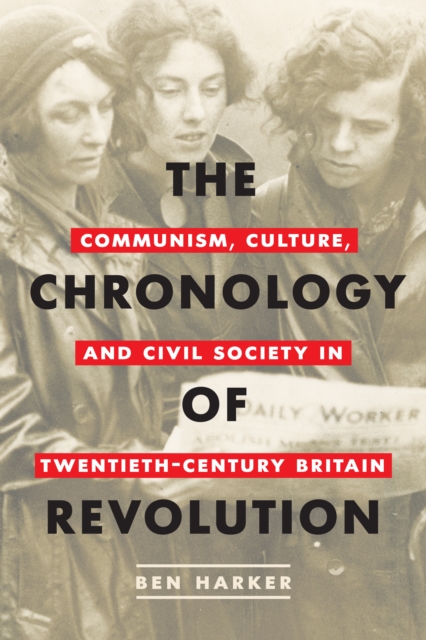
Based on a decade of research in over twenty archives, The Chronology of Revolution is an accessible and richly detailed work of historical and cultural analysis that fixes its gaze on the legacy of the Communist Party of Great Britain (CPGB).
Based on a decade of research in over twenty archives, The Chronology of Revolution is an accessible and richly detailed work of historical and cultural analysis that fixes its gaze on the legacy of the Communist Party of Great Britain (CPGB).
The Education of a Russian Statesman: The Memoirs of Nicholas Karlovich Giers offers a fascinating glimpse into the life and career of one of Russia's most influential diplomats.
Communism in Europe: Continuity, Change, and the Sino-Soviet Dispute, Volume 1 focuses on the great changes in European communism and the role of several European Communist parties in Sino-Soviet rift.
Secondary School Graduation: University Entrance Qualification in Socialist Countries: A Comparative Study compares the qualifications of secondary school students for university entrance in five socialist states (Czechoslovakia, German Democratic Republic, Poland, Romania, and USSR).
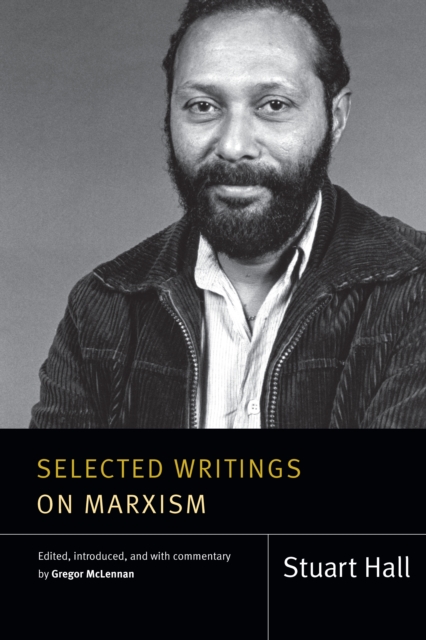
Throughout his career Stuart Hall engaged with Marxism in varying ways, actively rethinking it to address the political and cultural exigencies of the moment.
From the author of the 'great' (Dolly Alderton), 'terrific' (Zadie Smith) The New Me, comes a subversive, hilarious portrait of two colleagues, each more like the other than they would care to admit.
WINNER OF THE CRIME WRITERS' ASSOCIATION GOLD DAGGER FOR NON-FICTION 2017'In its tragic absurdity, Close But No Cigar reads like a Graham Greene story, with a cast of characters to make Hemingway proud' Daily TelegraphFor over a decade Stephen Purvis had been a pillar of Havana's expat community, one of many foreign businessmen investing in Cuba's crawl from Cold War communism towards modernity.
The transition from communist dictatorship to multi-party democracy has proved a long and painful process for the countries of Eastern Europe, and has met with varying degrees of success.
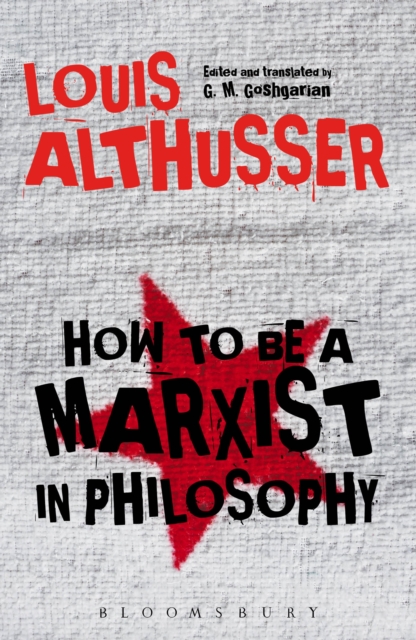
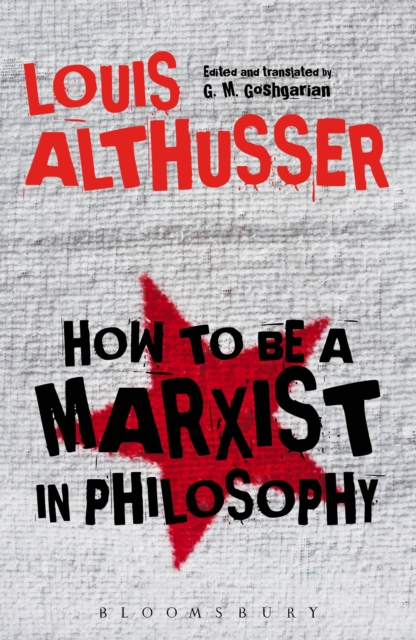
In How to Be a Marxist in Philosophy one of the most famous Marxist philosophers of the 20th century shares his concept of what it means to function fruitfully as a political thinker within the discipline and environs of philosophy.
In How to Be a Marxist in Philosophy one of the most famous Marxist philosophers of the 20th century shares his concept of what it means to function fruitfully as a political thinker within the discipline and environs of philosophy.
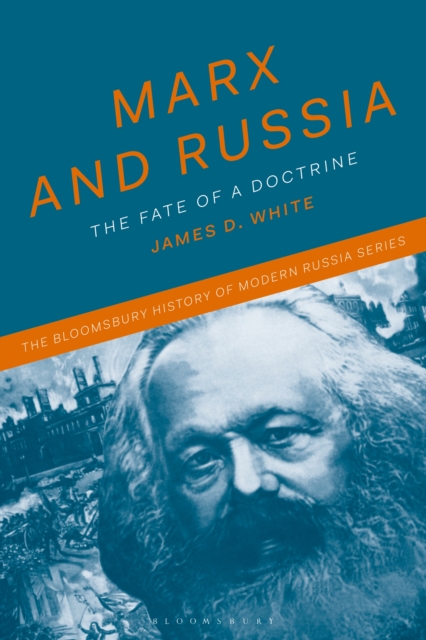
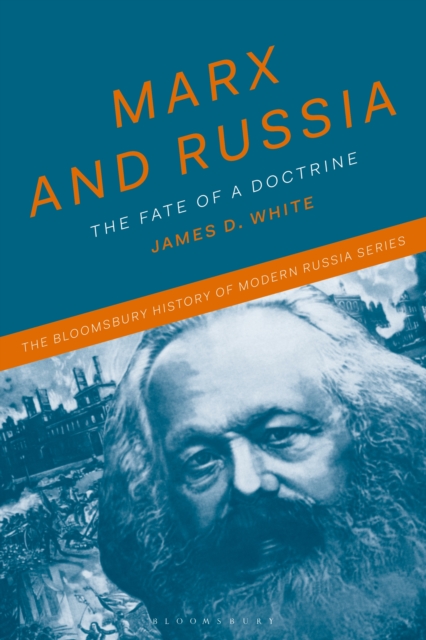
Marx and Russia is a chronological account of the evolution of Marxist thought from the publication of Das Kapital in Russian translation to the suppression of independent ideological currents by Stalin at the end of the 1920s.
Marx and Russia is a chronological account of the evolution of Marxist thought from the publication of Das Kapital in Russian translation to the suppression of independent ideological currents by Stalin at the end of the 1920s.
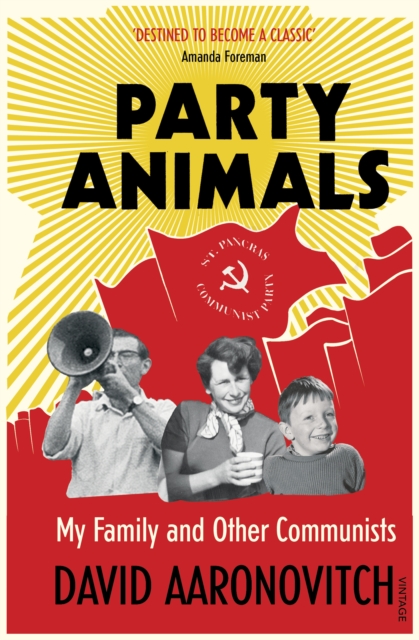
SHORTLISTED FOR THE SLIGHTLY FOXED BEST FIRST BIOGRAPHY AWARDDavid Aaronovitch grew up in Communist Great Britain a Britain hidden from view for most, but for those on the inside it was a life filled with picket lines, militant trade unions, solidarity rallies for foreign Communists, the Red Army Choir, copies of the Daily Worker, all underpinned by a quiet love of the Soviet Union.