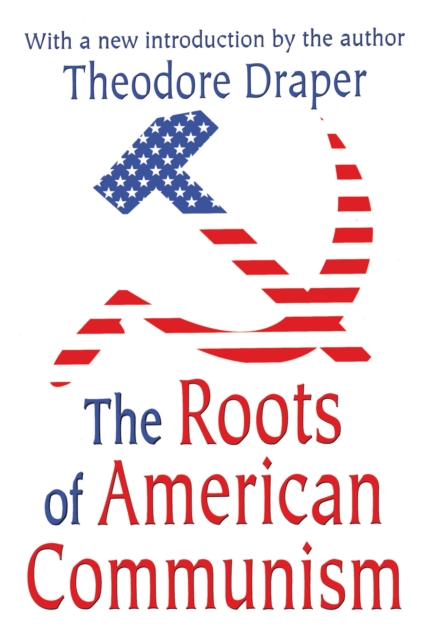
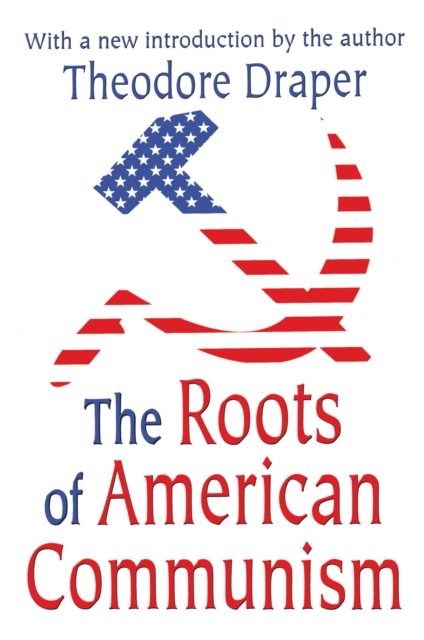
In this definitive history of the evolution of the Com- munist Party in America--from its early background through its founding in 1919 to its emergence as a legal entity in the 1920s--Theodore Draper traces the native and foreign strains that comprised the party.
In this definitive history of the evolution of the Com- munist Party in America--from its early background through its founding in 1919 to its emergence as a legal entity in the 1920s--Theodore Draper traces the native and foreign strains that comprised the party.
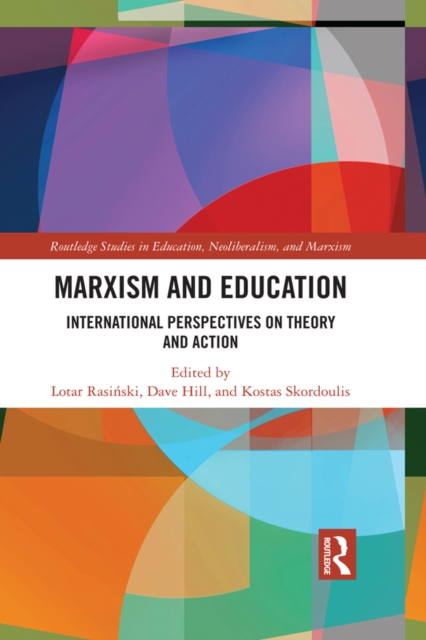
Marxism and Education offers contemporary Marxist analyses of recent and current education policy, and develops Marxist-based practices of resistance from a series of national and international perspectives.
Marxism and Education offers contemporary Marxist analyses of recent and current education policy, and develops Marxist-based practices of resistance from a series of national and international perspectives.
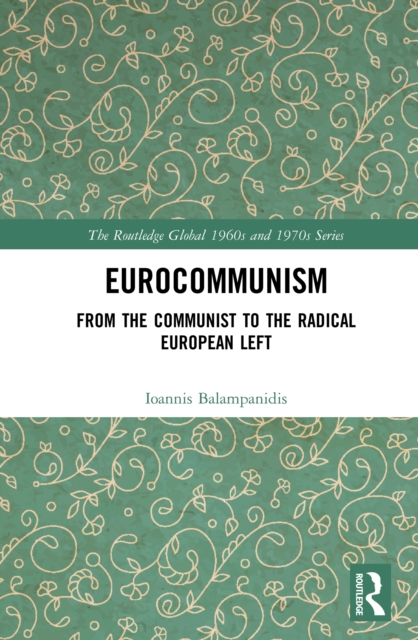
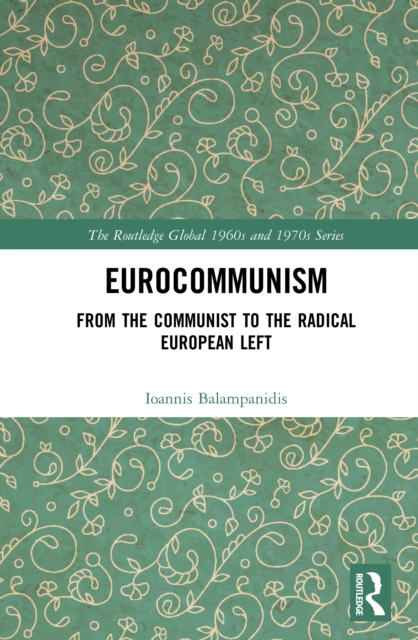
Eurocommunism constitutes a "e;moment"e; of great transformation connecting the past and the present of the European Left, a political project by means of which left-wing politics in Europe effected a definitive transition to a thoroughly different paradigm.
Eurocommunism constitutes a "e;moment"e; of great transformation connecting the past and the present of the European Left, a political project by means of which left-wing politics in Europe effected a definitive transition to a thoroughly different paradigm.
Revolutionary Desires examines the lives and subjectivities of militant-nationalist and communist women in India from the late 1920s, shortly after the communist movement took root, to the 1960s, when it fractured.
A comparative study of the political economy of the transition from communism in East and Southeast Asian countries (China, North Korea, Vietnam, Laos and Cambodia), addressing the key theoretical questions generated from the debate between shock-therapists and gradualists.
A comparative study of the political economy of the transition from communism in East and Southeast Asian countries (China, North Korea, Vietnam, Laos and Cambodia), addressing the key theoretical questions generated from the debate between shock-therapists and gradualists.
Memory has taken centre stage in European-level policies after the Cold War, as the Western historical narrative based on the uniqueness of the Holocaust was being challenged by calls for an equal condemnation of Communism and Nazism.
While there has been much focus in recent times on the rise of right-wing populism in Europe, there has been surprisingly little material on the phenomenon of left-wing populism.
While there has been much focus in recent times on the rise of right-wing populism in Europe, there has been surprisingly little material on the phenomenon of left-wing populism.
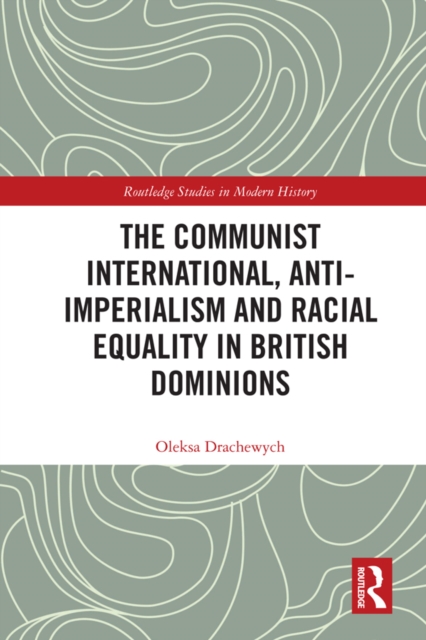
This book analyzes the stance of international communism towards nationality, anti-colonialism, and racial equality as defined by the Communist International (Comintern) during the interwar period.
This book analyzes the stance of international communism towards nationality, anti-colonialism, and racial equality as defined by the Communist International (Comintern) during the interwar period.
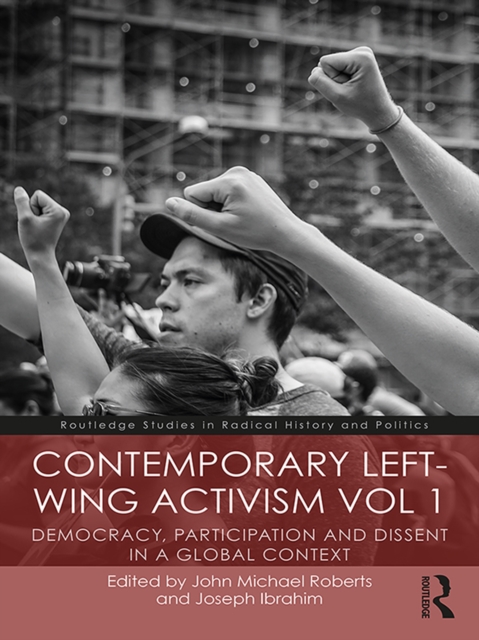
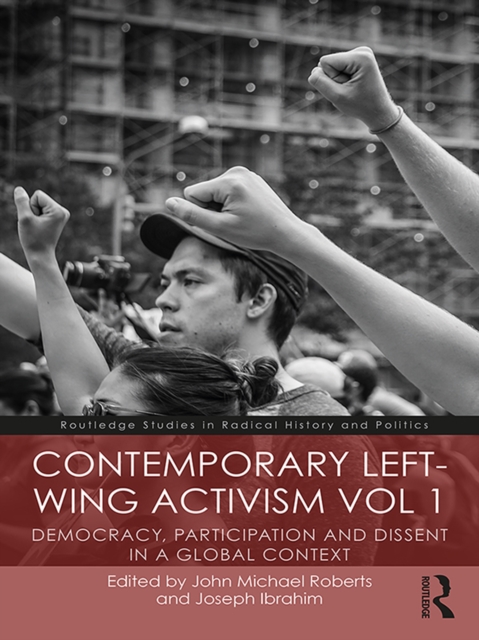
Within many societies across the world, new social and political movements have sprung up that either challenge formal parliamentary structures of democracy and participation, or work within them and, in the process, fundamentally alter the ideological content of democratic potentials.
Within many societies across the world, new social and political movements have sprung up that either challenge formal parliamentary structures of democracy and participation, or work within them and, in the process, fundamentally alter the ideological content of democratic potentials.
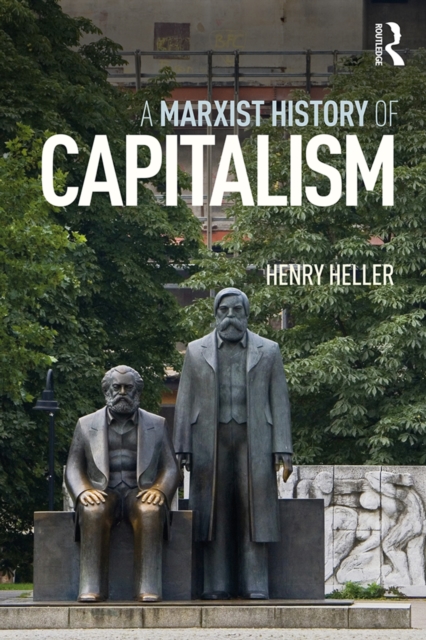
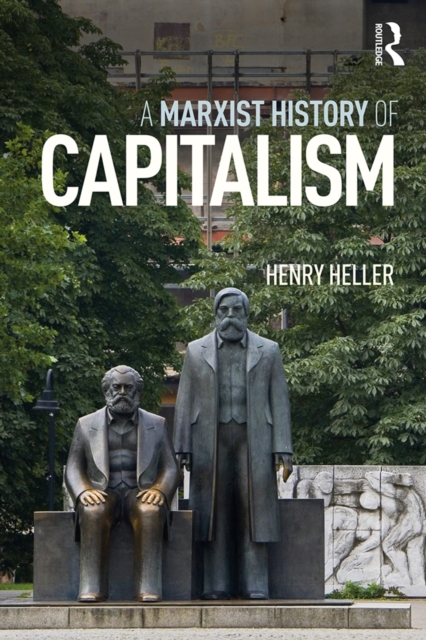
Henry Heller's short account of the history of capitalism combines Marx's economic and political thought with contemporary scholarship to shed light on the current capitalist crisis.
Henry Heller's short account of the history of capitalism combines Marx's economic and political thought with contemporary scholarship to shed light on the current capitalist crisis.
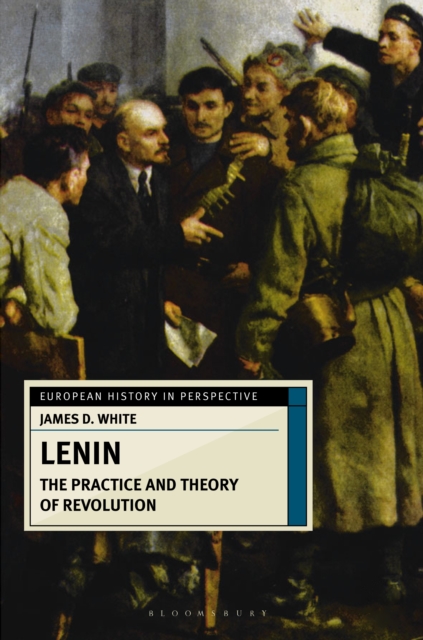
A political and intellectual biographical study of Lenin which focuses on those aspects of his thought and political activities that had a bearing on the accession of the Bolsheviks to power in Russia in 1917 and the creation of the Soviet state.
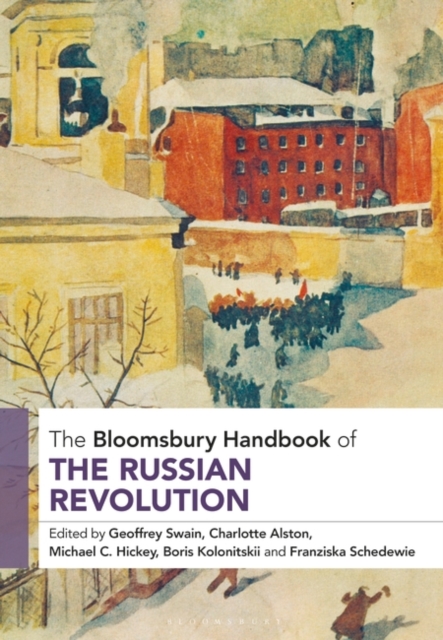
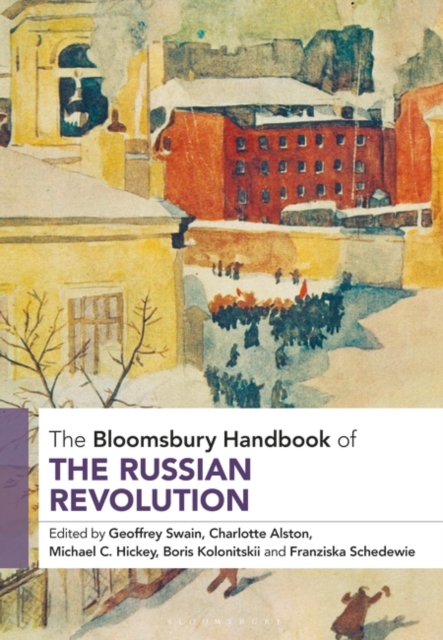
Through 30 interpretative essays, The Bloomsbury Handbook of the Russian Revolution sees an international team of leading scholars comprehensively examine Russia's revolutionary years.
Through 30 interpretative essays, The Bloomsbury Handbook of the Russian Revolution sees an international team of leading scholars comprehensively examine Russia's revolutionary years.
This book celebrates and seeks to understand the overlooked appearances of hybrid forms in visual culture; artefacts and practices that meld or interweave incongruous elements in innovative ways.
This book celebrates and seeks to understand the overlooked appearances of hybrid forms in visual culture; artefacts and practices that meld or interweave incongruous elements in innovative ways.
While Adorno has tended to be read as a critic of the administered world and the consumer industry rather than a Marxist, Adorno and Marx establishes Adorno's negative dialectics as fundamental for understanding Marx's critique of political economy.
While Adorno has tended to be read as a critic of the administered world and the consumer industry rather than a Marxist, Adorno and Marx establishes Adorno's negative dialectics as fundamental for understanding Marx's critique of political economy.
Exploring the connections between Walter Benjamin's philosophy of history and a Marxian Critique of Political Economy, Duy Lap Nguyen analyses Benjamin's early writings and their development into a distinct understanding of historical materialism.
Exploring the connections between Walter Benjamin's philosophy of history and a Marxian Critique of Political Economy, Duy Lap Nguyen analyses Benjamin's early writings and their development into a distinct understanding of historical materialism.
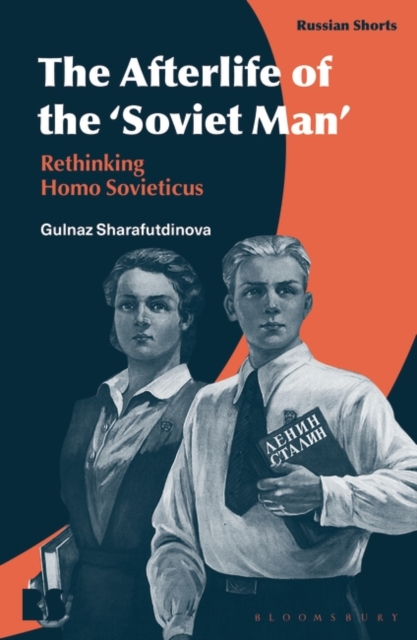
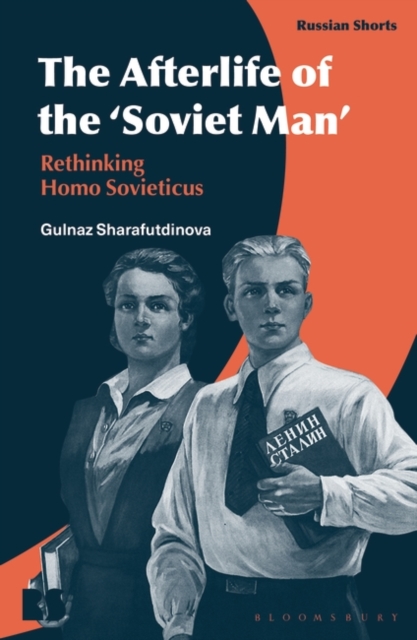
Almost three decades after the collapse of the Soviet Union, today more often than ever, global media and intellectuals rely on the concept of homo sovieticus to explain Russia's authoritarian ills.
Almost three decades after the collapse of the Soviet Union, today more often than ever, global media and intellectuals rely on the concept of homo sovieticus to explain Russia's authoritarian ills.