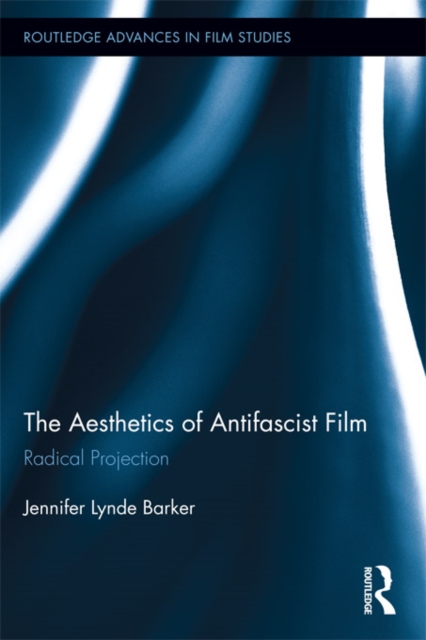
Through a series of detailed film case histories ranging from The Great Dictator to Hiroshima mon amour to The Lives of Others, The Aesthetics of Antifascist Film: Radical Projection explores the genesis and recurrence of antifascist aesthetics as it manifests in the WWII, Cold War and Post-Wall historical periods.
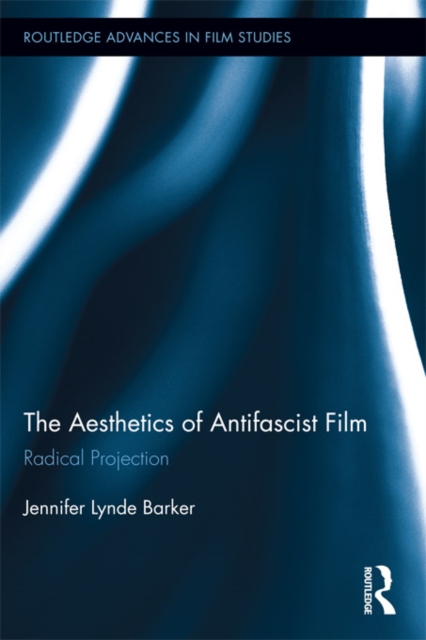
Through a series of detailed film case histories ranging from The Great Dictator to Hiroshima mon amour to The Lives of Others, The Aesthetics of Antifascist Film: Radical Projection explores the genesis and recurrence of antifascist aesthetics as it manifests in the WWII, Cold War and Post-Wall historical periods.
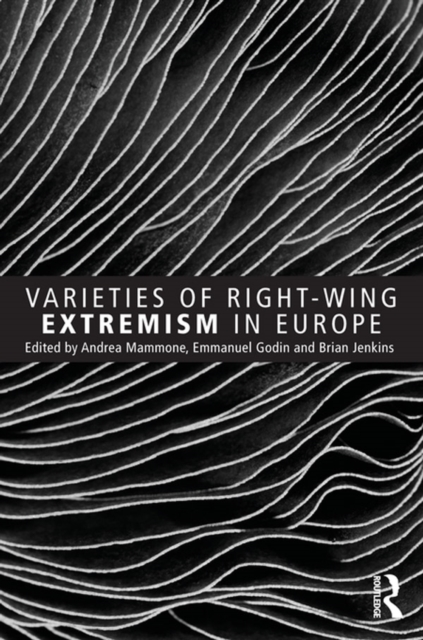
Beginning with an analysis of the complex relationship between fascism and the post-war extreme right, the book discusses both contemporary parties and the cultural and intellectual influences of the European New Right as well as patterns of socialization and mobilization.
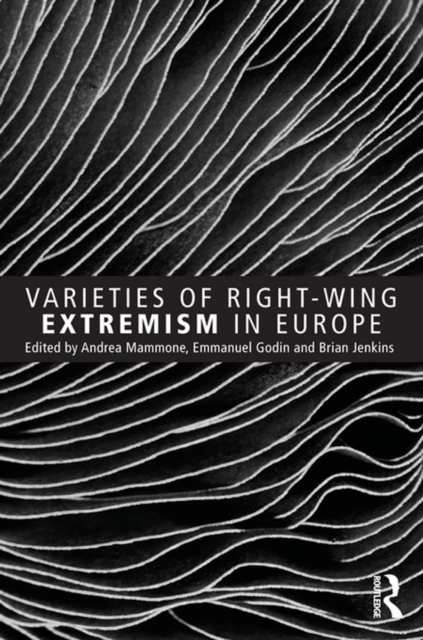
Beginning with an analysis of the complex relationship between fascism and the post-war extreme right, the book discusses both contemporary parties and the cultural and intellectual influences of the European New Right as well as patterns of socialization and mobilization.
One of the most significant events in European politics the past two decades is the emergence of radical right-wing parties, mobilizing against immigration and multiethnic societies.
One of the most significant events in European politics the past two decades is the emergence of radical right-wing parties, mobilizing against immigration and multiethnic societies.
The Nature of Fascism draws on the history of ideas as well as on political, social and psychological theory to produce a synthesis of ideas and approaches that will be invaluable for students.
The Nature of Fascism draws on the history of ideas as well as on political, social and psychological theory to produce a synthesis of ideas and approaches that will be invaluable for students.
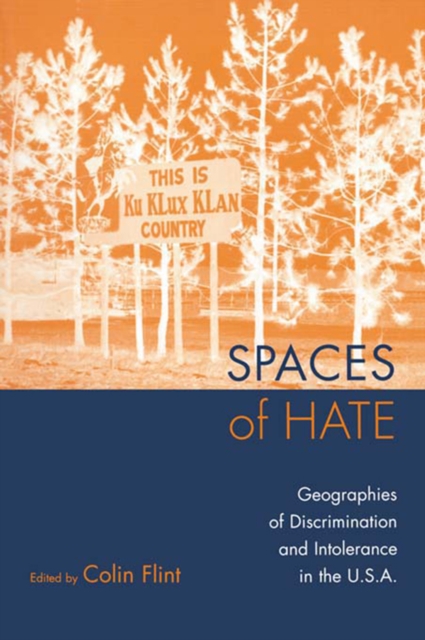
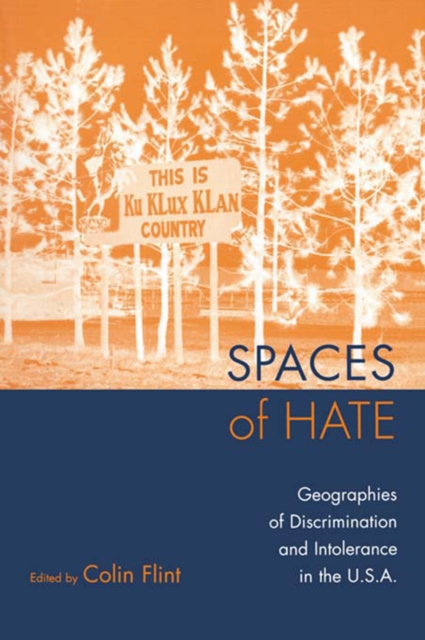
Covering everything from hate groups and extremist exploits to Black church arsons and the fall out violence from 9/11; this is an important collection that sheds much-needed light on this growing problem.
Covering everything from hate groups and extremist exploits to Black church arsons and the fall out violence from 9/11; this is an important collection that sheds much-needed light on this growing problem.
This book focuses on the philosophy, politics and impact of the 'New Right' which originated in France and has since influenced activism, ideology and policy in a number of European countries.
This book focuses on the philosophy, politics and impact of the 'New Right' which originated in France and has since influenced activism, ideology and policy in a number of European countries.
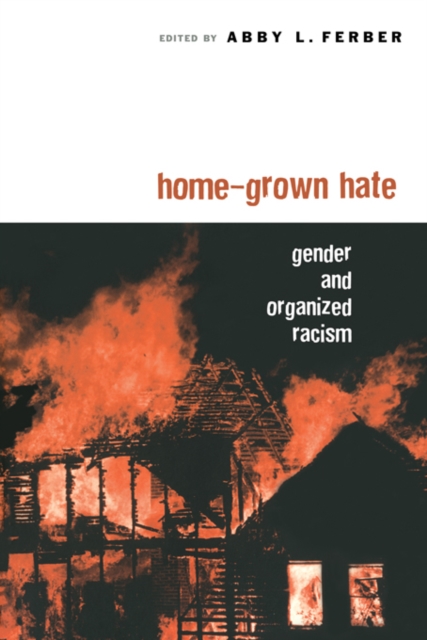
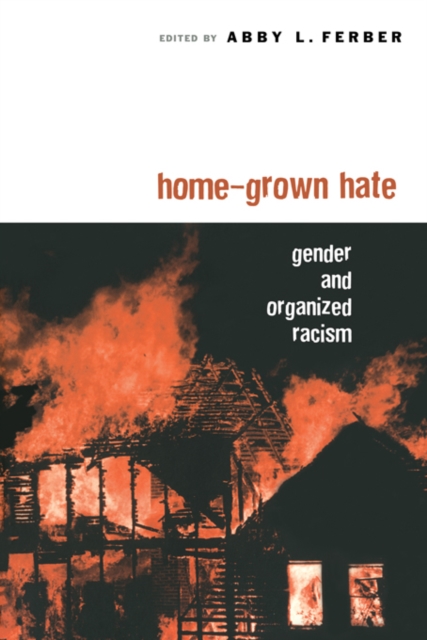
The top names in the field come together in this collection with original essays that explore the link between gender and racism in a variety of racial and white supremacy organizations, including white separatists, the Christian right, the militia/patriot movements, skinheads, and more.
The top names in the field come together in this collection with original essays that explore the link between gender and racism in a variety of racial and white supremacy organizations, including white separatists, the Christian right, the militia/patriot movements, skinheads, and more.
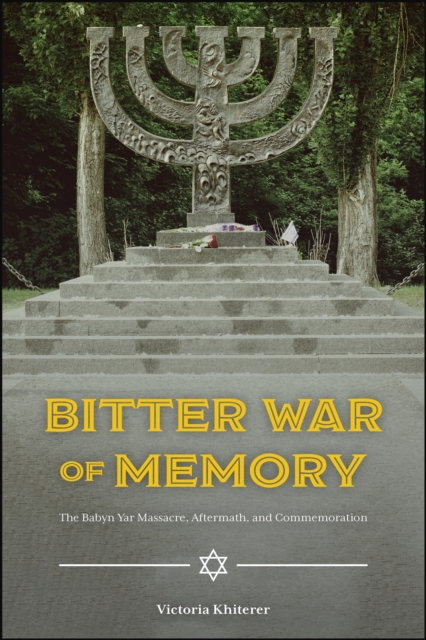
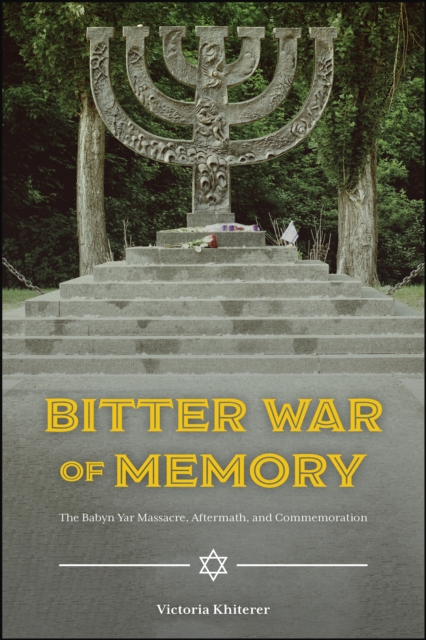
Bitter War of Memory: The Babyn Yar Massacre, Aftermath, and Commemoration discusses the Holocaust in Kyiv and the efforts to memorialize the Babyn Yar massacre.
First published in 1983, this book reports on the results of a survey in thirteen areas of England where the National Front (NF) had previously gained significant levels of electoral support and examines the social and political histories of these areas to reveal not only who and was voting for the NF in the 1970s but also why.
First published in 1983, this book reports on the results of a survey in thirteen areas of England where the National Front (NF) had previously gained significant levels of electoral support and examines the social and political histories of these areas to reveal not only who and was voting for the NF in the 1970s but also why.
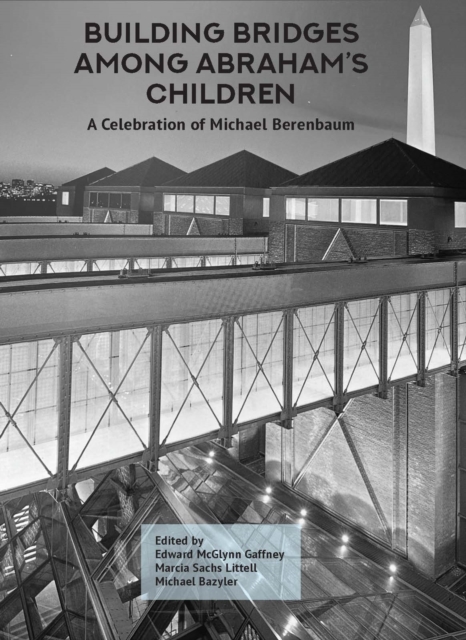
Building Bridges Among Abrahams Children honors the extraordinary career of Professor Michael Berenbaum, a luminary in Holocaust studies, museum design, filmmaking, and interfaith dialogue.
While much has been written about hate groups and extreme right political movements, this book will be the first that addresses the crucial role that place and context play in generating and shaping them.
While much has been written about hate groups and extreme right political movements, this book will be the first that addresses the crucial role that place and context play in generating and shaping them.
Bitter War of Memory: The Babyn Yar Massacre, Aftermath, and Commemoration discusses the Holocaust in Kyiv and the efforts to memorialize the Babyn Yar massacre.
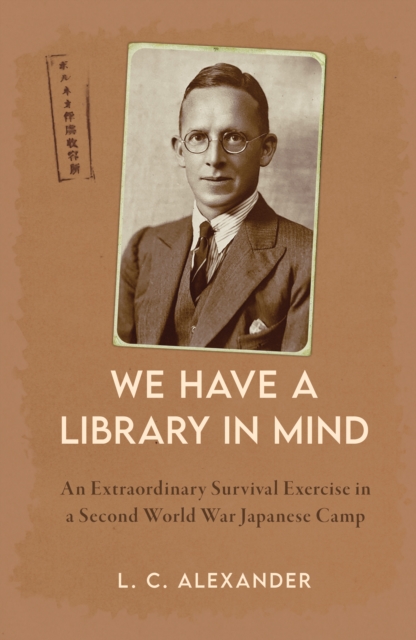
The Imperial War Museum archived Anthony Smelt's personal papers because he spent three years of the Second World War interned in Batu Lintang, a camp in Borneo.
The essays that comprise this study of 20th-century fascism shift the focus away from the German and Italian models and towards the influence of fascist ideology within other countries.
The essays that comprise this study of 20th-century fascism shift the focus away from the German and Italian models and towards the influence of fascist ideology within other countries.
The Western tradition of the constitutional state, with its ancient roots, defines political extremes as the epitome of that what must be absolutely rejected.
The Western tradition of the constitutional state, with its ancient roots, defines political extremes as the epitome of that what must be absolutely rejected.
Fascism and Political Theory offers both students and researchers a thematic analysis of fascism, focusing on the structural and ideological links between fascism, capitalism and modernity.
Fascism and Political Theory offers both students and researchers a thematic analysis of fascism, focusing on the structural and ideological links between fascism, capitalism and modernity.
This first volume in a new series comprises nine contributions originally presented at a workshop supported by the Norwegian Ministry of Foreign Affairs in Berlin in August, 1994.
This first volume in a new series comprises nine contributions originally presented at a workshop supported by the Norwegian Ministry of Foreign Affairs in Berlin in August, 1994.