A reinterpretation of the British Army's conduct in the crucial 1944-45 Northwest Europe campaign, this work examines systematically the Colossal Cracks operational technique employed by Montgomery's Anglo-Canadian 21st Army Group and demonstrates the key significance that morale and casualty concerns exerted on this technique.
Because the Holocaust, at its core, was an extreme expression of a devastating racism, the author contends it has special significance for African Americans.
Remaking the Conquering Heroes shows that American policymakers and Army officers had to confront and take control over a lawless US military in the aftermath of World War II.
From belligerent to neutral countries, the civilian war economy that developed from 1939 to 1945 created the foundations for the postwar welfare state.
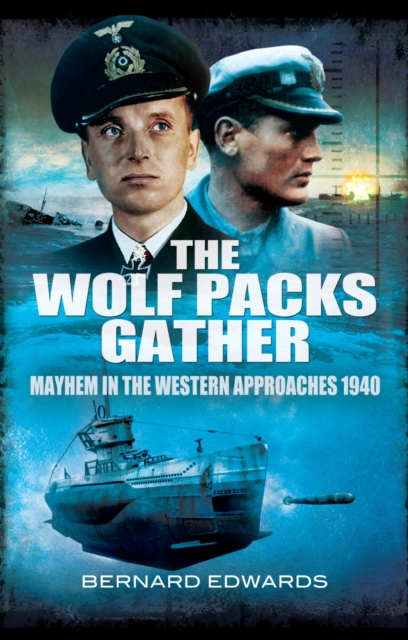
The capture by the German surface raider Atlantis of the British steamer City of Baghdads secret code books in July 1940 enabled the Nazis to de-cypher Admiralty convoy plans with deadly effect.
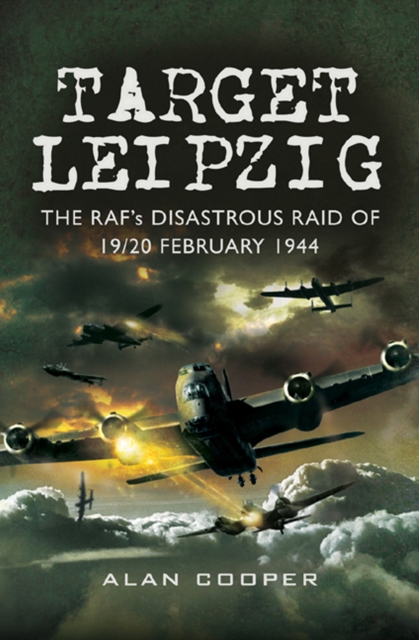
A gripping account of the RAF's attempt to destroy a Messerschmitt factory in 1944, and the carnage and confusion that unfolded on a dark winter night.
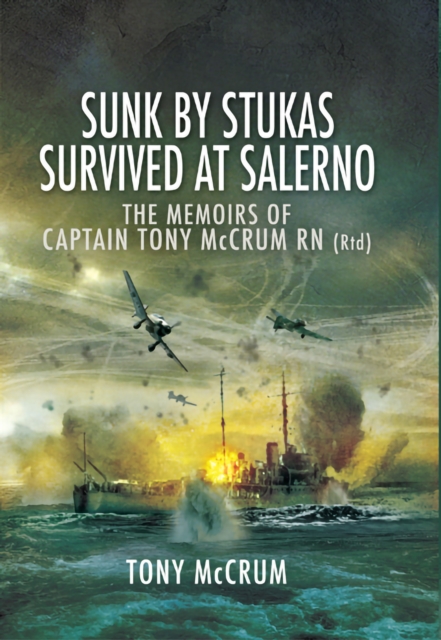
Tony McCrum was born in Portsmouth in 1919, the second son of a naval lieutenant and a mother who came from a line of naval officers that stretched back to and beyond Trafalgar.
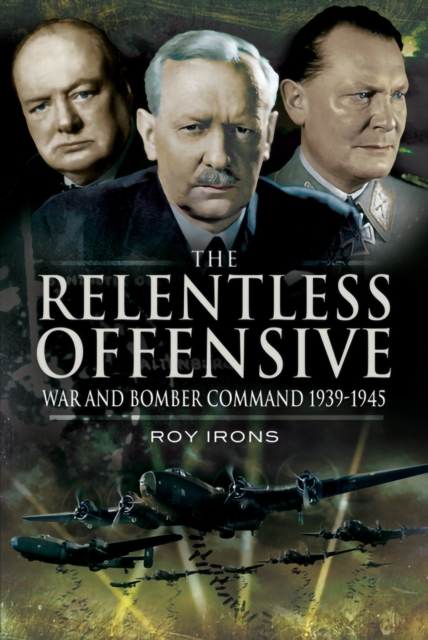
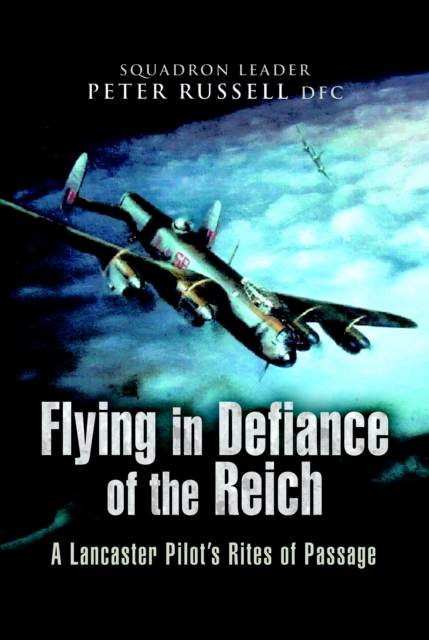
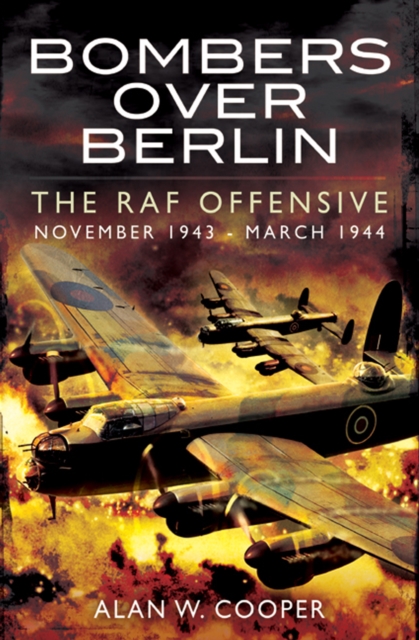
During the years before World War II, the Royal Air Force, created amid the bloodshed of the Great War, saw salvation in the doctrine of a relentless offensive by a bomber force which would sail over trenches and then on to the enemy cities and annihilate the ability of the enemy to wage war.
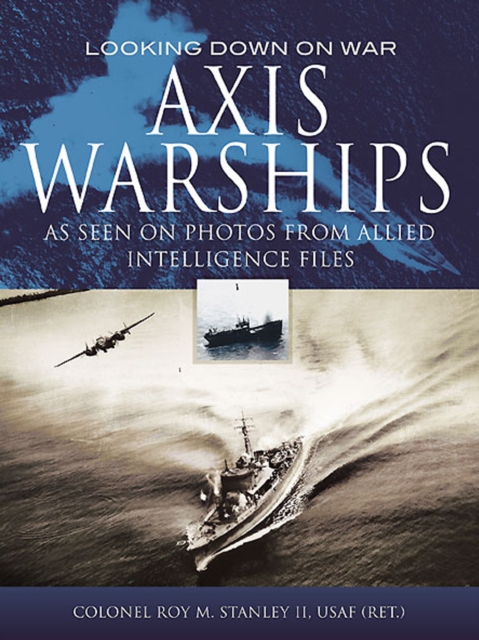
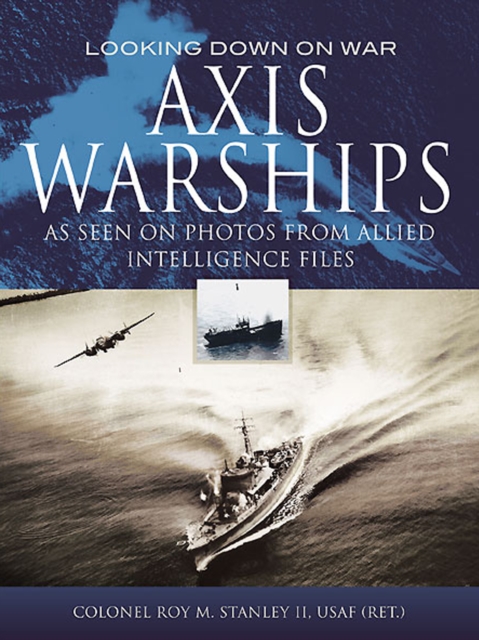
For his latest book Colonel Roy Stanley presents aerial photographs of the German and Italian fleets that were selected as important six decades ago and have long lain dormant, unindexed and unexplained.
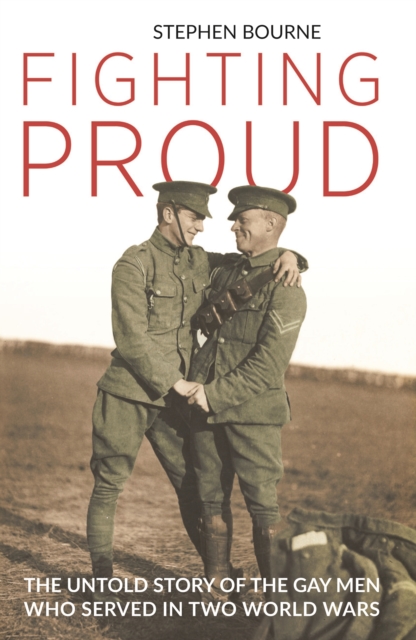
In this astonishing new history of wartime Britain, historian Stephen Bourne unearths the fascinating stories of the gay men who served in the armed forces and at home, and brings to light the great unheralded contribution they made to the war effort.
In this astonishing new history of wartime Britain, historian Stephen Bourne unearths the fascinating stories of the gay men who served in the armed forces and at home, and brings to light the great unheralded contribution they made to the war effort.
'You couldn't make these stories up: yet they're true, and Lewis does the memory of these extraordinary men full justice in a tale that is both heart-stopping and moving' Evening Standard'Suicidal bravery, untold moral courage and awe-inspiring survival.
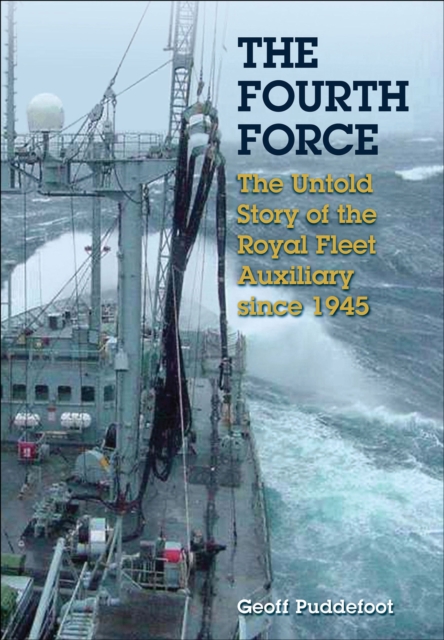
Set up in August 1905, the Royal Fleet Auxiliary was originally a logistic support organization, part of the Navy proper but run on civilian lines, comprising a miscellaneous and very unglamorous collection of colliers, store ships and harbor craft.
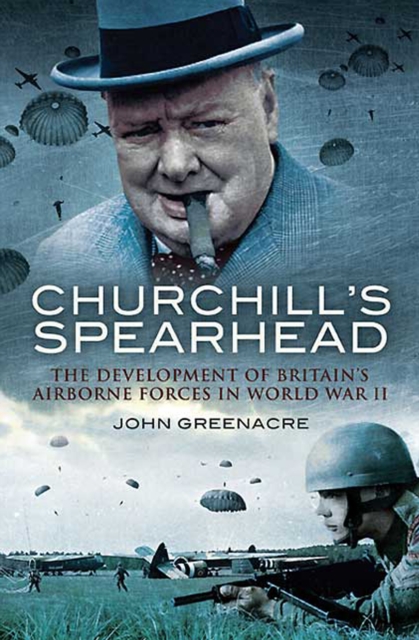
This book covers the inception, growth and employment of Britains airborne forces (parachute and glider-borne formations) between June 1940 and March 1945.
The capture by the German surface raider Atlantis of the British steamer City of Baghdads secret code books in July 1940 enabled the Nazis to de-cypher Admiralty convoy plans with deadly effect.
For his latest book Colonel Roy Stanley presents aerial photographs of the German and Italian fleets that were selected as important six decades ago and have long lain dormant, unindexed and unexplained.
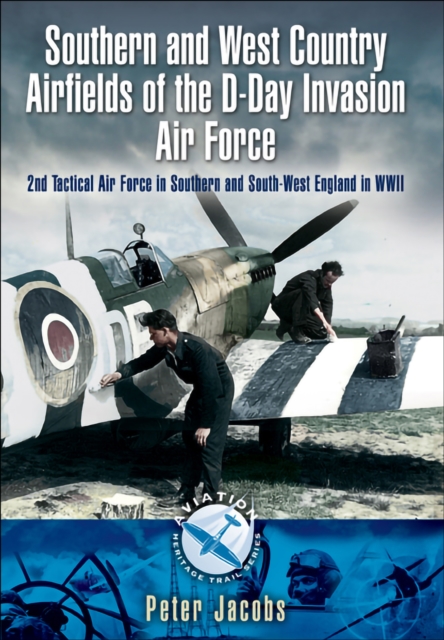
"e;As part of the Aviation Heritage Trail series, the airfields and interest in this book are concentrated in a particular area in this case West Sussex, Hampshire, Dorset, Wiltshire and Cornwall.
First published to acclaim in 1985, this book is set to be a timely release, in line with the 70th Anniversary of the outset of the Raids, near approaching in November 2013.
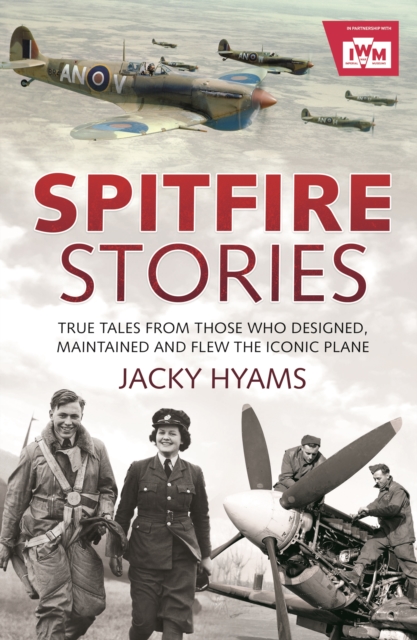
Spitfire Stories, published in association with Imperial War Museums, is a fascinating anthology of first-hand stories from Spitfire heroes and heroines of the Second World War.
This book explores the origins, development, combat use and lasting influence of Nazi Germany's automatic rifles, focusing on the Gew 41(W), Gew 43/Kar 43, FG 42 and MP 43/StG 44.
This book explores the origins, development, combat use and lasting influence of Nazi Germany's automatic rifles, focusing on the Gew 41(W), Gew 43/Kar 43, FG 42 and MP 43/StG 44.
The companion volume to the groundbreaking TV series, this book tells the story of the physical, emotional and psychological journey of Allied soldiers from the beaches of Normandy to the ruins of Berlin.
The companion volume to the groundbreaking TV series, this book tells the story of the physical, emotional and psychological journey of Allied soldiers from the beaches of Normandy to the ruins of Berlin.
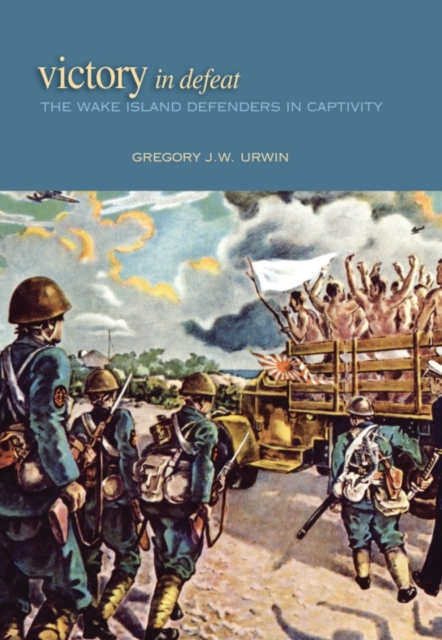
Told here for the first time in vivid detail is the story of the defenders of Wake Island following their surrender to the Japanese on December 23, 1941.