My Seven Lives is the English translation of the best-selling memoir of Slovak journalist Agnesa Kalinova (1924-2014): Holocaust survivor, film critic, translator, and political prisoner.
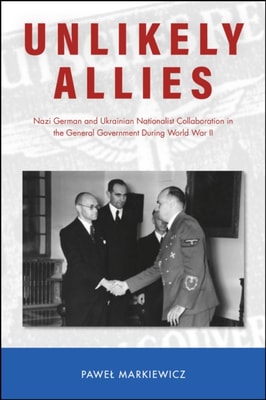
Unlikely Allies offers the first comprehensive and scholarly English-language analysis of German-Ukrainian collaboration in the General Government, an area of occupied Poland during World War II.
Unlikely Allies offers the first comprehensive and scholarly English-language analysis of German-Ukrainian collaboration in the General Government, an area of occupied Poland during World War II.
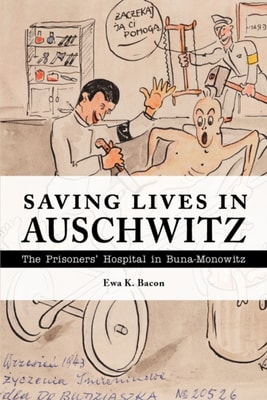
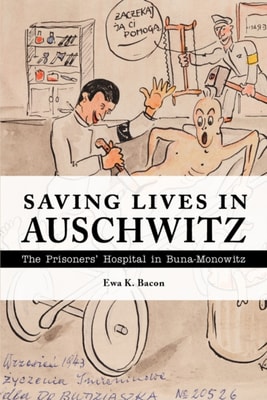
In a 1941 Nazi roundup of educated Poles, Stefan Budziaszek-newly graduated from medical school in Krakow-was incarcerated in the Krakow Montelupich Prison and transferred to the Auschwitz concentration camp in February 1942.
In a 1941 Nazi roundup of educated Poles, Stefan Budziaszek-newly graduated from medical school in Krakow-was incarcerated in the Krakow Montelupich Prison and transferred to the Auschwitz concentration camp in February 1942.
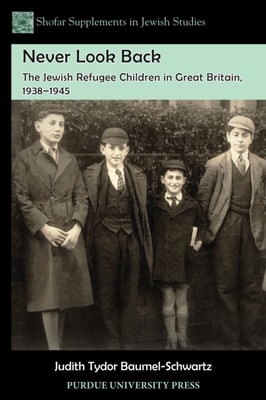
Between December 1938 and September 1939, nearly ten thousand refugee children from Central Europe, mostly Jewish, found refuge from Nazism in Great Britain.
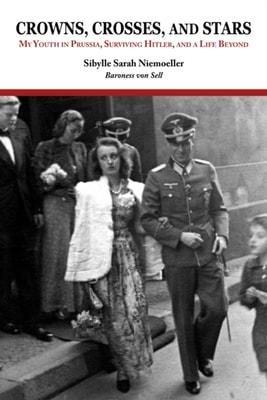
This is the story of a remarkable life and a journey, from the privileged world of Prussian aristocracy, through the horrors of World War II, to high society in the television age of postwar America.
This book explores the diverse range of practical and theoretical challenges and possibilities that digital technologies and platforms pose for Holocaust memory, education and research.
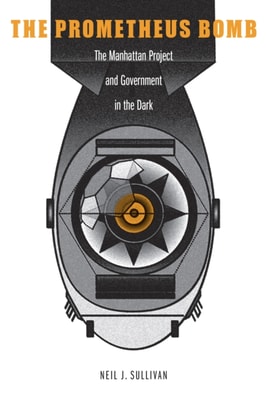
During World War II, the lives of millions of Americans lay precariously in the hands of a few brilliant scientists who raced to develop the first weapon of mass destruction.
During World War II, the lives of millions of Americans lay precariously in the hands of a few brilliant scientists who raced to develop the first weapon of mass destruction.
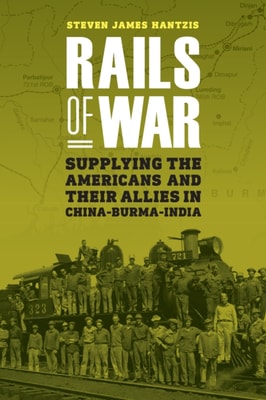
In a theater of war long forgotten and barely even known at the time, James Harry Hantzis and his fellow soldiers labored at a thankless task under oppressive conditions.
"e;A fascinating account"e; of the secret Virginia facility code-named PO Box 1142, where the US gathered intelligence and interrogated German prisoners (Journal of Counterterrorism & Homeland Security International).
The creation and intense training regimens of the British Special Operations Executive and the American Office of Strategic Services leading into WWII.
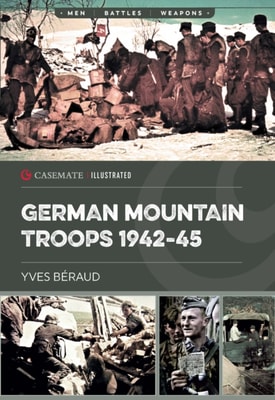
"e;The author does a terrific job of outlining the many campaigns and areas where the German Mountain troops fought throughout the war, and the unique challenges that some of these areas brought.
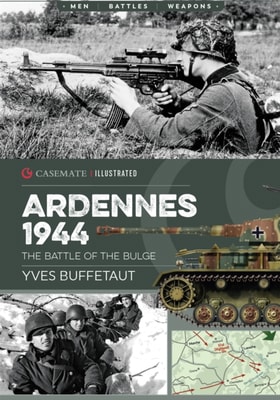
German army deficiencies are often cited as the reason for the failure of the German counteroffensive in the Ardennes region of France, Belgium and Luxembourg in December of 1944 to January 1945 which the Germans called Operation Wacht am Rhein, the Allies named the Ardennes Counteroffensive, and was also commonly known as the Battle of the Bulge.
The Ghost Army of World War II describes a perfect example of a little-known, highly imaginative, and daring maneuver that helped open the way for the final drive to Germany.
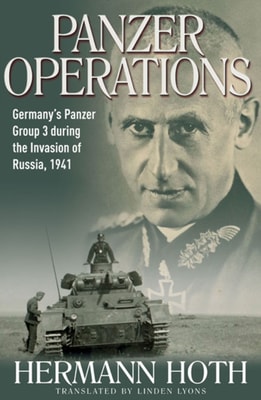
Throughout the Second World War, a shift occurred in the composition of the large armored units of armies which lead to an increase in the power of their tanks in particular.
"e;A provocative, arresting, put-you-there account of a forgotten 1940s Army basketball team that we now realize shouldn't be forgotten"e; (Lars Anderson, New York Times-bestselling author).
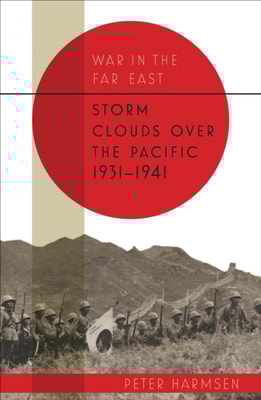
"e;An excellent primer about World War II in Asia prior to the involvement of the United States"e;-part one of a fascinating history trilogy (New York Journal of Books).