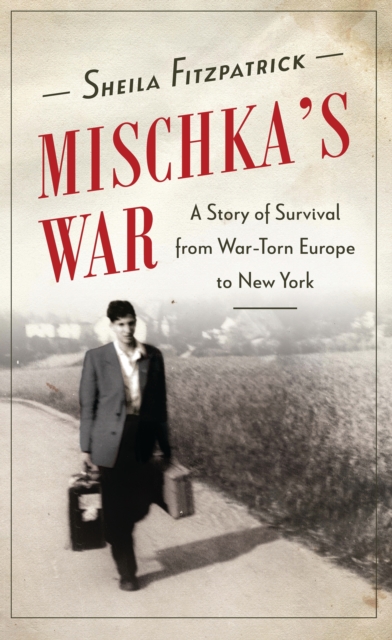
On a winter's day in 1943, 21-year-old Latvian Mischka Danos chanced on a terrible sight - a pit filled with the bodies of Jews killed by the occupying Germans.
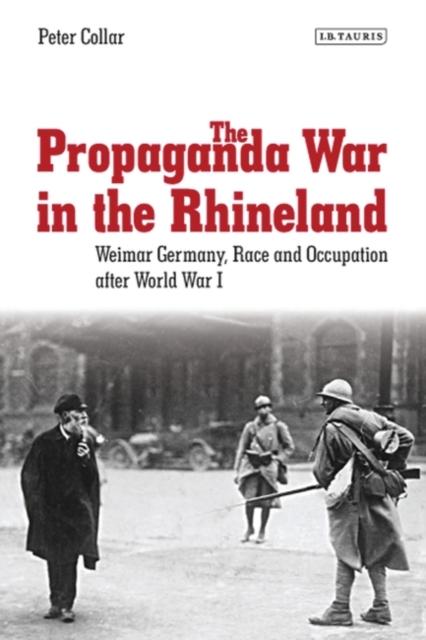
Piecing together a fractured European continent after World War I, the Versailles Peace Treaty stipulated the long term occupation of the Rhineland by Allied troops.
In the network of Nazi camps across wartime Europe, prisoner of war institutions were often located next to the slave camps for Jews and Slavs; so that British PoWs across occupied Europe, over 200,000 men, were witnesses to the holocaust.
In this classic account, Bernard Wasserstein draws on the files of the Shanghai Police as well as the intelligence archives of the many countries involved, to provide the definitive story of Shanghai's secret war.
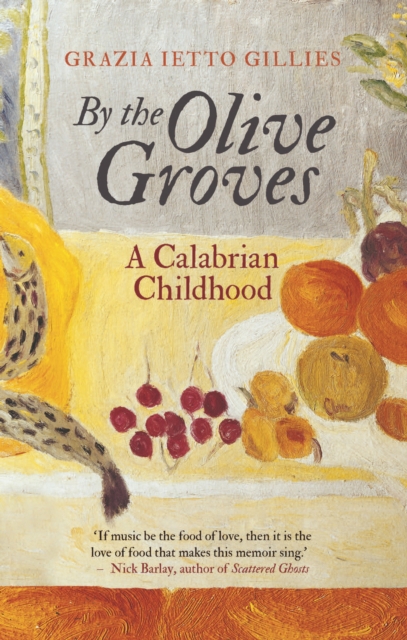
In 1939 a girl was born in the Aspromonte mountains of Calabria, a beautiful land steeped in history and suffused with tradition but weighed down by poverty and the 'Ndrangheta - Calabria's Mafia.
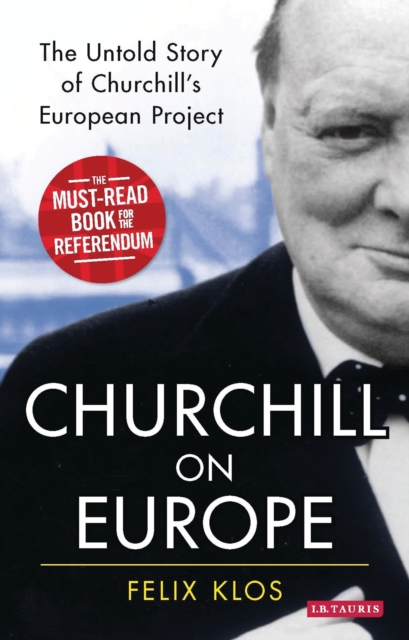
'When the Nazi power was broken, I asked myself what was the best advice I could give to my fellow citizens here in this island and across the channel in our ravaged continent.
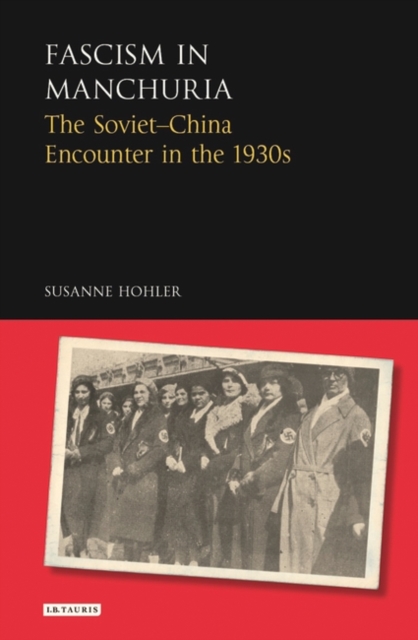
The history of the Russian fascist movement in Harbin, Manchuria during the 1930s has become increasingly relevant to our understanding of modern Russia.
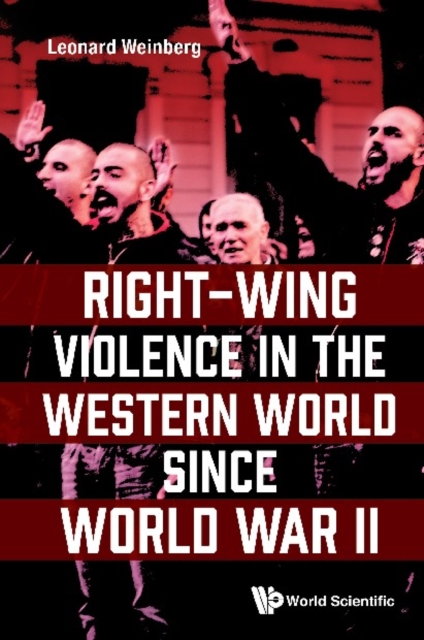
The resurgence of the far right across Europe and the emergence of the "e;alt-right"e; in the US have put the question of fascism urgently back on the agenda.
Drawing on a Gramscian theoretical perspective and developing a systematic comparative approach, The Civic Foundations of Fascism in Europe challenges the received Tocquevillian consensus on authoritarianism by arguing that fascist regimes, just like mass democracies, depended on well-organised, rather than weak and atomised, civil societies.
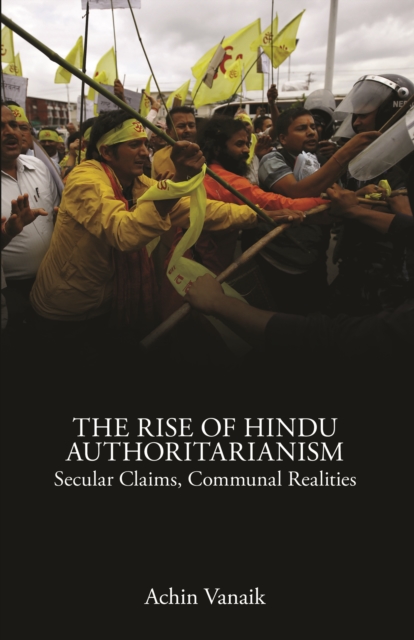
With the Hindu nationalist BJP now replacing the Congress as the only national political force, the communalization of the Indian polity has qualitatively advanced since the earlier edition of this book in 1997.
The Battle of Arnhem was a major World War II battle at the vanguard of the Allied Operation Market Garden, the dramatic but unsuccessful campaign fought by the British Army in the Netherlands from 17 to 25 September 1944.
The Battle of Arnhem was a major World War II battle at the vanguard of the Allied Operation Market Garden, the dramatic but unsuccessful campaign fought by the British Army in the Netherlands from 17 to 25 September 1944.
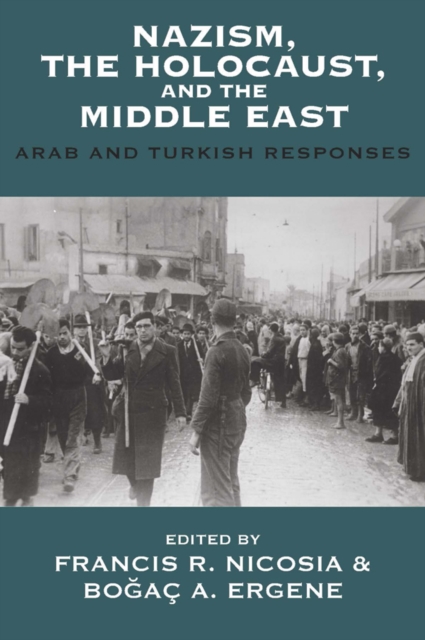
Given their geographical separation from Europe, ethno-religious and cultural diversity, and subordinate status within the Nazi racial hierarchy, Middle Eastern societies were both hospitable as well as hostile to National Socialist ideology during the 1930s and 1940s.
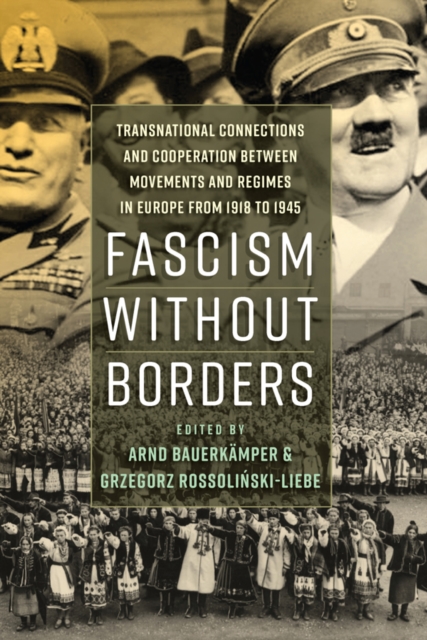
It is one of the great ironies of the history of fascism that, despite their fascination with ultra-nationalism, its adherents understood themselves as members of a transnational political movement.
Since the 1920s, an endless flow of studies has analyzed the political systems of fascism, theseizure of power, the nature of the regimes, the atrocities committed, and, finally, the wars waged against other countries.
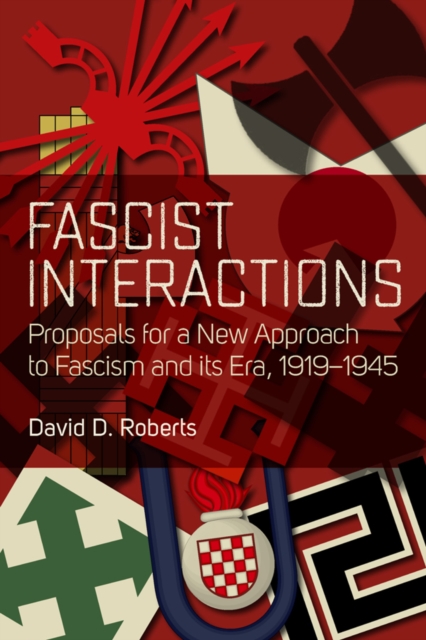
Although studies of fascism have constituted one of the most fertile areas of historical inquiry in recent decades, more and more scholars have called for a new agenda with more research beyond Italy and Germany, less preoccupation with definition and classification, and more sustained focus on the relationships among different fascist formations before 1945.
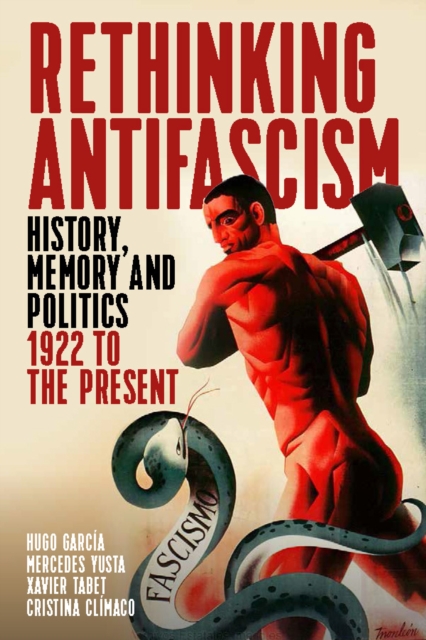
Bringing together leading scholars from a range of nations, Rethinking Antifascism provides a fascinating exploration of one of the most vibrant sub-disciplines within recent historiography.
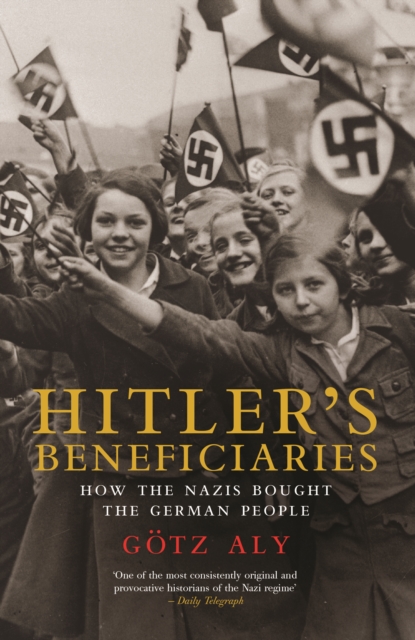
It is clear that the right is on the rise, but after Brexit, the election of Donald Trump and the spike in popularity of extreme-right parties across Europe, the question on everyone's minds is: how did this happen?
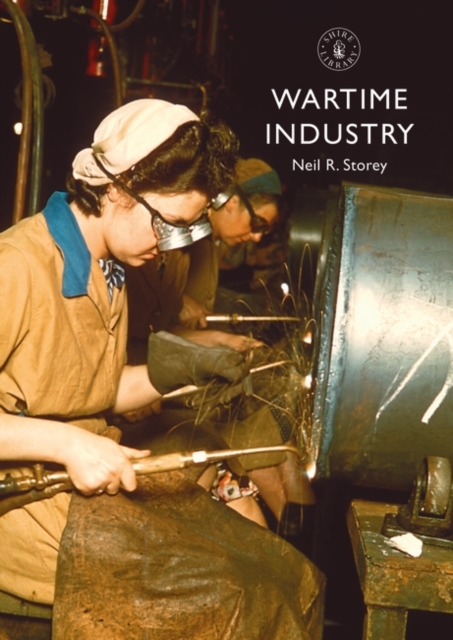
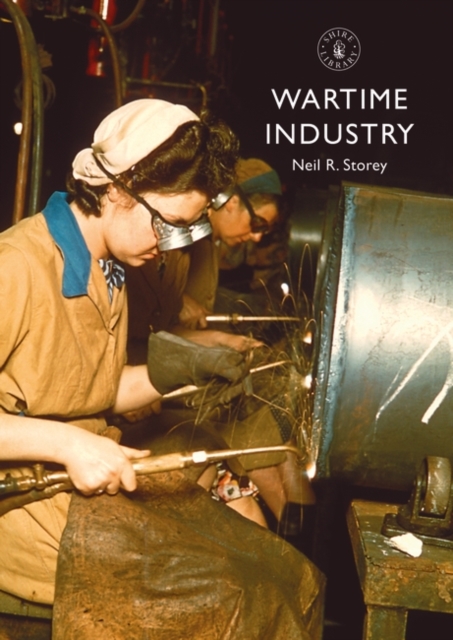
An illustrated introduction to how British industries, supported by thousands of newly recruited women, strove to meet the nation's wartime need for munitions, armour, shipping, uniforms and aircraft.
An illustrated introduction to how British industries, supported by thousands of newly recruited women, strove to meet the nation's wartime need for munitions, armour, shipping, uniforms and aircraft.
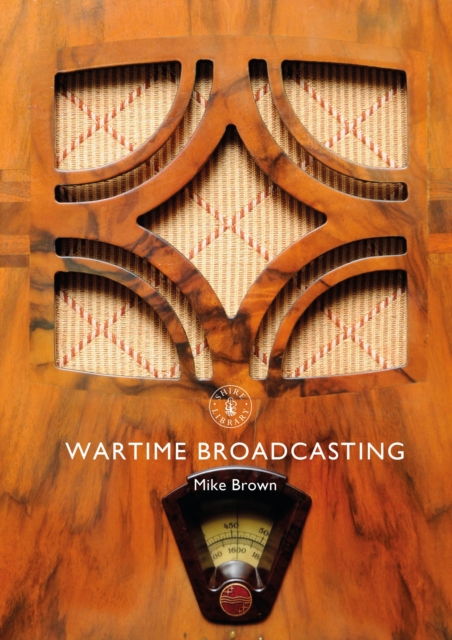
On 3 September 1939, Prime Minister Neville Chamberlain sat tensely at a microphone, using radio to declare that 'this country is at war with Germany'.
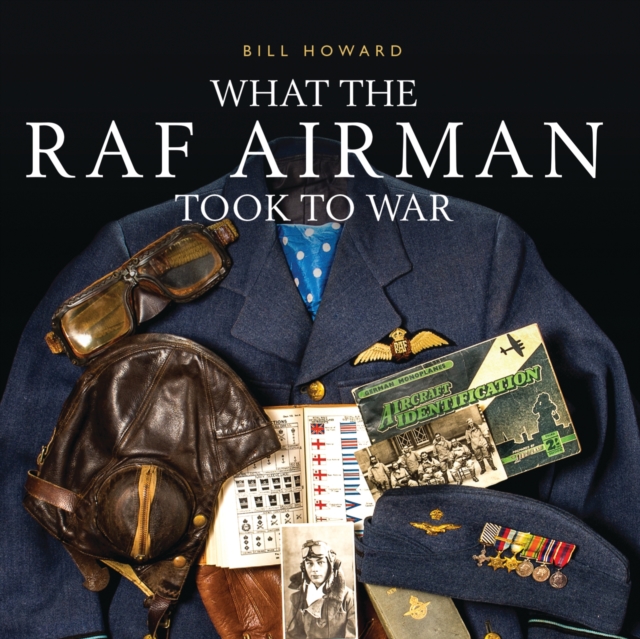
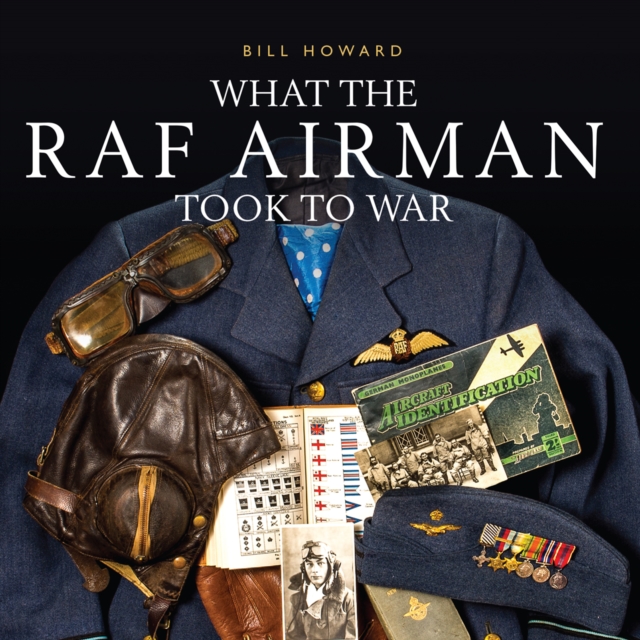
Between July and October 1940, in what became known as the Battle of Britain, a nation held its breath while the pilots of the Royal Air Force battled Hitler's Luftwaffe in the skies above England.
Between July and October 1940, in what became known as the Battle of Britain, a nation held its breath while the pilots of the Royal Air Force battled Hitler's Luftwaffe in the skies above England.