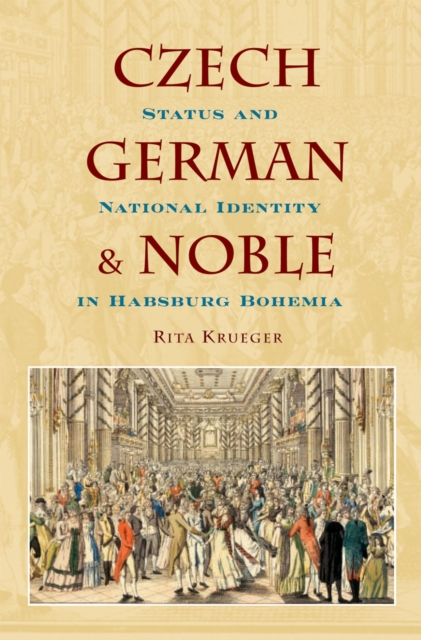
Czech, German, and Noble examines the intellectual ideas and political challenges that inspired patriotic activity among the Bohemian nobility, the infusion of national identity into public and institutional life, and the role of the nobility in crafting and supporting the national ideal within Habsburg Bohemia.
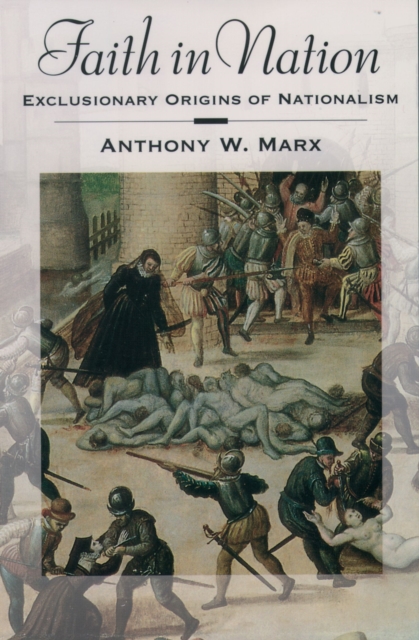
Common wisdom has long held that the ascent of the modern nation coincided with the flowering of Enlightenment democracy and the decline of religion, ringing in an age of tolerant, inclusive, liberal states.
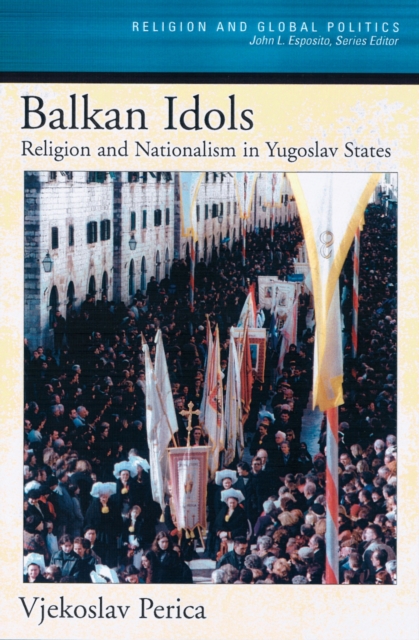
Reporting from the heartland of Yugoslavia in the 1970s, Washington Post correspondent Dusko Doder described "e;a landscape of Gothic spires, Islamic mosques, and Byzantine domes.
In When Nationalism Began to Hate, Brian Porter offers a challenging new explanation for the emergence of xenophobic, authoritarian nationalism in Europe.
Scholars of language ideology have encouraged us to reflect on and explore where social categories come from, how they have been reproduced, and whether and to what extent they are relevant to everyday interactional practices.
Sam Haselby offers a new and persuasive account of the role of religion in the formation of American nationality, showing how a contest within Protestantism reshaped American political culture and led to the creation of an enduring religious nationalism.
National governments around the world are turning to branding consultants, public relations advisers and strategic communications experts to help them "e;brand"e; their jurisdiction.
Often labeled "e;neo-Nazis"e; or "e;right-wing extremists,"e; radical nationalists in the Nordic countries have always relied on music to voice their opposition to immigration and multiculturalism.
In the post-communist era it has become evident that the emerging democracies in Eastern Europe will be determined by many factors, only some of them political.
When it comes to explaining the origins of electoral populism in the United States, we often look to the characteristics and conditions of voters, overlooking the reasons why populist candidates emerge in the first place.
When it comes to explaining the origins of electoral populism in the United States, we often look to the characteristics and conditions of voters, overlooking the reasons why populist candidates emerge in the first place.
Although the young Edward VI's death in 1553 led to resounding defeat for his Protestant allies, his reign has a significance out of all proportion to its brief six-year span.
'We shall live at last as free men on our own soil, and die peacefully in our own homes'Theodor Herzl's passionate advocacy of the founding of a Jewish state grew out of his conviction that Jews would never be assimilated into the populations in which they lived.
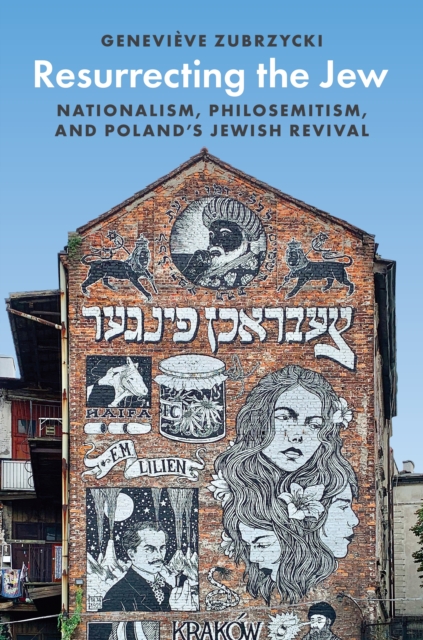
An in-depth look at why non-Jewish Poles are trying to bring Jewish culture back to life in Poland todaySince the early 2000s, Poland has experienced a remarkable Jewish revival, largely driven by non-Jewish Poles with a passionate new interest in all things Jewish.
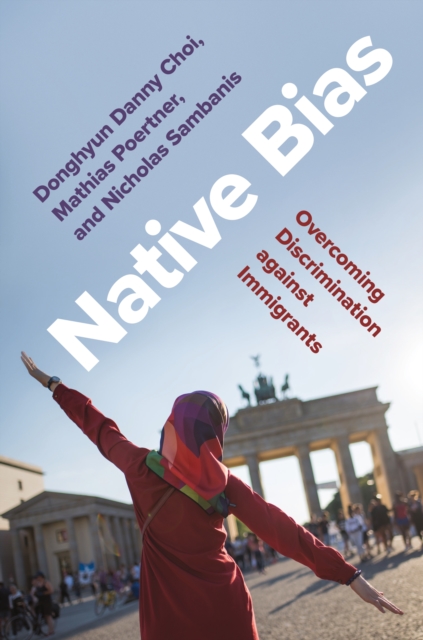
What drives anti-immigrant biasand how it can be mitigatedIn the aftermath of the refugee crisis caused by conflicts in the Middle East and an increase in migration to Europe, European nations have witnessed a surge in discrimination targeted at immigrant minorities.
This book explains the original meaning of the two religion clauses of the First Amendment: "e;Congress shall make no law [1] respecting an establishment of religion or [2] prohibiting the free exercise thereof.
A new and comprehensive look at the reasons behind successful or failed nation buildingNation Building presents bold new answers to an age-old question.
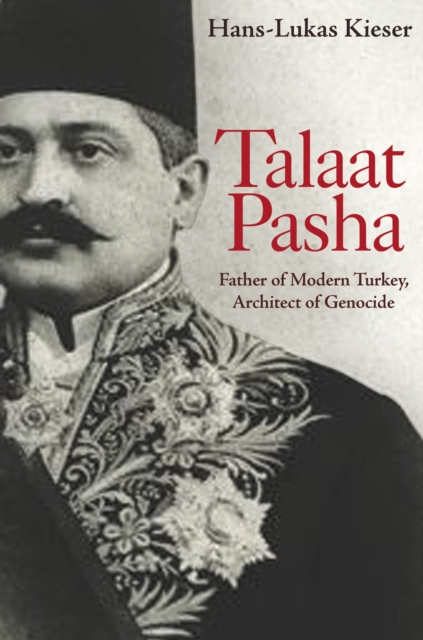
The first English-language biography of the de facto ruler of the late Ottoman Empire and architect of the Armenian GenocideTalaat Pasha (1874-1921) led the triumvirate that ruled the late Ottoman Empire during World War I and is arguably the father of modern Turkey.
How American westward expansion was governmentally engineered to promote the formation of a white settler nationWestward expansion of the United States is most conventionally remembered for rugged individualism, geographic isolationism, and a fair amount of luck.
How the support of patriotic sentiments in Ottoman Egypt led to an emerging Arab nationalismArab Patriotism presents the essential backstory to the formation of the modern nation-state and mass nationalism in the Middle East.
This book discusses a broadly understood phenomenon of protest from several perspectives, including historical, cultural, social, political, environmental and semiotic.
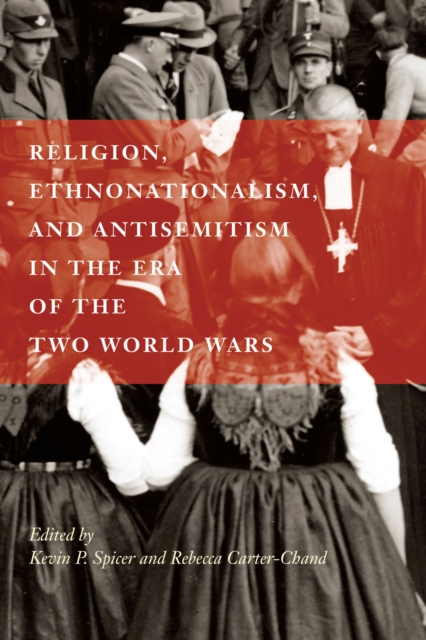
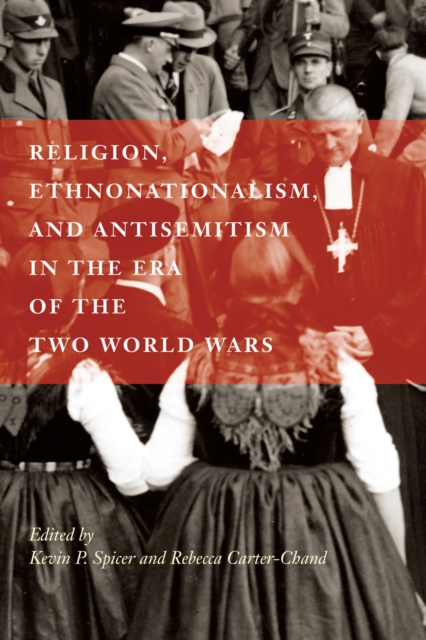
In the wake of the devastating First World War, leaders of the victorious powers reconfigured the European continent, resulting in new understandings of nation, state, and citizenship.
In the wake of the devastating First World War, leaders of the victorious powers reconfigured the European continent, resulting in new understandings of nation, state, and citizenship.
In twentieth-century Canada, mainline Protestants, fundamentalists, liberal nationalists, monarchists, conservative Anglophiles, and left-wing intellectuals had one thing in common: they all subscribed to a centuries-old world view that Catholicism was an authoritarian, regressive, untrustworthy, and foreign force that did not fit into a democratic, British nation like Canada.
Populism, Eco-populism, and the Future of Environmentalism analyzes the history and language of populism in order to fully comprehend the threat of eco-fascism - paradoxically revealing that it is possible for there to be both progressive eco-Populist and right-wing sham eco-Populist discourses.
How the ';recycling' of the Ottoman Empire's uses of genealogy and religion created new political orders in the Middle EastIn this groundbreaking book, Adam Mestyan argues that post-Ottoman Arab political orders were not, as many historians believe, products of European colonialism but of the process of ';recycling empire.