Joyce Dalsheim's ethnographic study takes a ground-breaking approach to one of the most contentious issues in the Middle East: the Israeli settlement project.
Solidarity--the reciprocal relations of trust and obligation between citizens that are essential for a thriving polity--is a basic goal of all political communities.
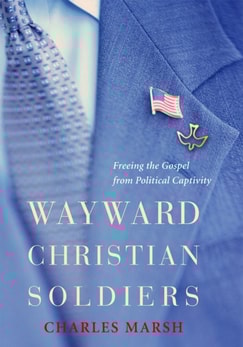
In Wayward Christian Soldiers, leading evangelical theologian Charles Marsh offers a powerful indictment of the political activism of evangelical Christian leaders and churches in the United States.
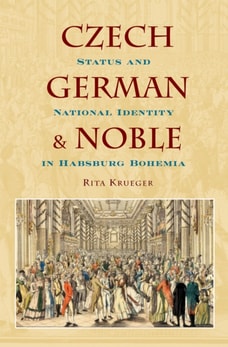
Czech, German, and Noble examines the intellectual ideas and political challenges that inspired patriotic activity among the Bohemian nobility, the infusion of national identity into public and institutional life, and the role of the nobility in crafting and supporting the national ideal within Habsburg Bohemia.
In the wake of the 2004 election, pundits were shocked at exit polling that showed that 22% of voters thought 'moral values' was the most important issue at stake.
Common wisdom has long held that the ascent of the modern nation coincided with the flowering of Enlightenment democracy and the decline of religion, ringing in an age of tolerant, inclusive, liberal states.
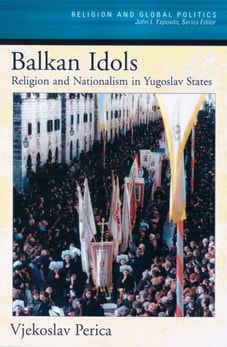
Reporting from the heartland of Yugoslavia in the 1970s, Washington Post correspondent Dusko Doder described "e;a landscape of Gothic spires, Islamic mosques, and Byzantine domes.
In When Nationalism Began to Hate, Brian Porter offers a challenging new explanation for the emergence of xenophobic, authoritarian nationalism in Europe.
The Kharijites were the first sectarian movement in Islamic history, a rebellious splinter group that separated itself from mainstream Muslim society and set about creating, through violence, an ideal community of the saved.
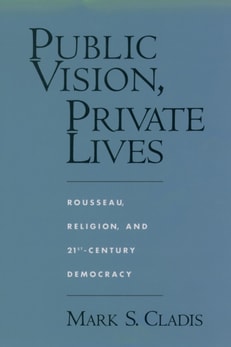
Listening closely to the religious pitch in Rousseau's voice, Cladis convincingly shows that Rousseau, when attempting to portray the most characteristic aspects of the public and private, reached for a religious vocabulary.
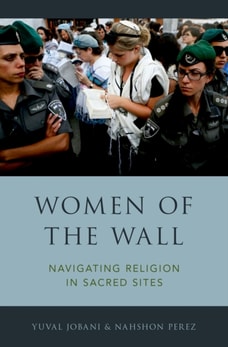
In October of 2014, 12-year-old Sasha Lutt read from a tiny Torah scroll as a part of her bat mitzvah in the Women's section of the plaza at the Western Wall, Judaism's holiest prayer site.
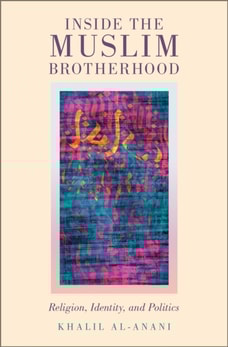
Over the past three decades, through rises and falls in power, regime repression and exclusion, the Egyptian Muslim Brotherhood has endured, proving more resilient than any other Islamist movement in the world.
Containing Balkan Nationalism focuses on the implications of the Bulgarian national movement that developed in the context of Ottoman modernization and of European imperialism in the Near East.
Scholars of language ideology have encouraged us to reflect on and explore where social categories come from, how they have been reproduced, and whether and to what extent they are relevant to everyday interactional practices.
Drawing from research conducted in Nigeria, Senegal, and Uganda, Christianity, Islam, and Liberal Democracy offers a deeper understanding of how Christian and Islamic faith communities affect the political attitudes of those who belong to them and, in turn, prospects for liberal democracy.
In a seventeenth-century English landscape populated with towering political and philosophical figures like Hobbes, Harrington, Cromwell, Milton, and Locke, William Penn remains in many ways a man apart.
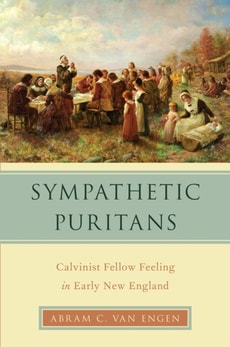
Revising dominant accounts of Puritanism and challenging the literary history of sentimentalism, Sympathetic Puritans argues that a Calvinist theology of sympathy shaped the politics, religion, rhetoric, and literature of early New England.
Sam Haselby offers a new and persuasive account of the role of religion in the formation of American nationality, showing how a contest within Protestantism reshaped American political culture and led to the creation of an enduring religious nationalism.