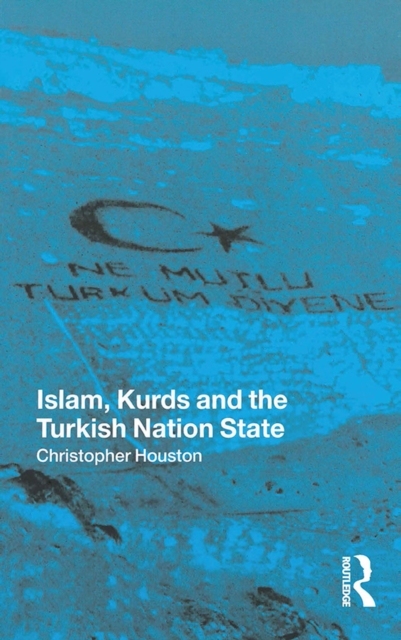
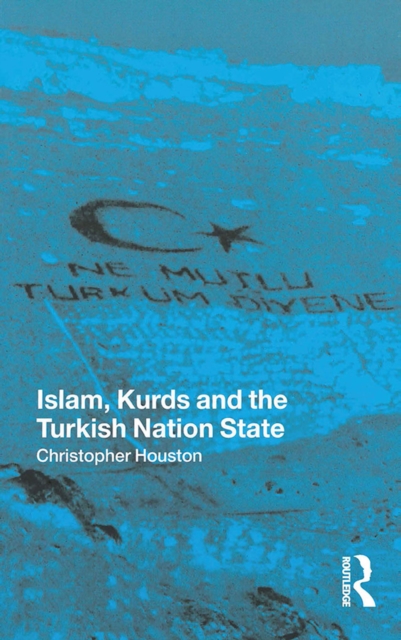
This book analyzes the Kurdish problem in Turkey from the point of view of the Turkish authorities, as well as from the perspective of disaffected Kurds living in that state and abroad.
This edited volume explores political motives, discourses and agendas in Japanese manga and graphic art with the objective of highlighting the agency of Japanese and wider Asian story-telling traditions within the context of global political traditions.
This edited volume explores political motives, discourses and agendas in Japanese manga and graphic art with the objective of highlighting the agency of Japanese and wider Asian story-telling traditions within the context of global political traditions.
Research Companion to Language and Country Branding brings together entirely new interdisciplinary research conducted by scholars working on various sociolinguistic, semiotic, anthropological and discursive analytical aspects of country branding all over the world.
Research Companion to Language and Country Branding brings together entirely new interdisciplinary research conducted by scholars working on various sociolinguistic, semiotic, anthropological and discursive analytical aspects of country branding all over the world.
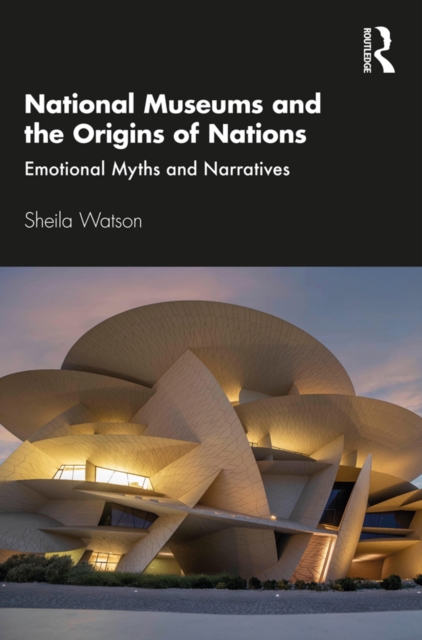
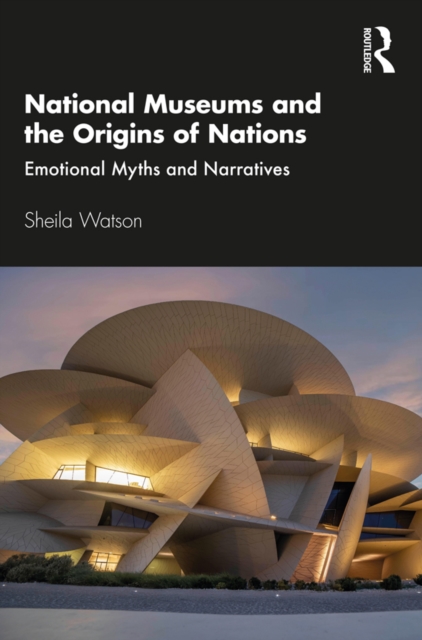
National Museums and the Origins of Nations provides the first international survey of origins stories in national museums and examines the ways in which such museums use the distant past as a vehicle to reflect the concerns of the political present.
National Museums and the Origins of Nations provides the first international survey of origins stories in national museums and examines the ways in which such museums use the distant past as a vehicle to reflect the concerns of the political present.
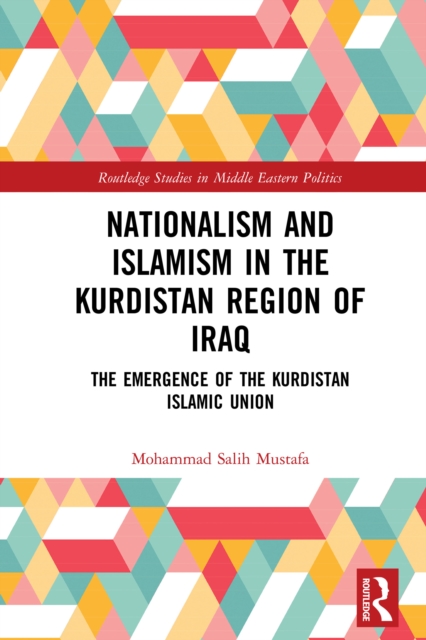
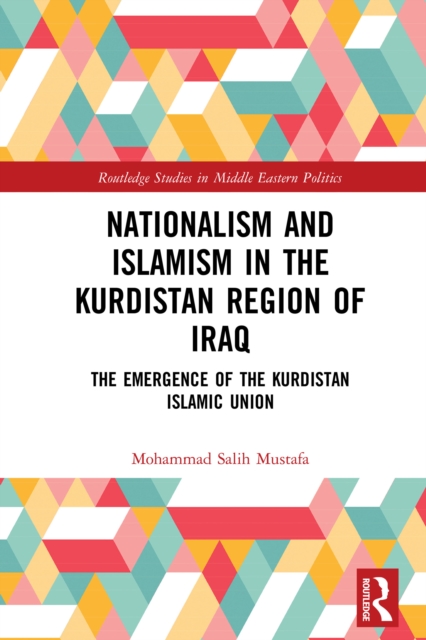
Exploring a new political phenomenon in the Middle East, this book studies the reconciliation of nationalism and Islamism by Islamic political parties in the context of nation states.
Exploring a new political phenomenon in the Middle East, this book studies the reconciliation of nationalism and Islamism by Islamic political parties in the context of nation states.
The complex relationship between nationalism and masculinity has been explored both historically and sociologically with one consistent conclusion: male concepts of courage and virility are at the core of nationalism.
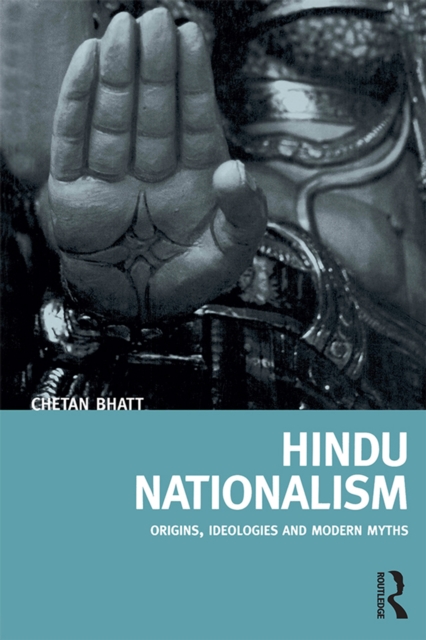
The rise of authoritarian Hindu mass movements and political formations in India since the early 1980s raises fundamental questions about the resurgence of chauvinistic ethnic, religious and nationalist movements in the late modern period.
The complex relationship between nationalism and masculinity has been explored both historically and sociologically with one consistent conclusion: male concepts of courage and virility are at the core of nationalism.
The rise of authoritarian Hindu mass movements and political formations in India since the early 1980s raises fundamental questions about the resurgence of chauvinistic ethnic, religious and nationalist movements in the late modern period.
"e;American exceptionalism"e; was once a rather obscure and academic concept, but in the 2012 presidential election campaign the phrase attained unprecedented significance in political rhetoric.
This book explores how writers such as Amos Tutuola, George Lamming, Samuel Selvon, VS Naipaul, Chinua Achebe, Derek Walcott, Kamau Brathwaite, and Wole Soyinka came to be published in London in important educational series such as the Three Crown Series and African Writers Series.
This book examines four dramatic periods that have shaped not only Ukrainian, but also Soviet and Russian history over the last hundred years: the revolutionary struggles of 1917-20, Stalin's "e;second"e; revolution of 1928-33, the mobilization of revolutionary nationalists during the Second World War, and the Euromaidan protests of 2013-14.
There is an urgent need for a book which combines the approaches of political science/sociology and history and particularly comparative politics with ethnic studies.
Women, Wars and Public Policies shatters the boundaries of conventional antiracism, offering an examination of white supremacy's persistence through the lens of humanity's most pressing challenges.
This book examines four dramatic periods that have shaped not only Ukrainian, but also Soviet and Russian history over the last hundred years: the revolutionary struggles of 1917-20, Stalin's "e;second"e; revolution of 1928-33, the mobilization of revolutionary nationalists during the Second World War, and the Euromaidan protests of 2013-14.
This book explores how writers such as Amos Tutuola, George Lamming, Samuel Selvon, VS Naipaul, Chinua Achebe, Derek Walcott, Kamau Brathwaite, and Wole Soyinka came to be published in London in important educational series such as the Three Crown Series and African Writers Series.
"e;American exceptionalism"e; was once a rather obscure and academic concept, but in the 2012 presidential election campaign the phrase attained unprecedented significance in political rhetoric.
There is an urgent need for a book which combines the approaches of political science/sociology and history and particularly comparative politics with ethnic studies.
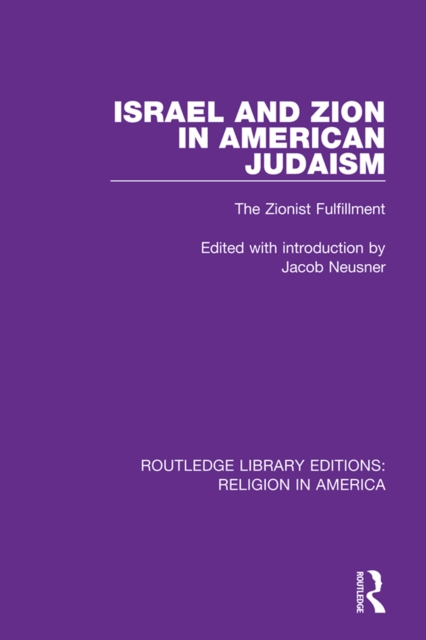
First published in 1993, Israel and Zion in American Judaism: The Zionist Fulfillment is a collection of 24 essays exploring the concept of who or what is "e;Israel"e; following the establishment of the Jewish State in 1948 and the subsequent crisis of self-definition in American Jewry.
First published in 1993, Israel and Zion in American Judaism: The Zionist Fulfillment is a collection of 24 essays exploring the concept of who or what is "e;Israel"e; following the establishment of the Jewish State in 1948 and the subsequent crisis of self-definition in American Jewry.