In this book, Elissa Zellinger analyzes both political philosophy and poetic theory in order to chronicle the consolidation of the modern lyric and the liberal subject across the long nineteenth century.
"e;Olmsted finds in Depression-era California the crucible for strong-arm policies against farm workers that bolstered the conservative movement"e; (Kirkus Reviews).
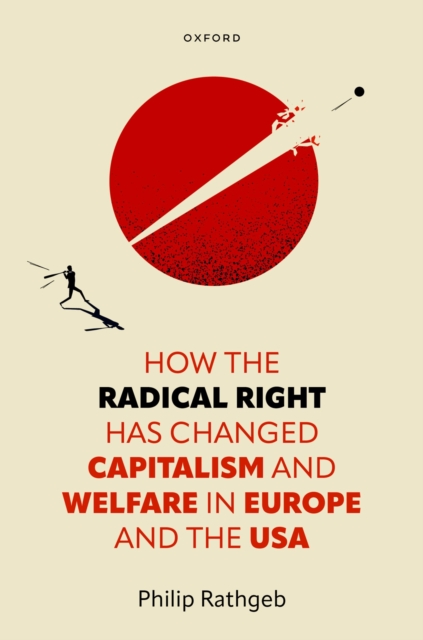
Radical right parties are no longer political challengers on the fringes of party systems; they have become part of the political mainstream across the Western world.
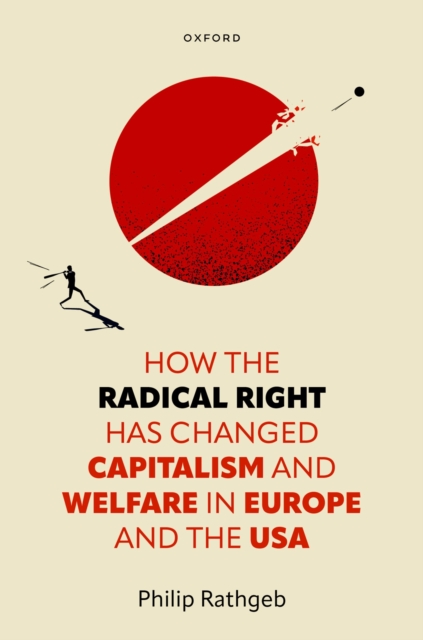
Radical right parties are no longer political challengers on the fringes of party systems; they have become part of the political mainstream across the Western world.
"e;Olmsted finds in Depression-era California the crucible for strong-arm policies against farm workers that bolstered the conservative movement"e; (Kirkus Reviews).
Business and Populism analyses the relationship between right wing populism and business with a focus on business responses and strategies in the face of the global populist turn.
Business and Populism analyses the relationship between right wing populism and business with a focus on business responses and strategies in the face of the global populist turn.
LONGLISTED FOR THE 2016 GOODREADS CHOICE AWARDS, BEST NONFICTIONA LITHUB BOOK OF THE DECADEThe US is one of the largest democracies in the world or is it?
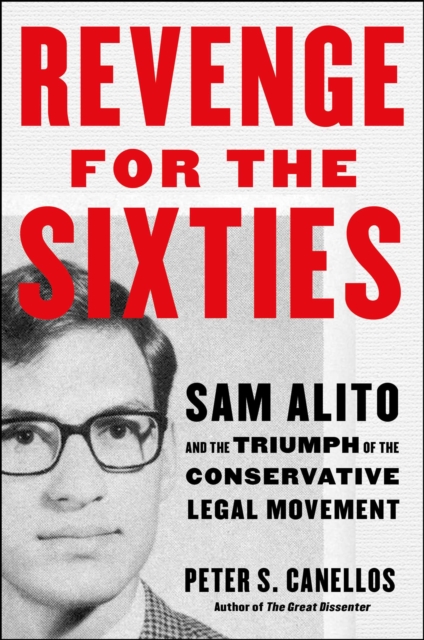
The first-ever biography of the most pivotal Justice on the Supreme Court whose decisions, like the overturning of Roe, will drive the reshaping of America, by prize-winning journalist Peter Canellos.
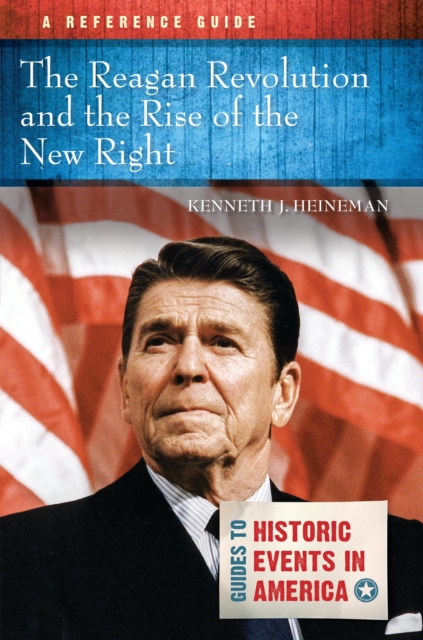
#1 PUBLISHERS WEEKLY BESTSELLER #2 NEW YORK TIMES BESTSELLER#1 AMAZON BESTSELLER#1 BOOKSCAN WEEKLY BESTSELLER#1 BALTIMORE SUN BESTSELLEROnce upon a time there was a REVOLUTION.
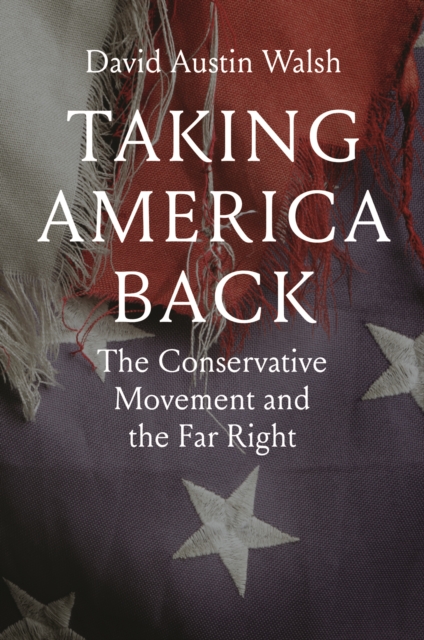
A provocative look at the relationship between the far right and the American conservative movement from the 1930s to the end of the Cold War Since 2016, many commentators have expressed shock at the so-called rise of the far right in America at the expense of "e;responsible"e; and "e;respectable"e; conservatism.
A provocative look at the relationship between the far right and the American conservative movement from the 1930s to the end of the Cold War Since 2016, many commentators have expressed shock at the so-called rise of the far right in America at the expense of "e;responsible"e; and "e;respectable"e; conservatism.
Examining inequality through the lenses of moral traditionsRising inequality has attracted a great deal of attention in recent years from scholars and politicians, but the moral dimensions of inequality tend to be ignored.
A compelling explanation of how conservatism is no longer what its founders intended and how it has been transformed into a tool of materialist economics and emptied of much of its original meaning.
Representative democracy is beset by a crisis of legitimacy across the world, but in Europe this crisis is compounded by the inadequacy of national governments to address citizens' frustrations and to achieve transnational unity on common issues.
Representative democracy is beset by a crisis of legitimacy across the world, but in Europe this crisis is compounded by the inadequacy of national governments to address citizens' frustrations and to achieve transnational unity on common issues.
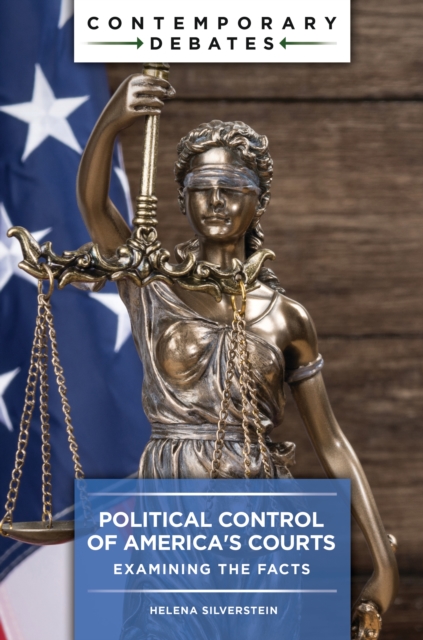
This volume explores the many ways in which politics shapes the allegedly nonpartisan judicial system in America, ranging from how judges are selected to the bench to how they rule when they get there.
This volume explores the many ways in which politics shapes the allegedly nonpartisan judicial system in America, ranging from how judges are selected to the bench to how they rule when they get there.
"e;With misinformation and disinformation everywhere, a book that provides facts without an agenda is a welcome resource for public, academic, and consumer health collections.
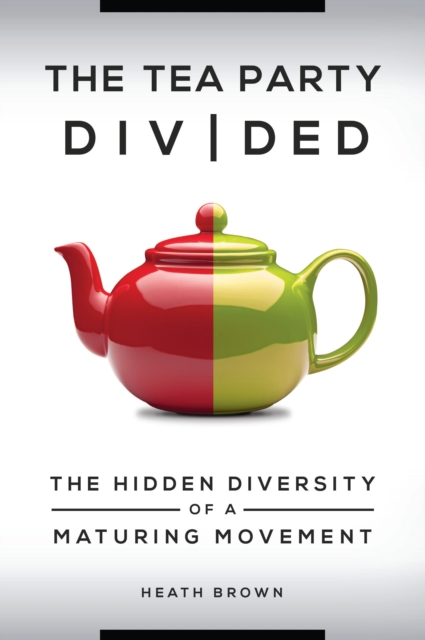
Unlike previous books on the Tea Party, this work looks at the second phase of party growth to show that what was once considered a monolithic movement is truly a collection of different opinions.
Over the last two decades, military and authoritarian regimes in Latin America have receded as indigenous social movements and popular protests have demanded and won peaceful transitions to democratically-elected governments.