In a series of dramatic monologues, first-century men and women--some real, some imaginary--remember, often from the perspective of old age, their encounters with Jesus and reflect on the significance of those encounters.
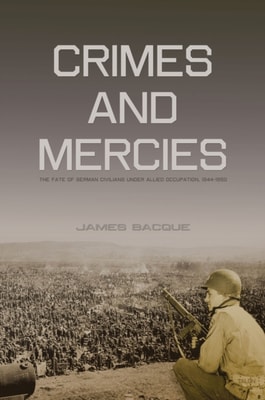
More than 9 million Germans died as a result of deliberate Allied starvation and expulsion policies after World War II-one quarter of the country was annexed, and about 15 million people expelled in the largest act of ethnic cleansing the world has ever known.
While the construction of architecture has a place in architectural discourse, its destruction, generally seen as incompatible with the very idea of "e;culture,"e; has been neglected in theoretical and historical discussion.
Spanning various regions of Sub-Saharan Africa, the authors of this volume come together to explore the complex relationship between religion and democracy in contemporary Africa.
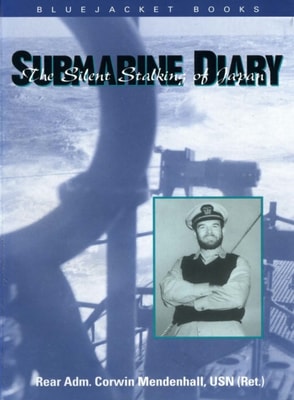
In early December 1941 in the Philippines, a young Navy ensign named Kemp Tolley was given his first ship command, an old 76-foot schooner that had once served as a movie prop in John Ford's "e;The Hurricane.
From Occupy to Uncut, from the Arab Spring to the Slutwalk movement, few questions about recent activism raise as much controversy as the role of the internet.
Drawing on a decade of research into the community that proposed the so-called "e;Ground Zero Mosque,"e; this book refutes the idea that current demands for Muslim moderation have primarily arisen in response to the events of 9/11, or to the violence often depicted in the media as unique to Muslims.
In this book you will find the following essays by anarchist Emma Goldman * Anarchism: What It Really Stands For * Minorities Versus Majorities * The Psychology of Political Violence * Prisons: A Social Crime and Failure * Patriotism: A Menace to Liberty * Francisco Ferrer and The Modern School * The Hypocrisy of Puritanism * The Traffic in Women * Woman Suffrage * The Tragedy of Woman's Emancipation * Marriage and Love * The Drama: A Powerful Dissimenator of Radical Thought
In A Faith Not Worth Fighting For, editors Justin Bronson Barringer and Tripp York have assembled a number of essays by pastors, activists, and scholars in order to address the common questions and objections leveled against the Christian practice of nonviolence.
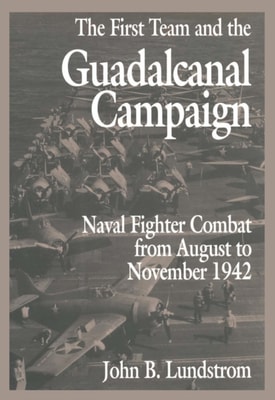
From huddled command conferences to cramped cockpits, John Lundstrom guides readers through the maelstrom of air combat at Guadalcanal in this impressively researched sequel to his earlier study.
This remarkable memoir tells the compelling story of the near-mythic British district officer who helped shape the first great Allied counteroffensive.
Muhammad: a frank look at his influential (and violent) life and teachingsIn The Truth about Muhammad, New York Times bestselling author and Islam expert Robert Spencer offers an honest and telling portrait of the founder of Islam-perhaps the first such portrait in half a century-unbounded by fear and political correctness, unflinching, and willing to face the hard facts about Muhammad's life that continue to affect our world today.
William Stringfellow, activist lawyer and advocate for the underprivileged of New York, was either embraced warmly or rejected as a radical by Christians in the 1960s, 1970s, and 1980s when he was writing.
In August 1943, the Luftwaffe began using radio-controlled anti-ship glide bombs and within weeks they had sunk one battleship, crippled another, wrecked two cruisers, and destroyed numerous merchant ships.
The German Fleet at War relates the little-known history of the Kriegsmarine's surface fleet with a focus on the sixty-nine surface naval battles fought by Germany's major warships against the large warships of the British, French, American, Polish, Soviet, Norwegian and Greek navies.
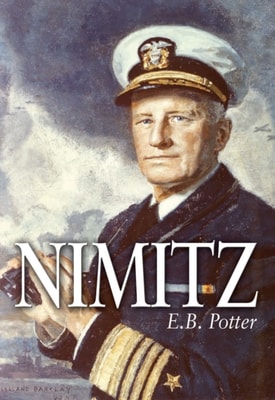
Called a great book worthy of a great man, this definitive biography of the commander in chief of the Pacific Fleet in World War II, first published in 1976 and now available in paperback for the first time, continues to be considered the best book ever written about Adm.
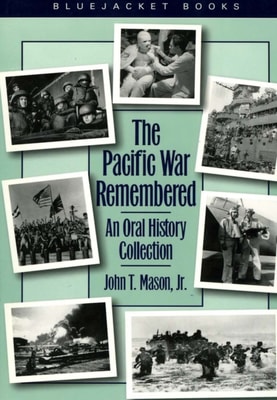
In this remarkable oral history collection, thirty-three participants in the turbulent epic that began with the day of infamy at Pearl Harbor and ended with the signing of the surrender documents in Tokyo Harbor tell their stories.
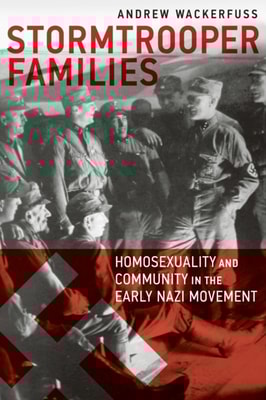
Based on extensive archival work, Stormtrooper Families combines stormtrooper personnel records, Nazi Party autobiographies, published and unpublished memoirs, personal letters, court records, and police-surveillance records to paint a picture of the stormtrooper movement as an organic product of its local community, its web of interpersonal relationships, and its intensely emotional internal struggles.
An international team of naval historians and scholars has pooled their expertise for this definitive reference on how the great navies of World War II were organized and how they trained, operated, and fought.
Can religious individuals and communities learn from each other in ways that will lead them to collaborate in addressing the great ethical challenges of our time, including climate change and endless warfare?