Air warfare was a decisive component of World War II, especially in western Europe and over Japan, where Allied bombers damaged 66 of the country's largest cities.
Among the many German immigrants to the United States over the years, one group is unusual: former prisoners of war who had spent between one and three years on American soil and who returned voluntarily as immigrants after the war.
Profiling World War II veterans who became famous Hollywood personalities, this book presents biographical chapters on celebrities like Audie Murphy, "e;America's number one soldier"e;; Clark Gable, the "e;King of Hollywood"e;; Jimmy Stewart, combat pilot; Gene Autry, the "e;singing cowboy,"e; who flew the infamous Hump; the amorous Mickey Rooney; Jackie Coogan, "e;the Kid"e; who crashed gliders in the jungle; James Arness, who acquired his Gunsmoke limp in the mountains of Italy; Tony Bennett, who discovered his voice during the Battle of the Bulge; and Lee Marvin, a Marine NCO who invaded 29 islands.
Assertive, tough, and idealistic, the Weatherwomen--members of the Weather Underground Organization (WUO) from the late 1960s--were determined to stamp out sexism and social injustice.
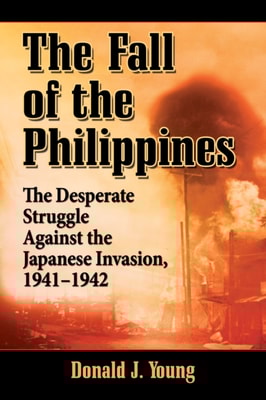
World War II began for the United States with the Japanese attack on Pearl Harbor December 7, 1941, followed by the invasion of the Philippine Islands the next day.
The story of Hitler's Wehrmachtsgefolge (armed forces auxiliaries) is less well known than that of Germany's other armed forces in World War II, such as the panzer divisions, the Luftwaffe and the Kriegsmarine.
In the five months after Pearl Harbor, the Imperial Japanese Navy won a string of victories in a campaign to consolidate control of Southeast Asia and the South Pacific.
Creating a guerrilla movement to fight the Japanese occupation of the Philippines (1942-1945) presented Colonel Wendell Fertig with some formidable challenges.
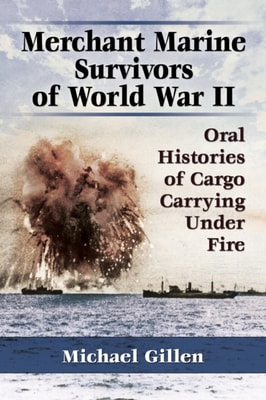
In the many historical accounts of D-Day, the Navy, Coast Guard and merchant marine, who transported troops to the invasion beaches and supported the attack, are often given scant attention.
It was not Robert Oppenheimer who built the bomb--it was engineers, chemists and young physicists in their twenties, many not yet having earned a degree.
Originally designed as a cargo and paratroop transport during World War II, the Fairchild C-82 Packet is today mainly remembered for its starring role in the Hollywood film The Flight of the Phoenix (1965).
Military historian Victor Brooks argues that the year 1943 marked a significant shift in the World War II balance of power from the Axis to Allied forces.
By the time the war clouds of Europe and Asia spilled onto the shores of the United States, the allied military found itself outmanned, outgunned and out flown.