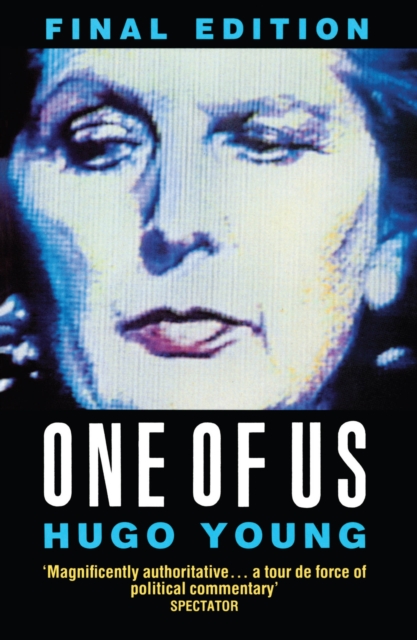
In this acclaimed political biography, Hugo Young traces Thatcher's journey from her apprenticeship under Harold Macmillan and her participation in the government of Edward Heath, to her unquestioning destruction of the Conservatism of the 1950s and 1960s and her emergence as a senior stateswoman of the Western world.
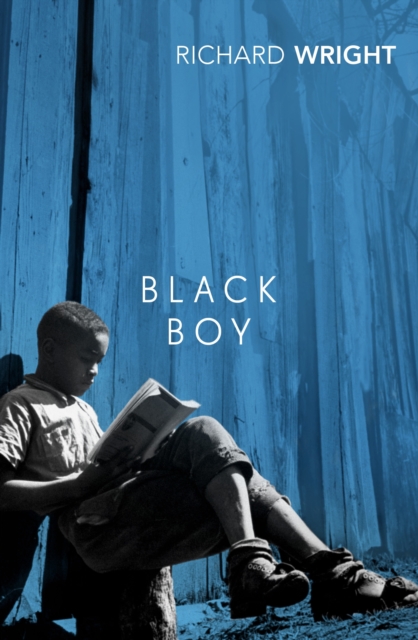
Richard Wright's memoir of his childhood as a young black boy in the American south of the 1920s and 30s is a stark depiction of African-American life and a powerful exploration of racial tension.
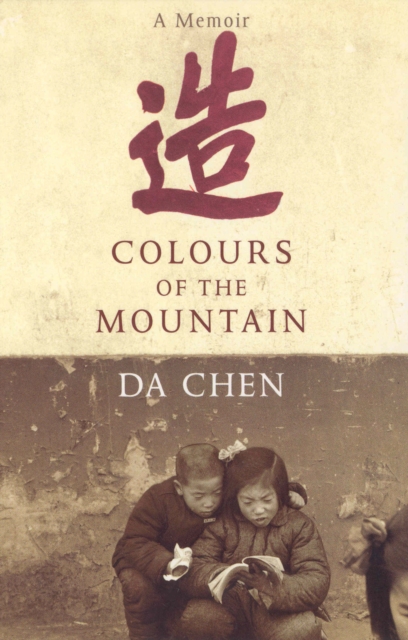
A unique modern memoir of growing up in rural China, Colours of the Mountain is a powerful and moving story of supreme determination and extraordinary faith against the most impossible odds.
In this long season of searing political attacks and angry partisan passions, Peggy Noonan's Wall Street Journal column has been must reading for thoughtful liberals and conservatives alike.
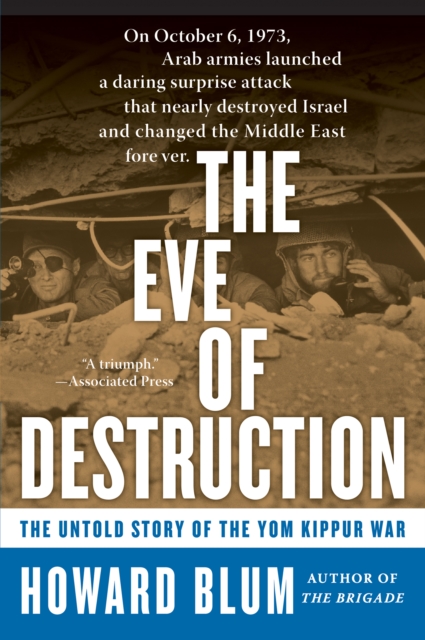
On October 6, 1973Yom Kippur, the holiest day of the Jewish calendarthe Arab world launched a bold and ingeniously conceived surprise attack against Israel.
The story of the photographic intelligence work undertaken from a country house at Medmenham, Buckinghamshire, is one of the great lost stories of the Second World War .
In this superb book, Tom Brokaw goes out into America, to tell through the stories of individual men and women the story of a generation - America's citizen heroes and heroines who came of age during the Great Depression and the Second World War and went on to build modern America.
A succinct and comprehensive history of the development of citizenship from the Roman Empire to the present dayCitizenship, Inequality, and Difference offers a concise and sweeping overview of citizenship's complex evolution, from ancient Rome to the present.
A new account of modern Iraqi politics that overturns the conventional wisdom about its sectarian divisionsHow did Iraq become one of the most repressive dictatorships of the late twentieth century?
How the conflict between political Islamists and secular-leaning nationalists has shaped the history of the modern Middle EastIn 2013, just two years after the popular overthrow of Hosni Mubarak, the Egyptian military ousted the country's first democratically elected president-Mohamed Morsi of the Muslim Brotherhood-and subsequently led a brutal repression of the Islamist group.
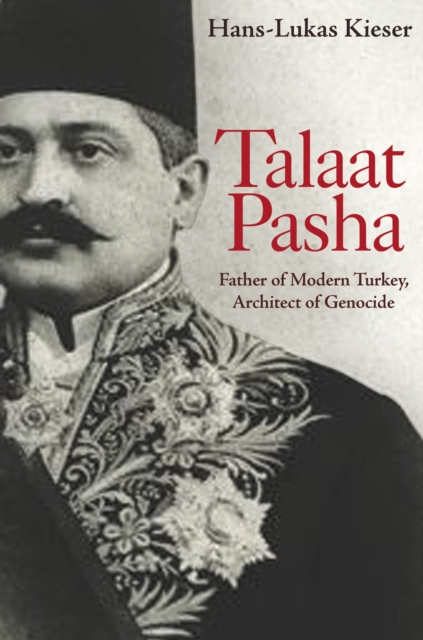
The first English-language biography of the de facto ruler of the late Ottoman Empire and architect of the Armenian GenocideTalaat Pasha (1874-1921) led the triumvirate that ruled the late Ottoman Empire during World War I and is arguably the father of modern Turkey.
On the 100th anniversary of the Russian Revolution, the epic story of an enormous apartment building where Communist true believers lived before their destructionThe House of Government is unlike any other book about the Russian Revolution and the Soviet experiment.
A groundbreaking investigation into why so many Islamic radicals are engineersThe violent actions of a few extremists can alter the course of history, yet there persists a yawning gap between the potential impact of these individuals and what we understand about them.
The first in-depth account of the historic diplomatic agreement that served as a blueprint for ending the Cold WarThe Helsinki Final Act was a watershed of the Cold War.
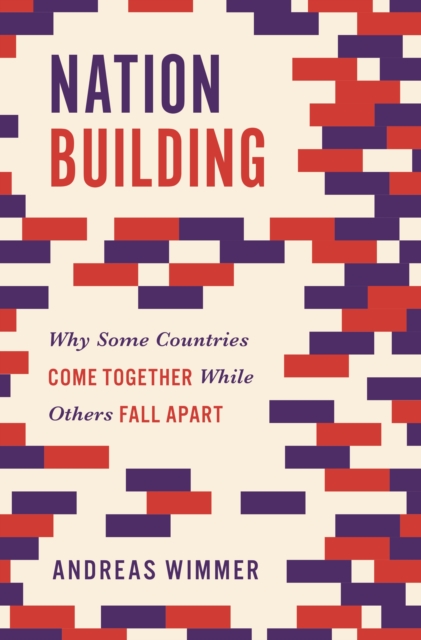
A new and comprehensive look at the reasons behind successful or failed nation buildingNation Building presents bold new answers to an age-old question.
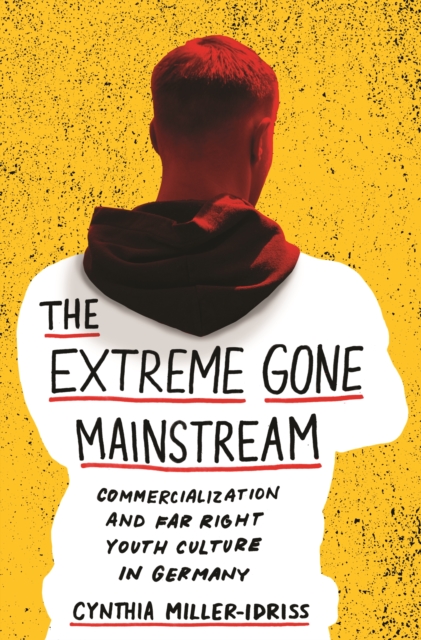
How extremism is going mainstream in Germany through clothing brands laced with racist and nationalist symbolsThe past decade has witnessed a steady increase in far right politics, social movements, and extremist violence in Europe.
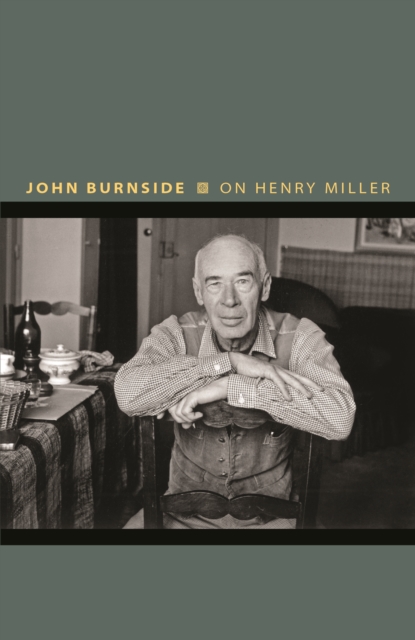
An engaging invitation to rediscover Henry Millerand to learn how his anarchist sensibility can help us escape ';the air-conditioned nightmare' of the modern worldThe American writer Henry Miller's critical reputationif not his popular readershiphas been in eclipse at least since Kate Millett's blistering critique in Sexual Politics, her landmark 1970 study of misogyny in literature and art.
How American westward expansion was governmentally engineered to promote the formation of a white settler nationWestward expansion of the United States is most conventionally remembered for rugged individualism, geographic isolationism, and a fair amount of luck.
Over the past century, democracy spread around the world in turbulent bursts of change, sweeping across national borders in dramatic cascades of revolution and reform.
How the support of patriotic sentiments in Ottoman Egypt led to an emerging Arab nationalismArab Patriotism presents the essential backstory to the formation of the modern nation-state and mass nationalism in the Middle East.
How competing visions of world order in the 1940s gave rise to the modern concept of globalismDuring and after the Second World War, public intellectuals in Britain and the United States grappled with concerns about the future of democracy, the prospects of liberty, and the decline of the imperial system.
Few transformations in American politics have been as important as the integration of African Americans into the Democratic Party and the Republican embrace of racial policy conservatism.
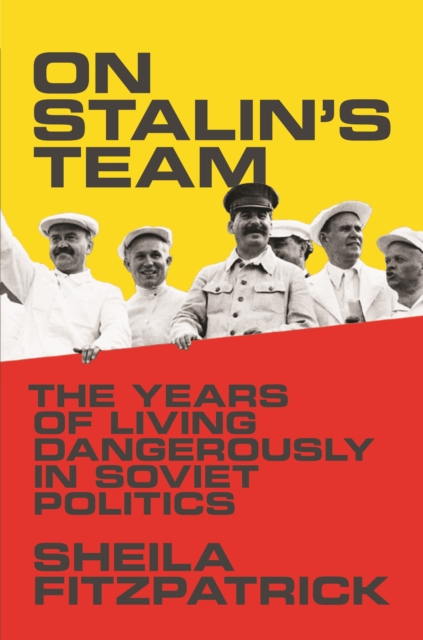
The first chronicle of Stalin's inner political and social circle-from a leading Soviet historianStalin was the unchallenged dictator of the Soviet Union for so long that most historians have dismissed the officials surrounding him as mere yes-men and political window dressing.
Europe's long sixteenth century-a period spanning the years roughly from the voyages of Columbus in the 1490s to the English Civil War in the 1640s-was an era of power struggles between avaricious and unscrupulous princes, inquisitions and torture chambers, and religious differences of ever more violent fervor.
How political incivility broadcast in close-up by the media affects public opinionAmericans are disgusted with watching politicians screaming and yelling at one another on television.
This is the first complete, one-volume English translation of the ancient Chinese text Xunzi, one of the most extensive, sophisticated, and elegant works in the tradition of Confucian thought.
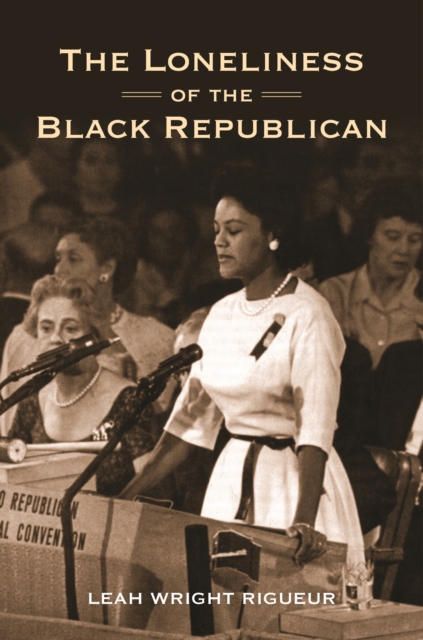
The story of black conservatives in the Republican Party from the New Deal to Ronald ReaganCovering more than four decades of American social and political history, The Loneliness of the Black Republican examines the ideas and actions of black Republican activists, officials, and politicians, from the era of the New Deal to Ronald Reagan's presidential ascent in 1980.
Don't Blame Us traces the reorientation of modern liberalism and the Democratic Party away from their roots in labor union halls of northern cities to white-collar professionals in postindustrial high-tech suburbs, and casts new light on the importance of suburban liberalism in modern American political culture.
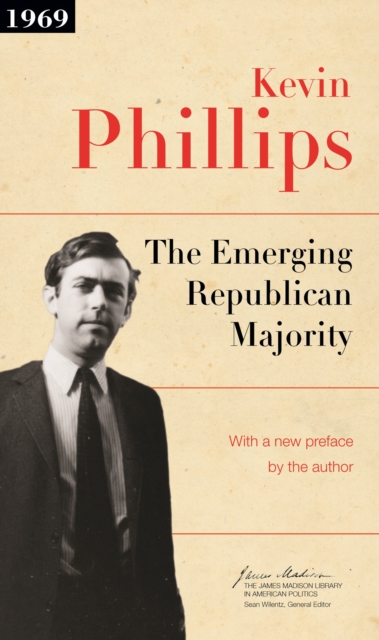
One of the most important and controversial books in modern American politics, The Emerging Republican Majority (1969) explained how Richard Nixon won the White House in 1968-and why the Republicans would go on to dominate presidential politics for the next quarter century.
How governmental failure led to the 2008 financial crisis-and what needs to be done to avoid another similar event Behind every financial crisis lurks a "e;political bubble"e;-policy biases that foster market behaviors leading to financial instability.
Now in paperback: the bestselling author of Gods Politics revives our hope in a politics that reflects our highest common values and offers a roadmap for solving our biggest social problems.
The important role of liberal ecumenical Protestantism in American historyThe role of liberalized, ecumenical Protestantism in American history has too often been obscured by the more flamboyant and orthodox versions of the faith that oppose evolution, embrace narrow conceptions of family values, and continue to insist that the United States should be understood as a Christian nation.