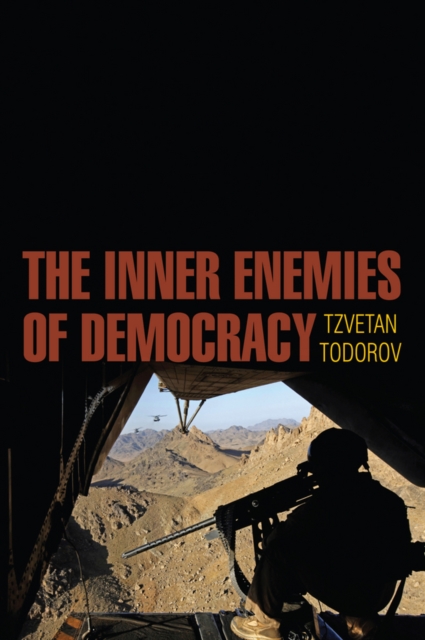
The political history of the twentieth century can be viewed as the history of democracy s struggle against its external enemies: fascism and communism.
Everything in their respective positions divides them: Alain Badiou is the thinker of a revitalized communism and Alain Finkielkraut the mournful observer of the loss of values.
On 26 August 1974, Michel Foucault completed work on Discipline and Punish, and on that very same day began writing the first volume of The History of Sexuality.
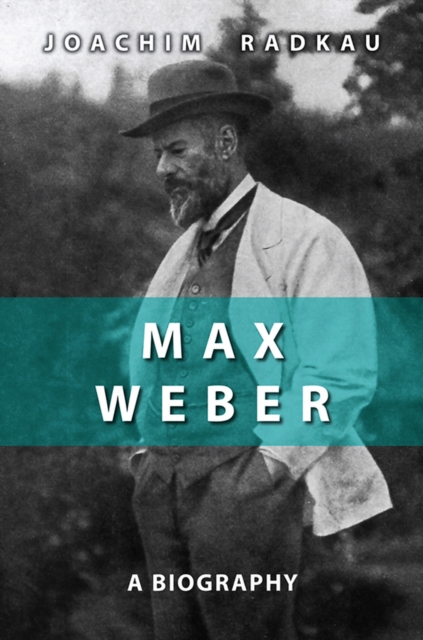
Max Weber (1864-1920) is recognized throughout the world as the most important classic thinker in the social sciences there is simply no one in the history of the social sciences who has been more influential.
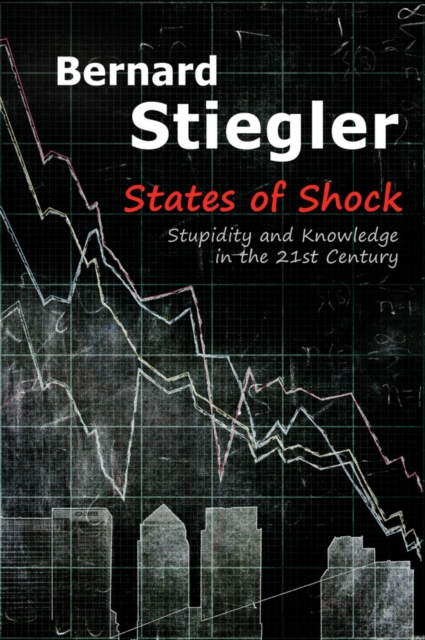
In the aftermath of the First World War, the poet Paul Val ry wrote of a crisis of spirit , brought about by the instrumentalization of knowledge and the destructive subordination of culture to profit.
In 1944 Horkheimer and Adorno warned that industrial society turns reason into rationalization, and Polanyi warned of the dangers of the self-regulating market, but today, argues Stiegler, this regression of reason has led to societies dominated by unreason, stupidity and madness.
In this engaging and comprehensive introduction to the topic of toleration, Andrew Jason Cohen seeks to answer fundamental questions, such as: What is toleration?
Pragmatism: An Introduction provides an account of the arguments of the central figures of the most important philosophical tradition in the American history of ideas, pragmatism.
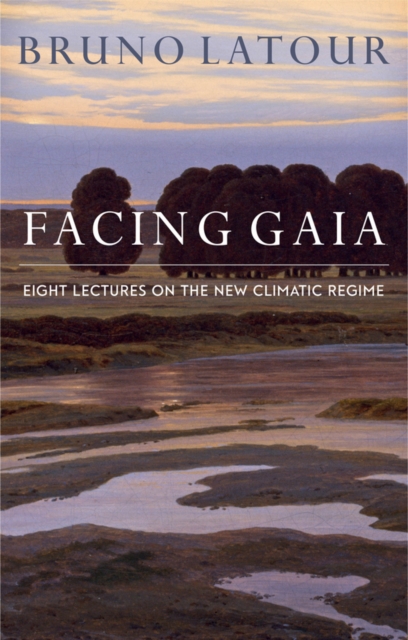
Bruno Latour s long term project is to compare the felicity and infelicity conditions of the different values dearest to the heart of those who have never been modern .
A tension between the desire to be respected as an equal and the desire to distinguish oneself as a unique person lies at the heart of the modern social order.
This book is about the global crisis and the right to resistance, about neoliberal biopolitics and direct democracy, about the responsibility of intellectuals and the poetry of the multitude.
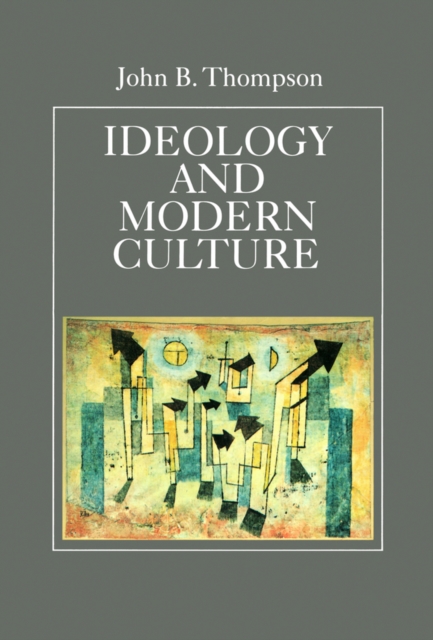
In this major new work, Thompson develops an original account of ideology and relates it to the analysis of culture and mass communication in modern Societies.
The writings of the Frankfurt school, in particular of Horkheimer, Adorno, Marcuse, and Jurgen Habermas, caught the imagination of the radical movements of the 1960s and 1970s and became a key element in the Marxism of the New Left.
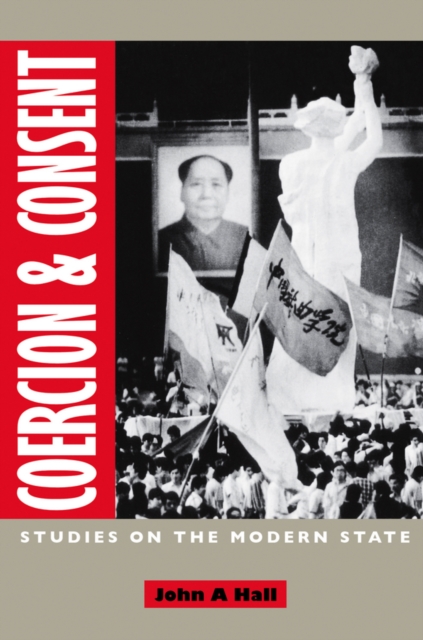
This book offers a fresh, accessible and original interpretation of the modern state, concentrating particularly on the emergence and nature of democracy.
Sovereign nation states, which were formed in the context of major war, have been deeply exclusionary in their dealings with minority cultures and alien outsiders.
It is only a decade ago that the eighteenth-century distinction between civil society and the state seemed old-fashioned, an object of cynicism, even of outright hostility.
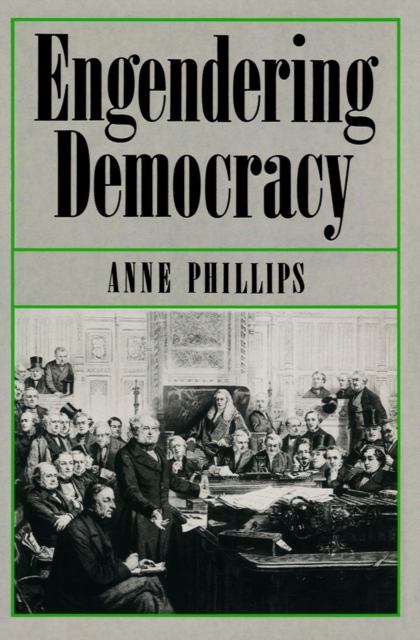
This book provides a highly original account of the changing meaning of democracy in the contemporary world, offering both an historical and philosophical analysis of the nature and prospects of democracy today.
This volume of especially commissioned essays explains what is meant by "e;civil society"e;, paying particular attention to the relationships between civil society and other social forces such as nationalism and populism.