In 1961 a group of men arrived in Cambridge to join the Overseas Services Course before going on to work in the Provincial Administration of the Northern Rhodesia Government.
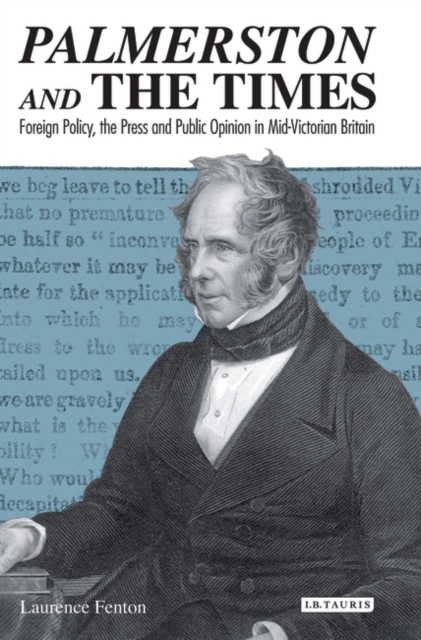
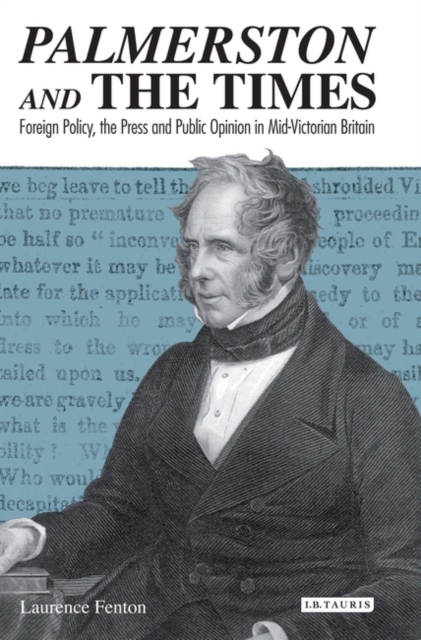
England in the Age of Palmerston had two players of colossal influence on the world stage: Lord Palmerston himself - the dominant figure in foreign affairs in the mid-nineteenth century - and The Times - the first global newspaper, read avidly by statesmen around the world.
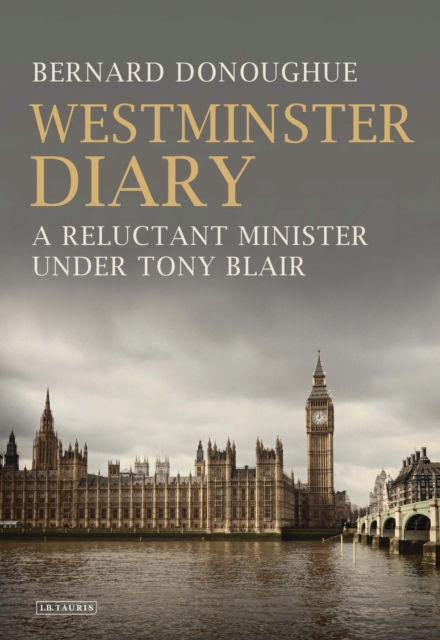
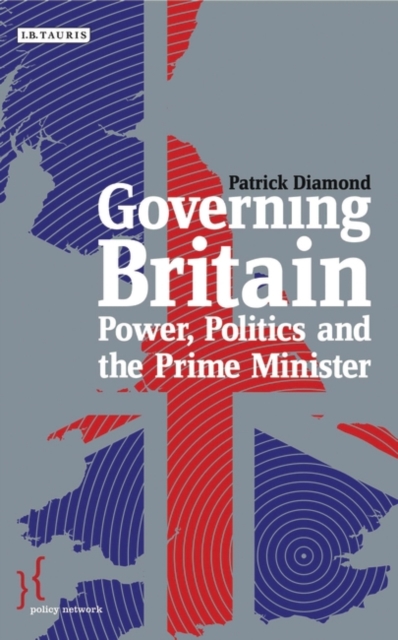
Number Ten Downing Street and the Cabinet Office are at the apex of power in British government, but relatively little is known about the day to day functioning of these great institutions of state.
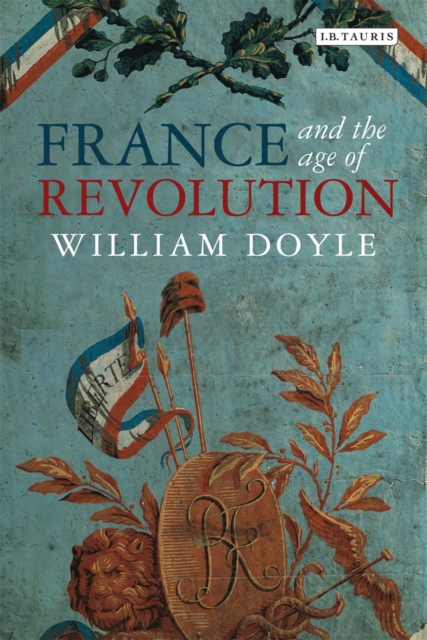
From the turmoil and tragedy of the French Revolution to the rise and fall of the enigmatic figure of Napoleon Bonaparte, the history of France between 1789 and 1815 is one of the most enduringly fascinating - and widely-studied - periods of history.
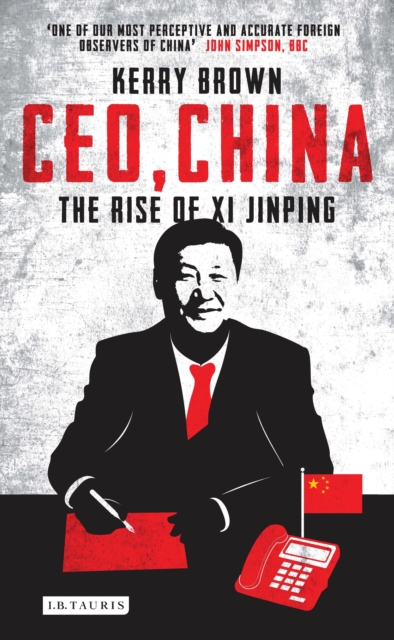
China has become the powerhouse of the world economy, its incredible boom overseen by the elite members of the secretive and all-powerful communist party.
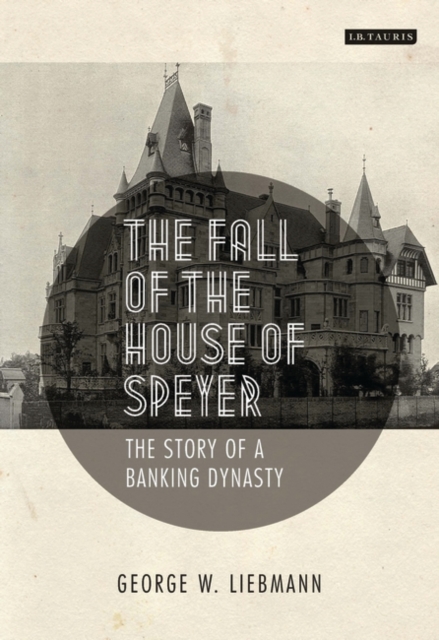
The dramatic story of the last fifty years of the Speyer banking dynasty, a Jewish family of German descent, is surprisingly little known today, yet at the turn of the 20th century, Speyer was the third largest investment banking firm in the United States, behind only Morgan and Kuhn, Loeb.
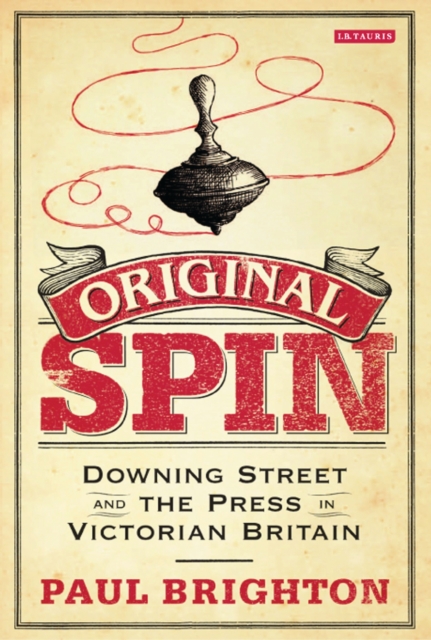
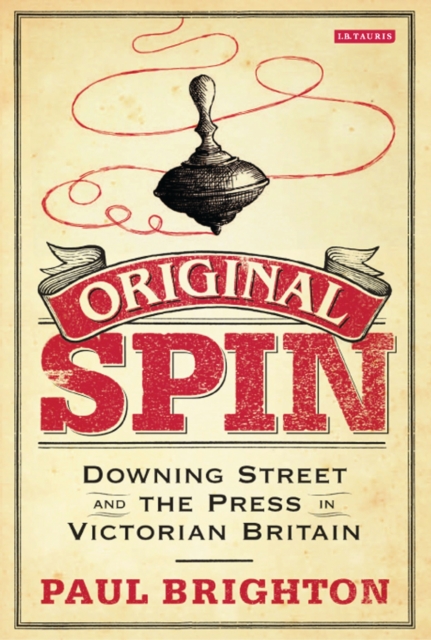
Secret lunches, off-the-record briefings, the leaking of confidential information and tightly-organised media launches - the well-known world of modern political spin.
Secret lunches, off-the-record briefings, the leaking of confidential information and tightly-organised media launches - the well-known world of modern political spin.
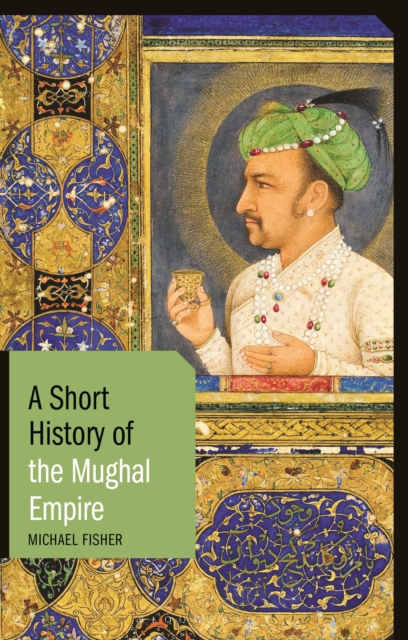
The Mughal Empire dominated India politically, culturally, socially, economically and environmentally, from its foundation by Babur, a Central Asian adventurer, in 1526 to the final trial and exile of the last emperor Bahadur Shah Zafar at the hands of the British in 1858.
In the first half of the twentieth century, many writers and artists turnedto the art and received example of the Elizabethans as a means ofarticulating an emphatic (and anti-Victorian) modernity.
In the first half of the twentieth century, many writers and artists turnedto the art and received example of the Elizabethans as a means ofarticulating an emphatic (and anti-Victorian) modernity.
The beginnings of what we now call 'globalization' dates from the early sixteenth century, when Europeans, in particular the Iberian monarchies, began to connect 'the four parts of the world'.
The coast of East Africa was considered a strategically invaluable region for the establishment of trading ports, both for Arab and Persian merchants, long prior to invasion and conquest by Europeans.
Ante Pavelic was the leader of the fascist party of Croatia (the Ustaše), who, on Adolf Hitler's instruction, became the leader of Croatia after the Nazi invasion of 1941.
England in the Age of Palmerston had two players of colossal influence on the world stage: Lord Palmerston himself - the dominant figure in foreign affairs in the mid-nineteenth century - and The Times - the first global newspaper, read avidly by statesmen around the world.
Number Ten Downing Street and the Cabinet Office are at the apex of power in British government, but relatively little is known about the day to day functioning of these great institutions of state.
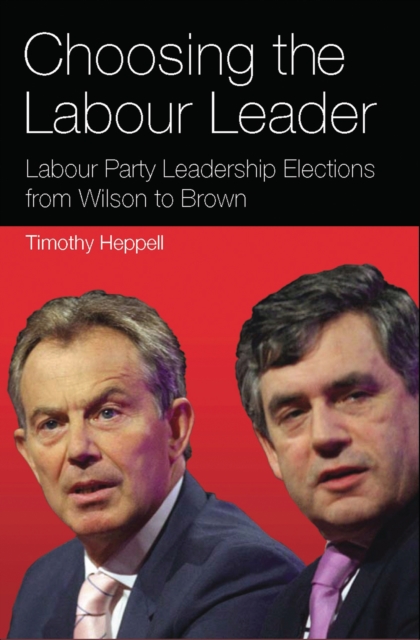
The change in the method of selecting the Labour Party leader, from an elite parliamentary ballot to a mass participatory Electoral College, which occurred in 1981 was ideologically motivated.
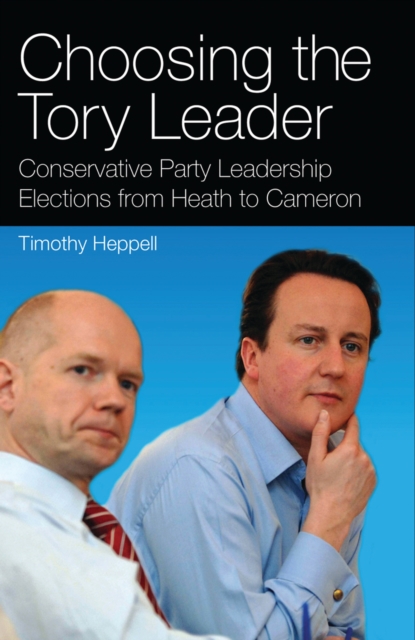
The means by which the Conservative Party have determined their party leadership has produced some of the most dramatic political theatre of the last four decades.
Históricamente, la enseñanza de la ciencia política ha relegado el liderazgo a un papel secundario, reduciéndolo a un conjunto de técnicas transaccionales o estrategias de uso del poder.