In The Accommodation of Democracy, Thibaud Marcesse investigates the implementation of a large poverty alleviation program, the National Rural Employment Guarantee Scheme or NREGS, in Uttar Pradesh, one of India's poorest and most populated states.
In The Accommodation of Democracy, Thibaud Marcesse investigates the implementation of a large poverty alleviation program, the National Rural Employment Guarantee Scheme or NREGS, in Uttar Pradesh, one of India's poorest and most populated states.
The Party Politics of Electoral System Choice explores the strategic manipulation of electoral systems by political actors to maintain access to power.
Through an analysis of the recent political history of Tanzania and Uganda, Wealth, Power, and Authoritarian Institutions offers a novel explanation of why authoritarian parties and legislatures vary in strength, and why this variation matters.
Through an analysis of the recent political history of Tanzania and Uganda, Wealth, Power, and Authoritarian Institutions offers a novel explanation of why authoritarian parties and legislatures vary in strength, and why this variation matters.
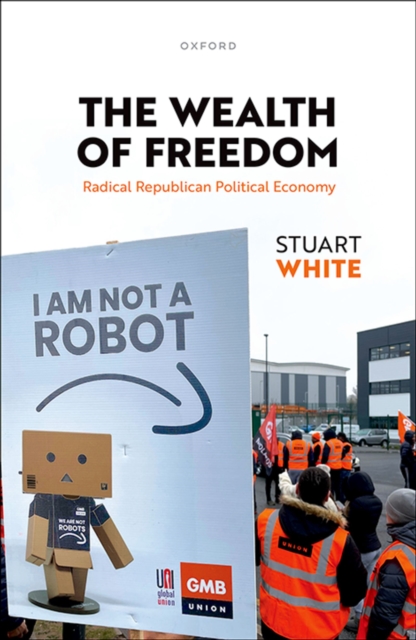
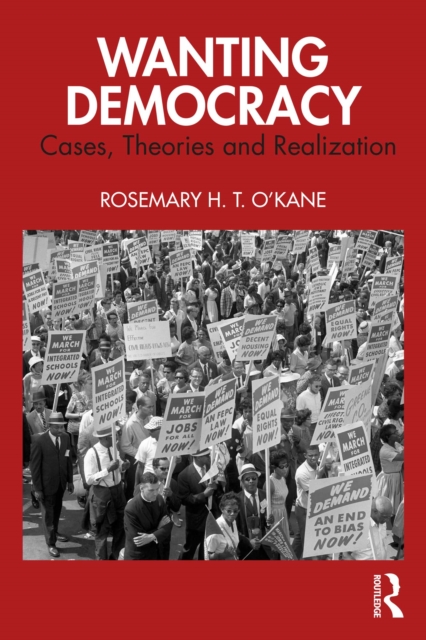
When we participate in political debate or protests, we are judged by how we look, which clothes we wear, by our skin colour, gender and body language.
The Oxford Handbook of Dutch Politics provides a comprehensive longitudinal overview of the state of the art of academic research on the Dutch political system: its origins and historical development, its key institutions, main fault lines, pivotal processes, and key public policy dynamics.
The Oxford Handbook of Dutch Politics provides a comprehensive longitudinal overview of the state of the art of academic research on the Dutch political system: its origins and historical development, its key institutions, main fault lines, pivotal processes, and key public policy dynamics.
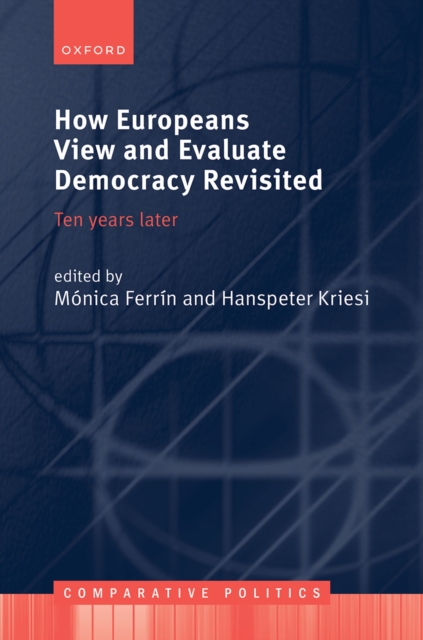
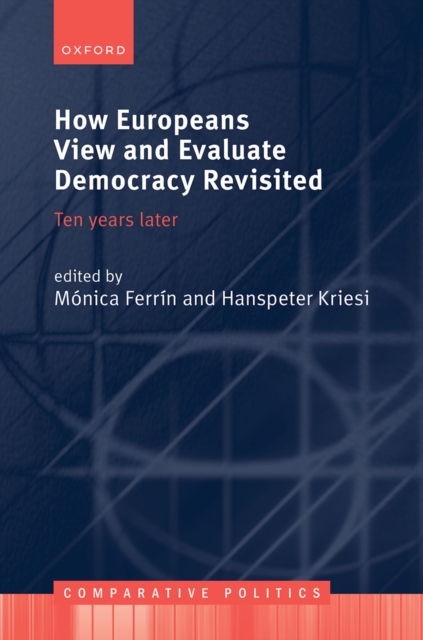
In 2012 How Europeans View and Evaluate Democracy assessed the Europeans' views and evaluations of the state of democracy after one of the deepest economic and financial crises worldwide.
In 2012 How Europeans View and Evaluate Democracy assessed the Europeans' views and evaluations of the state of democracy after one of the deepest economic and financial crises worldwide.
Why are some constitutional monarchies allowed to survive and hols substantial political power even though they might fail to commit to non-interference?
Why are some constitutional monarchies allowed to survive and hols substantial political power even though they might fail to commit to non-interference?
When negotiating the formation of governments in multiparty democracies, do party leaders consistently consider the policy preferences of their voters?
When negotiating the formation of governments in multiparty democracies, do party leaders consistently consider the policy preferences of their voters?