This volume finds Thomas Jefferson grappling with problems arising from the radicalization of the French Revolution in Europe and the polarization of domestic politics in the United States.
This volume in the Second Series of The Papers of Thomas Jefferson contains the two important parliamentary documents he prepared during his lifelong study of the subject.
This volume brings to a close Jefferson's increasingly stormy tenure as Secretary of State, documenting, among many things, his epochal duel with Treasury Secretary Alexander Hamilton over the conduct of American foreign policy.
During the thirteen months covered by this volume, Thomas Jefferson spent more than half of his time in Philadelphia serving as vice president under President John Adams and presiding over a Senate that was dominated by his political opponents, the Federalists.
In Volume 15 Jefferson, a veteran of the councils of his own country's revolution, becomes an eyewitness of the opening events of the great upheaval in France in 1789.
The dramatic escalation in the conflict between Thomas Jefferson and Alexander Hamilton to determine the future course of the new American nation is the main theme of this volume.
"e;Based on an exploration of the total mass of executive and legislative records for the years 1801-1809-something no other scholar has attempted-this thoroughly documented account describes the machinery and operation of the presidential office, the Cabinet, the departments, and other offices and commissions in the executive branch.
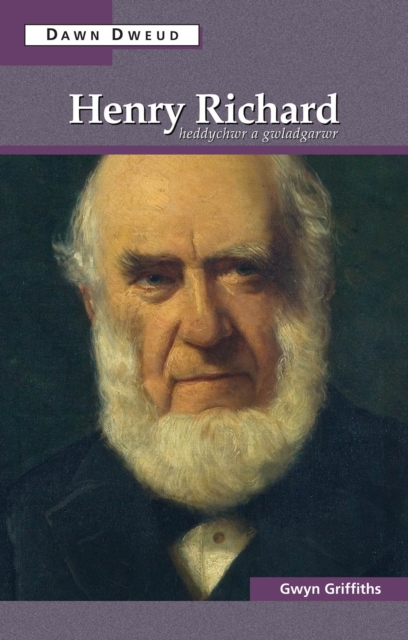
In this study of the breakdown of traditional party loyalties and voting patterns, prominent comparativists and country specialists examine the changes now occurring in the political systems of advanced industrial democracies.
Taking Northern Nigeria during the years 1946 to 1966 as an example, Professor Whitaker shows how modern institutions-parliamentary representation, a cabinet system, popular suffrage, and political parties-were introduced and how they resulted not in a displacement of tradition but in an astute absorption by traditional forces.
Here Warren Kimball explores Roosevelt's vision of the postwar world by laying out the nature and development of FDR's "e;war aims"e;--his long-range political goals.
A new international maritime order was forged in the early modern age, yet until now histories of the period have dealt almost exclusively with the Atlantic and Indian oceans.
Democracy-building efforts from the early 1990s on have funneled billions of dollars into nongovernmental organizations across the developing world, with the U.
Do small but wealthy interest groups influence referendums, ballot initiatives, and other forms of direct legislation at the expense of the broader public interest?
According to conventional wisdom, big business wields enormous influence over America's political agenda and is responsible for the relatively limited scale of the country's social policies.
This volume documents exhaustively for the first time Edmond Charles Genet's dramatic challenges to American neutrality and Jefferson's diplomatic and political responses.
The federation of the previously British and French Cameroons has, since 1961, tried to integrate a highly fragmented, bilingual society in which nearly every social cleavage found in Africa was present, including the complication of disparate colonial legacies.
A definitive new volume of the retirement papers of Thomas JeffersonDuring the period covered by the 575 documents in this volume, Jefferson advises President James Monroe on what later becomes known as the "e;Monroe Doctrine.
Volume 19, covering the final critical weeks of the First Congress, reveals Washington and Jefferson in the closest and most confidential relationship that existed at any time during their official careers.
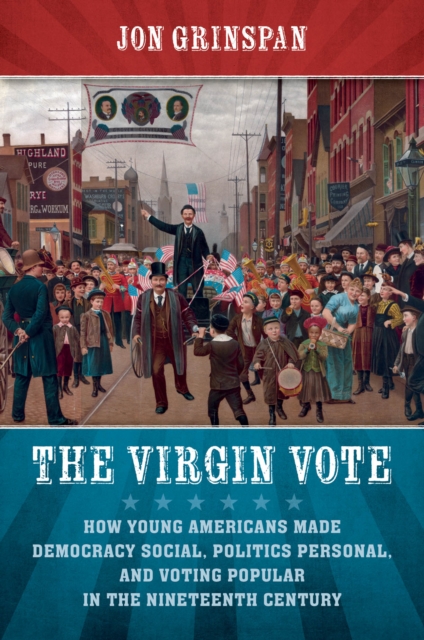
Since Americans have long taken price in universal suffrage and the secret ballot as foundations of democracy, it is surprising that one of its growth and reform.
includes the almost incredible volume of Jefferson's writings on practically every aspect of human life-from politics and diplomacy to architecture, philosophy, agriculture, and music.