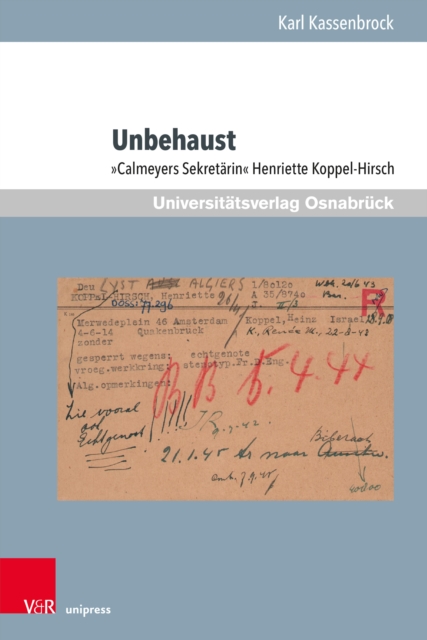
Karl Kassenbrock beschreibt die besondere Verbindung des »Rassereferenten « beim Reichskommissar der besetzten Niederlande, Hans Calmeyer, mit der deutschen Jüdin Henriette Koppel-Hirsch (1914–1984), die von 1931 bis 1933 in seiner Osnabrücker Anwaltskanzlei arbeitete.
KurztextDie rechtsterroristischen Anschläge von Halle und Hanau haben in den Jahren 2019 und 2020 einmal mehr die Bedrohungslage durch rechte Gewalt und Terror verdeutlicht.
Athen, August 1944: Deutsche Besatzer und griechische Kollaborateure unterdrücken den Widerstand einheimischer Partisaninnen und Partisanen mit brutaler Gewalt und Deportationen, diese antworten mit Anschlägen und Überfällen.
Die Schweiz und Europa sind unvorbereitet in die Doppelkrise gegangen, die 2020 mit der Corona-Pandemie begann und sich 2022 mit dem russischen Überfall auf die Ukraine fortgesetzt hat.
Anhand der Nachgeschichten der Außenlager des Konzentrationslagers Neuengamme zeigt Maik Ullmann auf, wie Erinnern an die Opfer und Überlebenden an den historischen Orten in Deutschland möglich wurde.
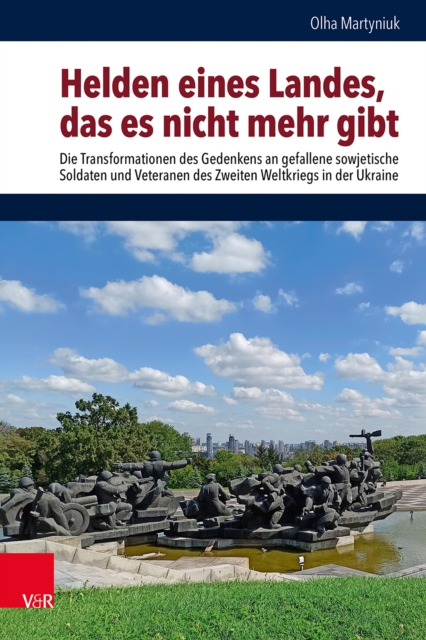
Diese Studie analysiert die ukrainische Erinnerungskultur seit der Unabhängigkeit 1991 im Hinblick auf die sowjetischen Soldaten, die im Zweiten Weltkrieg kämpften.
Die in diesem Buch vereinigten Aufsätze verdanken ihre Entstehung dem lebenslangen Auftrag, jeden Menschen als sich entwickelnde freie Persönlichkeit zu verstehen, die auf einem potenziell beständigen Ich-Kern fußt.
Es ist einiges faul in unserem Staat: Infrastruktur, Bildung, Digitalisierung, Militär, Umweltschutz, Migration - nichts scheint mehr zu funktionieren.
The many mass protests that have taken place since 2011 have been characterised by an unmistakable need to challenge, overthrow and destroy the prevailing political representations without proposing new ones.
Einst war Ungarn der Musterknabe der europäischen Wiedervereinigung, Vorbild für demokratische Reformen, das Land, das den Sowjets die Stirn bot und als erstes den Eisernen Vorhang durchtrennte.
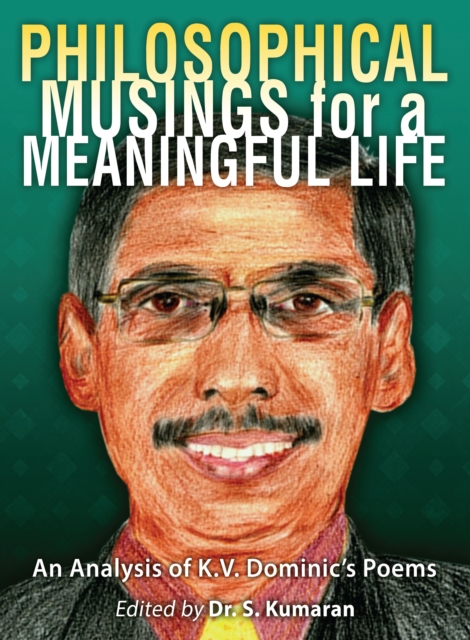
Inside one of Contemporary India's most Influential Poets The twenty-four papers in Philosophical Musings for a Meaningful Life study the poetry collections Winged Reason (2010), Write Son, Write (2011), and Multicultural Symphony (2014), of Dr.
This book provides social workers, outreach clinicians, case managers, and concerned community members with a pretreatment guide for assisting homeless couples, youth, and single adults.
Inside one of Contemporary India's most Influential Poets The twenty-four papers in Philosophical Musings for a Meaningful Life study the poetry collections Winged Reason (2010), Write Son, Write (2011), and Multicultural Symphony (2014), of Dr.
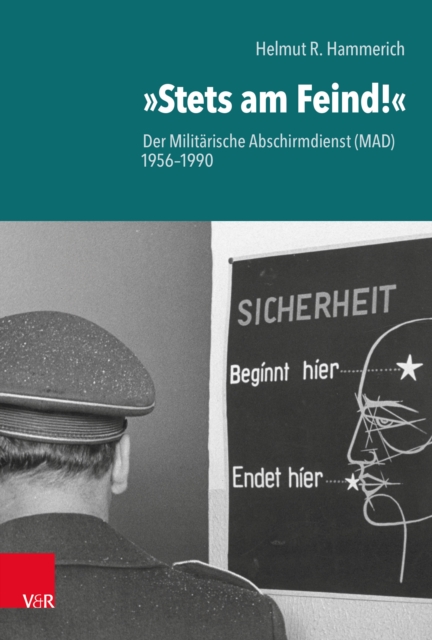
Nach der Aufarbeitung der Frühgeschichte des Bundesnachrichtendienstes und des Bundesamtes für Verfassungsschutz folgt die Geschichte des dritten Nachrichtendienstes der Bundesrepublik, der Militärische Abschirmdienst der Bundeswehr (MAD).
Durante los últimos años, han sido diversos los países que han puesto en evidencia el problema recurrente de corrupción dentro de sus organizaciones políticas, generando un desasosiego de la opinión pública y una clara desafección de las personas hacia aquellos que tienen como responsabilidad su representación en el seno de la soberanía nacional.