This volume presents an integrated view of how we perceive the spatial relations in our visual world, covering anatomical, physiological, psychophysical, and perceptual aspects.
This book draws on fields as diverse as biochemistry, physiology, pharmacology, psychology, psychiatry, and ethology, to form a fascinating synthesis of information on the nature of fear and of panic and anxiety disorders.
This book presents the basic concepts of classical psychophysics, derived from Gustav Fechner, as seen from the perspective of modern measurement theory.
In this volume Professor Paivio updates his influential theory of cognition and provides a systematic treatise on the structure of cognitive representations and their dynamic functions in thought and behavior.
This book brings together an internationally respected group of researchers for the purpose of examining neuroplasticity, a topic of immense current interest in psychology, neuroscience, neuropsychology, and clinical neurology.
This second volume in the Counterpoints Series, which explores issues in psychology, child development, linguistics, and neuroscience, focuses on alternative models of visual-spatial processing in human cognition.
This new volume in the Counterpoints series compares and contrasts different conceptions of working memory, generally recognized as the human cognitive system responsible for temporary storage of information.
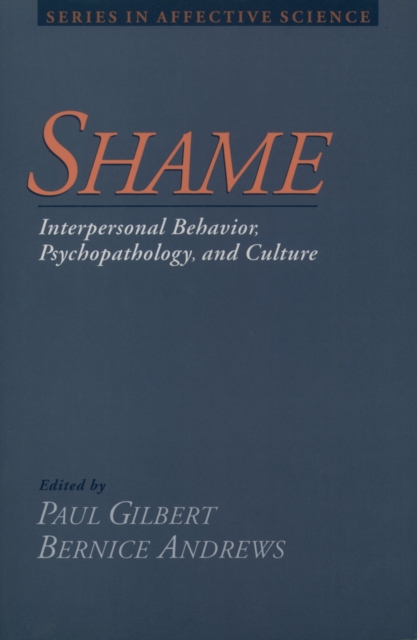
One of the most commonly reported emotions in people seeking psychotherapy is shame, and this emotion has become the subject of intense research and theory over the last 20 years.
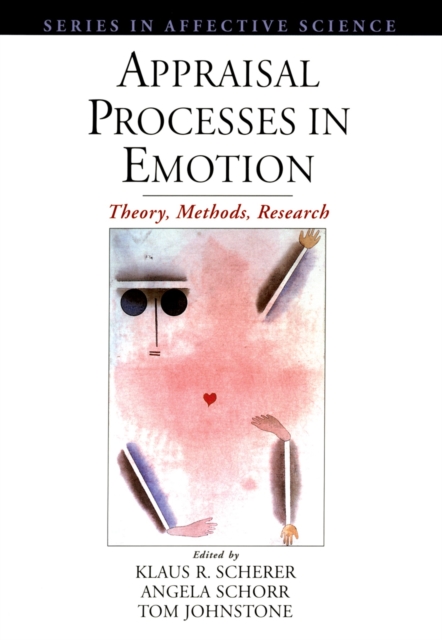
The scientific study of emotion has long been dominated by theories emphasizing the subjective experience of emotions and their accompanying expressive and physiological responses.
In this volume, Alex Zautra illustrates how experience with difficult or stressful emotional situations can, contrary to popular belief, be beneficial; for example, our ability to adapt to stress can be improved by experiencing difficult moments on emotional intensity.
Although we usually identify our abilities to reason, to adapt to situations, and to solve problems with the mind, recent research has shown that we should not, in fact, detach these abilities from the body.
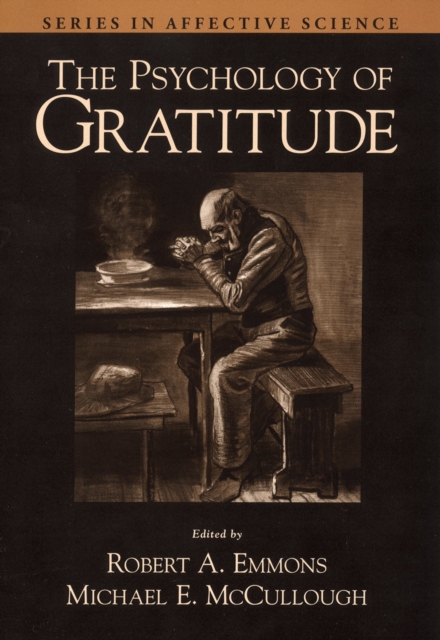
Gratitude, like other positive emotions, has inspired many theological and philosophical writings, but it has inspired very little vigorous, empirical research.
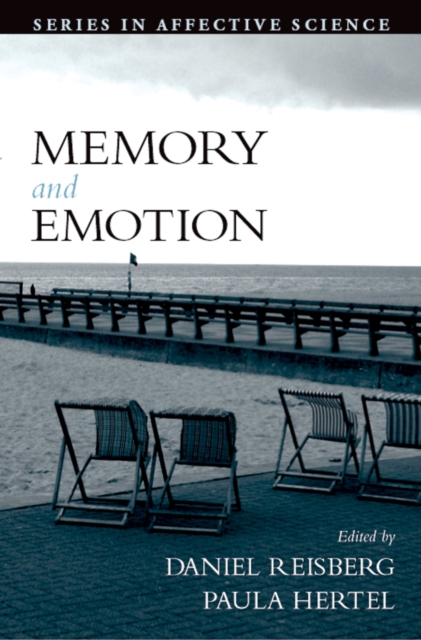
Understanding the interplay between memory and emotion is crucial for the work of researchers in many arenas--clinicians, psychologists interested in eyewitness testimony, psychobiologists, to name just a few.
There are certain phenomena, such as hypnosis, hysteria, multiple personality disorder, recovered memory syndrome, claims of satanic ritual abuse, alien abduction syndrome, and culture-specific disorders that, although common, are difficult to explain completely.
This book, a member of the Series in Affective Science, is a unique interdisciplinary sequence of articles on the cognitive neuroscience of emotion by some of the most well-known researchers in the area.
Owing to its bizarre nature and its implications for understanding how brains work, synesthesia has recently received a lot of attention in the popular press and motivated a great deal of research and discussion among scientists.
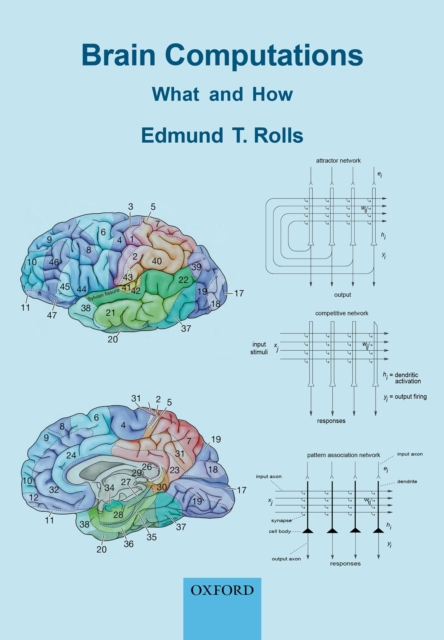
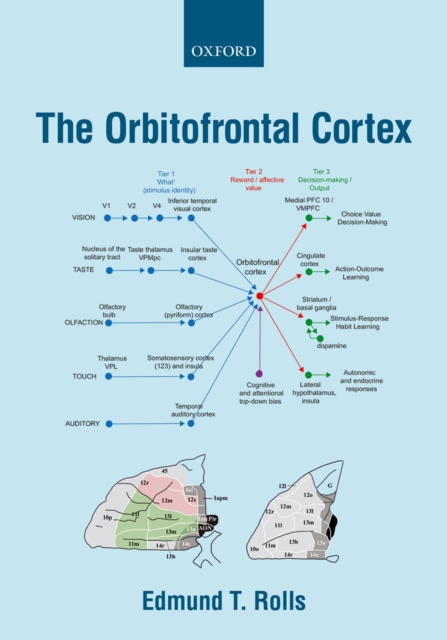
In order to understand how the brain works, it is essential to know what is computed by different brain systems, and how those computations are performed.
Waisted: The Biology of Body Fat outlines the fascinating, often misunderstood and sometimes controversial biology of fat, otherwise known as adipose tissue.
Waisted: The Biology of Body Fat outlines the fascinating, often misunderstood and sometimes controversial biology of fat, otherwise known as adipose tissue.
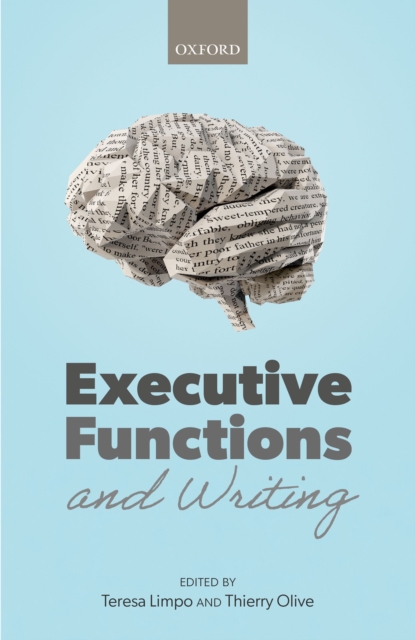
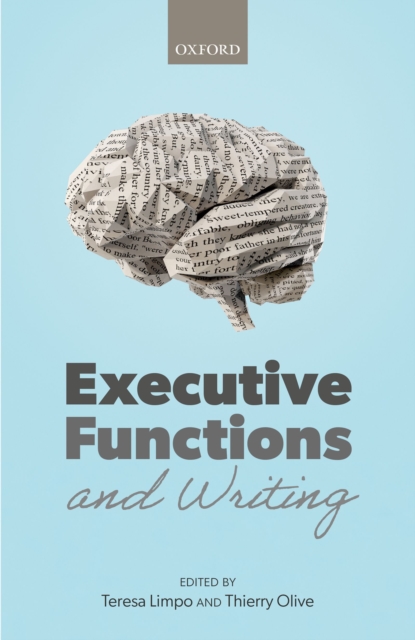
Executive functions are a set of cognitive processes we use to act on information, manage resources, and plan and monitor our own behaviour, all with the aim of achieving an end goal.
Executive functions are a set of cognitive processes we use to act on information, manage resources, and plan and monitor our own behaviour, all with the aim of achieving an end goal.
A successor to the acclaimed 'Neurobiology of the Prefrontal Cortex', 'Understanding the Prefrontal Cortex' presents a careful study of the anatomical connections in this brain region, showing how each area and subarea of the brain has a unique pattern of connections, and exploring the transformation that this area performs - from its inputs to it outputs.
A successor to the acclaimed 'Neurobiology of the Prefrontal Cortex', 'Understanding the Prefrontal Cortex' presents a careful study of the anatomical connections in this brain region, showing how each area and subarea of the brain has a unique pattern of connections, and exploring the transformation that this area performs - from its inputs to it outputs.