This clinical guide is the culmination of over three decades of experience in neuropsychological rehabilitation of individuals with traumatic brain injuries.
The INS Dictionary of Neuropsychology and Clinical Neurosciences provides concise definitions of neurobehavioral abnormalities, diseases affecting the nervous system, clinical syndromes, neuropsychological tests, neuroanatomy, rehabilitation methods, medical procedures, basic neuroscience, and other important clinical neuroscience terms.
This book provides essential information about the variety of seizure disorders and serves as a basic epilepsy reference guide for students and practicing clinical neuropsychologists.
Based on the author's popular workshop, this concise volume provides scientific and practical guidance on assessing learning disabilities and ADHD in adults.
The purpose of this text is to provide an overview of basic business principles and how they can be used to enhance the stability and fiscal responsibility of neuropsychological practice.
Winner of the Pfizer Award from the History of Science Society "e;Contrary to legend, Ivan Pavlov (1849-1936) never trained a dog to salivate to the sound of a bell.
This timely book reports recent progress in research on traumatic brain injury (TBI) by leading investigators encompassing translational and clinical studies.
The Diagnostic and Statistical Manual (DSM) is the most widely used and accepted scheme for diagnosing mental disorders in the United States and beyond.
The Clinical Neuropsychology Study Guide and Board Review provides an easy to study volume with sample questions and recommended readings that are specifically designed to help individuals prepare for the ABCN written examination.
This volume showcases cutting-edge scholarship from The Big Questions in Free Will project, funded by a grant from the John Templeton Foundation and directed by Alfred R.
Dynamic Thinking: A Primer on Dynamic Field Theory introduces the reader to a new approach to understanding cognitive and neural dynamics using the concepts of Dynamic Field Theory (DFT).
This informative and entertaining compilation of 50 short neurological cases demonstrates important principles in clinical localization and differential diagnosis.
Broca's region has been in the news ever since scientists realized that particular cognitive functions could be localized to parts of the cerebral cortex.
This is the story of a hugely successful and enjoyable 25-year collaboration between two scientists who set out to learn how the brain deals with the signals it receives from the two eyes.
This concise but comprehensive text provides a systematic account of the memory disorders, whether they result from psychological stress, traumatic injury, stroke, or degenerative disease of the brain.
This book is a colorful journey into the fascinatingly diverse world of interneurons, an important class of highly heterogeneous cells found in all cortical neuronal networks.
Spreen and Risser present a comprehensive, critical review of available methods for the assessment of aphasia and related disorders in adults and children.
Nancy Andreasen, a leading neuroscientist who is also Editor-in-Chief of the prestigious American Journal of Psychiatry as well as the winner of the illustrious National Medal of Science, offers here a state-of-the-art look at what we know about the human brain and the human genome--and shows how these two vast branches of knowledge are coming together in a boldly ambitious effort to conquer mental illness.
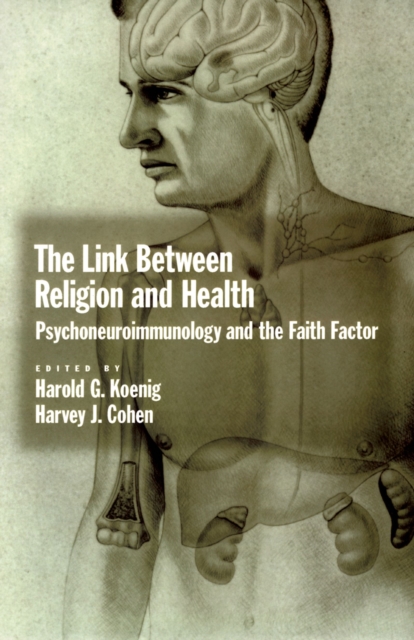
This book is the first to present new medical research establishing a connection between religion and health and to examine the implications for Eastern and Western religious traditions and for society and culture.
It has been known for over a century that there is an afferent(body-to-brain), as well as an efferent(brain-to-body), component to the visceral-atonomic nervous system.
This is the first single-authored book to attempt to bridge the gap between aphasia research and the rehabilitation of patients with this language disorder.
This thoroughly revised new edition of a classic book provides a clinically inspired but scientifically guided approach to the biological foundations of human mental function in health and disease.
This is the first volume in the Counterpoints Series, which explores the issues being debated in psychology, child development, linguistics, and neuroscience.