The Mind-Body Interface in Somatization: When Symptom Becomes Disease represents a unique contribution to the clinician's tool chest for diagnosing and treating psychosomatic illness.
Psychotherapy in the Wake of War presents the ways in which differing views of various psychoanalytic schools and traditions-spanning developments for more than one hundred years-may affect theoretical and technical issues in psychoanalytic treatments.
Nutritionist and intuitive eating counsellor Niamh Orbinski shows us how to leave dieting behind and rebuild a healthier, more sustainable relationship with food.
World-renowned biohacker and bestselling author Dave Asprey reveals how to maximize your well-being with the minimum effort, by taking control of your body's operating system.
Hungry for Ecstasy: Trauma, The Brain, and the Influence of the Sixties by Sharon Klayman Farber explores the hunger for ecstatic experience that can lead people down the road to self-destruction.
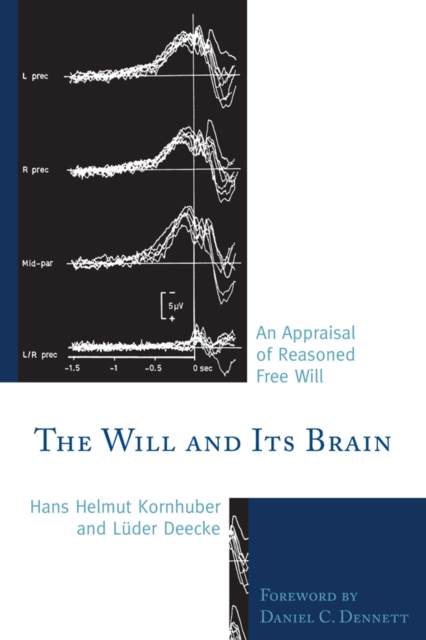
In 1964-1965, Hans Helmut Kornhuber and Luder Deecke achieved a scientific breakthrough with the discovery of the Bereitschaftspotential (BP), or readiness potential.
Musical improvisation is an increasingly recognised rehabilitative therapy for people who have experienced traumatic brain injury initially thought to be `unreachable' or `non-responsive'.
`The book describes a potted history of Phillip's journey, and mainly focuses on the practical aspects of brain injury, rehabilitation, returning home and to work.
A book that promotes the thesis that basic forms of mentality—intentionally directed cognition and perceptual experience—are best understood as embodied yet contentless.
Selected for Reading Well for Mental Health: endorsed by health experts, charities and people with lived experience of managing mental health conditions.
Combining popular appeal with accessibly written entries suitable for research projects, this fascinating encyclopedia provides a thorough introduction to the psychological and scientific aspects of phobias.
This textbook introduces the reader to some of the most common psychological disorders, from schizophrenia, depression and substance abuse to disorders of childhood, adolescence and ageing.
The main message of this monograph is that the appearance of the mammalian brain with the ability to acquire drives ensured the development of social life, and eventually led to the evolution of the human society.
This volume addresses itself to the ways in which the so-called 'new sciences of complexity' can deepen and broaden neurobiological and psychological theories of mind.
Sensations of hunger, thirst, sexual attraction, and love can dominate our thoughts to the exclusion of almost everything else, but until the last 10 years or so, the precise reasons why these passions arise have not been understood very well.
The information, guidance, and resources this book offers make it a valuable tool for anyone directly or indirectly affected by grief, particularly teens and young adults.
This book provides a broad introduction to the scientific and psychological study of music, exploring how music is processed by our brains, affects us emotionally, shapes our personal and cultural identities, and can be used in therapeutic and educational contexts.
A standout resource on the emerging field of applying neuropsychology and the latest findings in sleep and dream research to religious experience, this book investigates the proven biological links between REM dreams and religious ideas, covering past and current schools of thought in both the science of dreams and the science of religion.
The Man who Lost His Language is a unique exploration of aphasia - losing the ability to use or comprehend words - as well as of the resilience of love.
"I know that the thousands all over the world who love Jerry and whose lives have been enhanced by his message are eagerly looking forward to this new book.
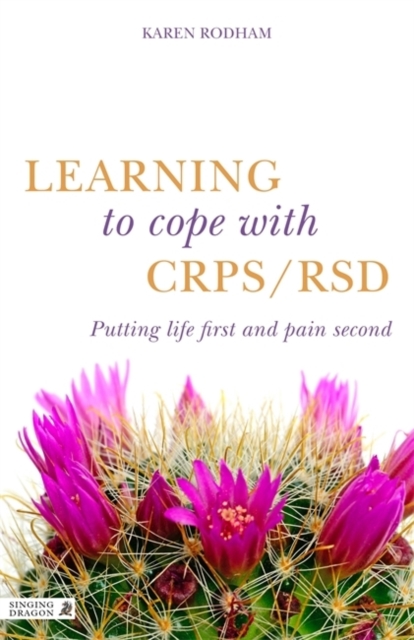
With the help of this compact guide, anyone suffering from CRPS (Complex Regional Pain Syndrome) (also known as RSD - Reflex Sympathetic Dystrophy) will better understand their condition and cope with the reality of living with it.
Emotional Transformation Therapy: An Interactive Ecological Psychotherapy describes an entirely original approach to psychotherapy that drastically accelerates therapeutic outcomes in terms of speed and long-term effects.
Hungry for Ecstasy: Trauma, The Brain, and the Influence of the Sixties by Sharon Klayman Farber explores the hunger for ecstatic experience that can lead people down the road to self-destruction.
The Mind-Body Interface in Somatization: When Symptom Becomes Disease represents a unique contribution to the clinician's tool chest for diagnosing and treating psychosomatic illness.
Emotional Transformation Therapy: An Interactive Ecological Psychotherapy describes an entirely original approach to psychotherapy that drastically accelerates therapeutic outcomes in terms of speed and long-term effects.
Psychotherapy in the Wake of War presents the ways in which differing views of various psychoanalytic schools and traditions-spanning developments for more than one hundred years-may affect theoretical and technical issues in psychoanalytic treatments.
In 1964-1965, Hans Helmut Kornhuber and Luder Deecke achieved a scientific breakthrough with the discovery of the Bereitschaftspotential (BP), or readiness potential.