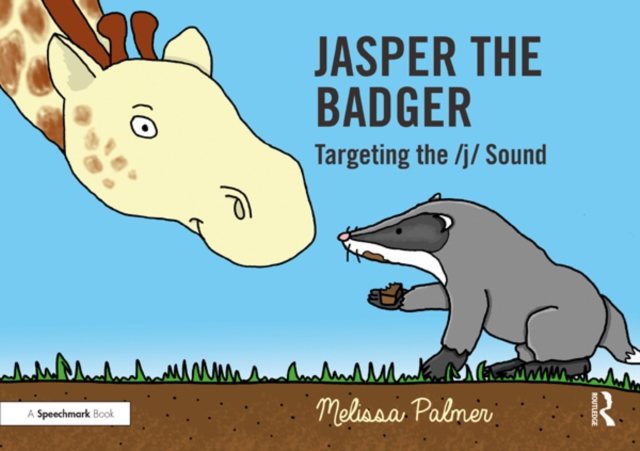
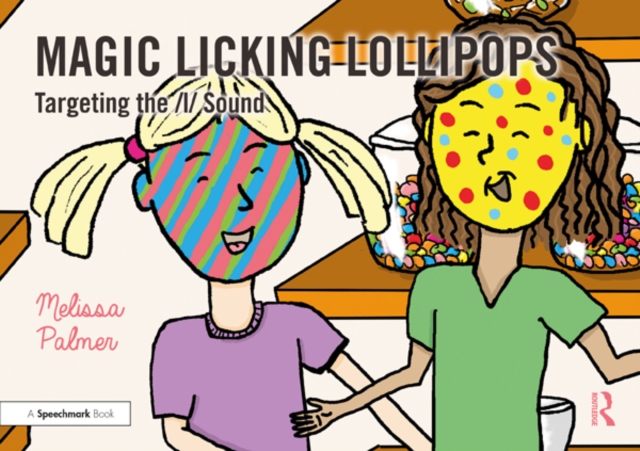
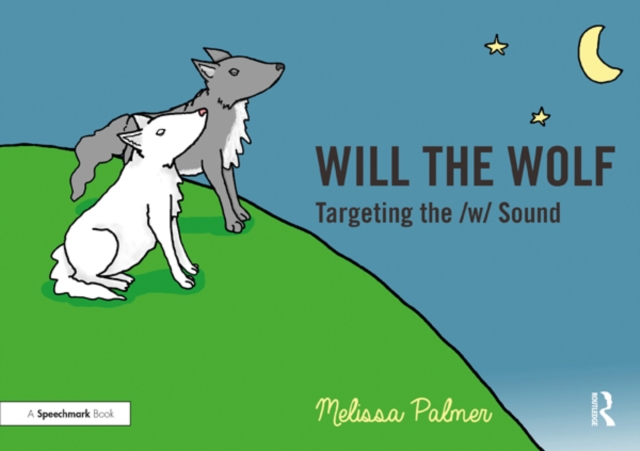
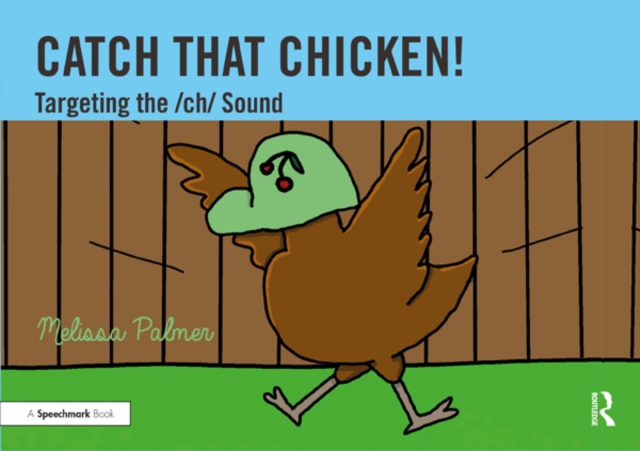
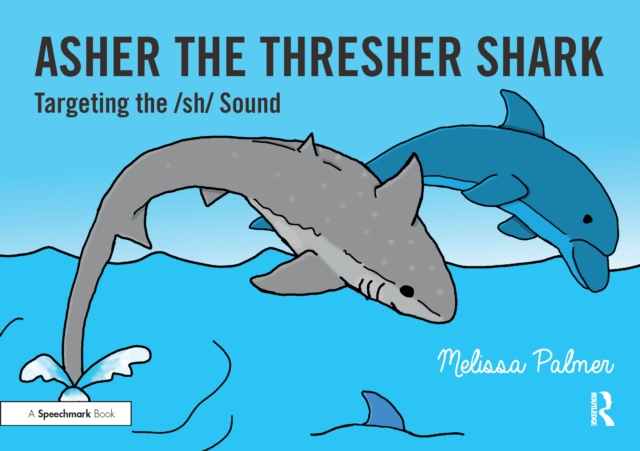
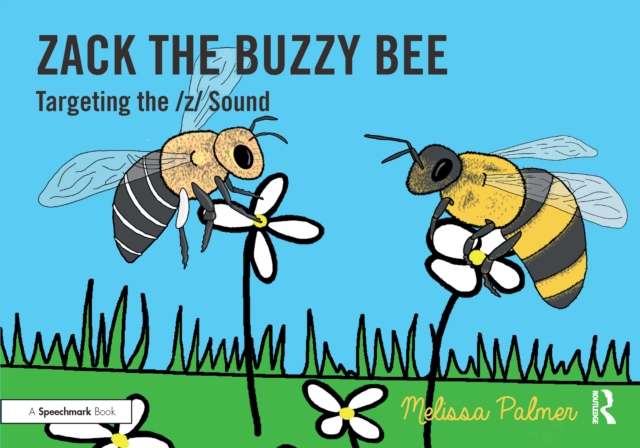
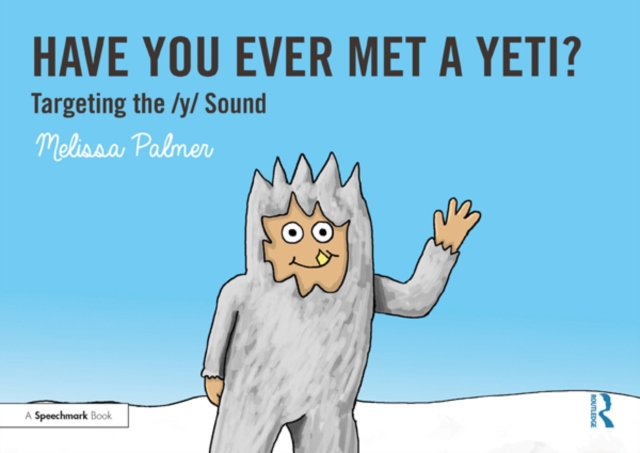
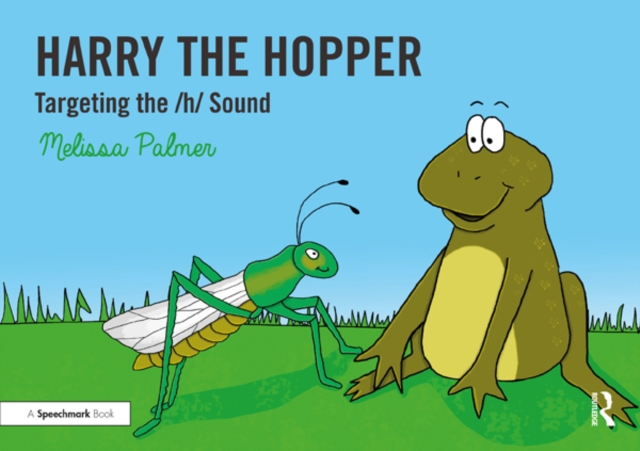
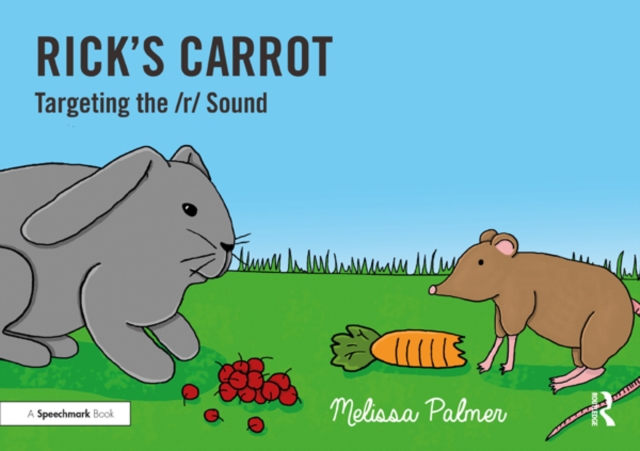
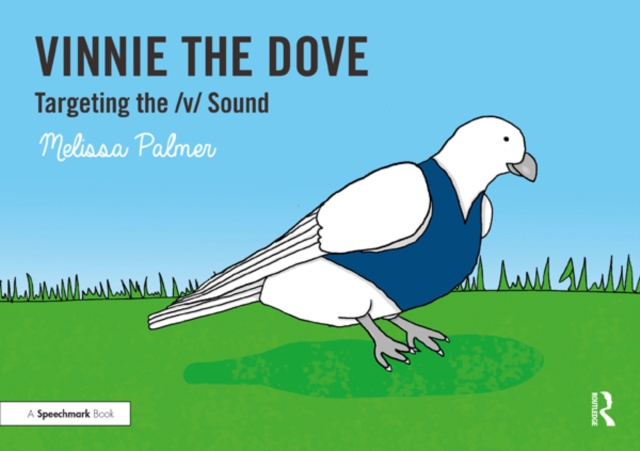
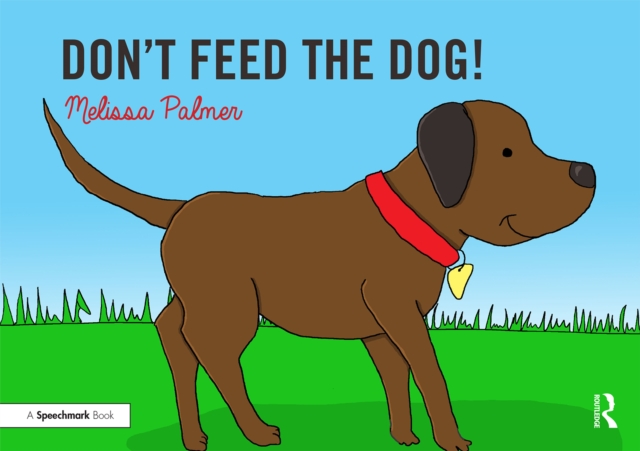
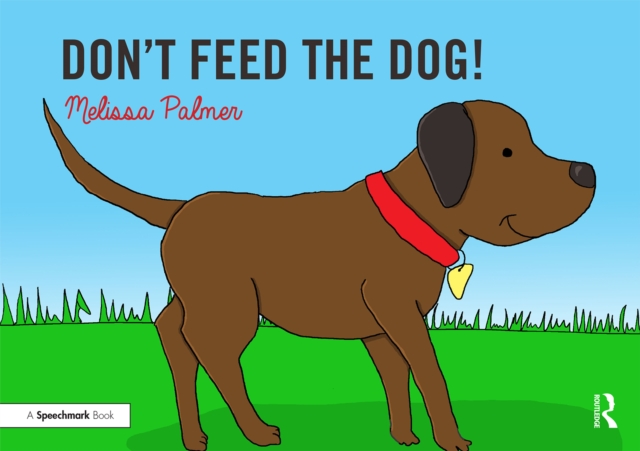
Harry loves to hop, and believes he is a a hopper but not everyone agreesa This picture book targets the /h/ sound and is part of Speech Bubbles 2, a series of picture books that target specific speech sounds within the story.
Now in a fully revised and updated third edition, Working with Voice Disorders offers practical insight and direction into all aspects of voice disorders, from assessment and diagnosis to intervention and case management.
Now in a fully revised and updated third edition, Working with Voice Disorders offers practical insight and direction into all aspects of voice disorders, from assessment and diagnosis to intervention and case management.
This collection provides a snapshot of cutting-edge research in the rapidly developing area of cognitive approaches to multilingual mediated communication.
This collection provides a snapshot of cutting-edge research in the rapidly developing area of cognitive approaches to multilingual mediated communication.
Bringing together clinical expertise with the latest findings from social, affective, and cognitive neuroscience, this accessible guide outlines how basic concepts of neuroscience and family therapy can be highly relevant to all mental health treatment.
Bringing together clinical expertise with the latest findings from social, affective, and cognitive neuroscience, this accessible guide outlines how basic concepts of neuroscience and family therapy can be highly relevant to all mental health treatment.
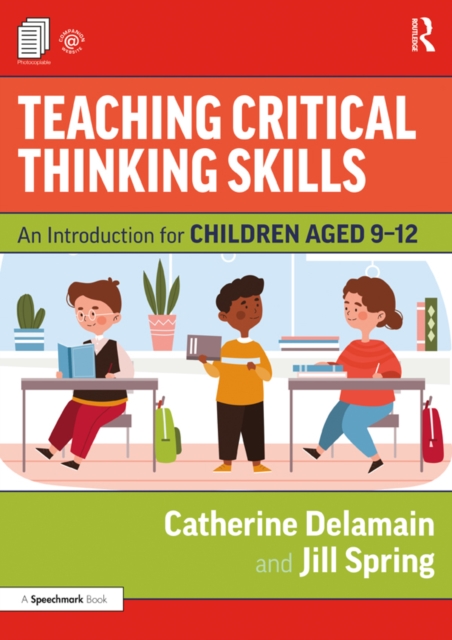
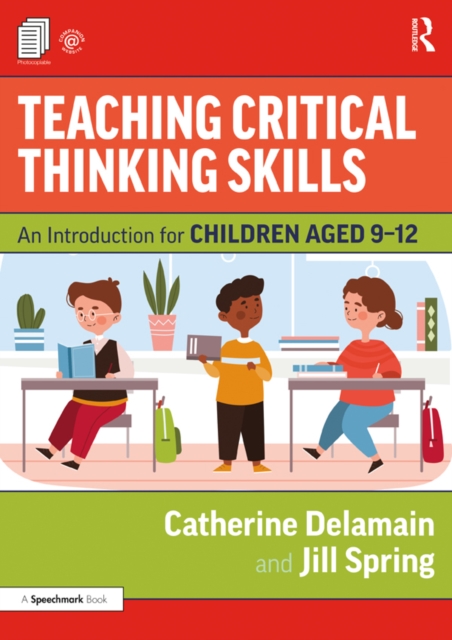
This practical teaching resource has been designed to give children aged 9-12 the basic tools required to challenge some of the conflicting information which they may encounter in everyday life.
This practical teaching resource has been designed to give children aged 9-12 the basic tools required to challenge some of the conflicting information which they may encounter in everyday life.
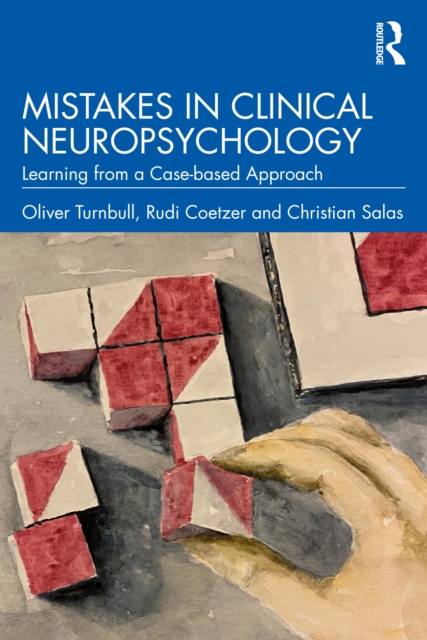
This innovative book uses a case-based approach to discuss mistakes made in the practice of clinical neuropsychology to form a helpful tool in the training of early career clinicians.
This innovative book uses a case-based approach to discuss mistakes made in the practice of clinical neuropsychology to form a helpful tool in the training of early career clinicians.
Speech Bubbles 1 is the first set in an exciting new series of picture books designed to be used by Speech Language Therapists/Pathologists, parents/caregivers, and teachers with children who have delayed or disordered speech sound development, children receiving speech therapy, or by those wanting to provide sound awareness activities for their children.
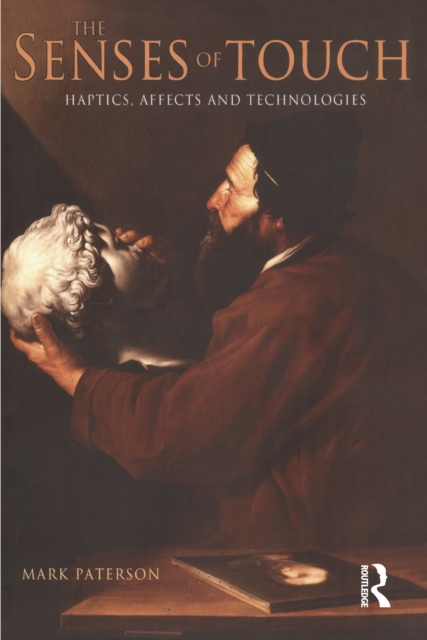
This book develops a theory of picture perception and aesthetic response, arguing that images can generate in us a complex pattern of mental changes, or transformations.
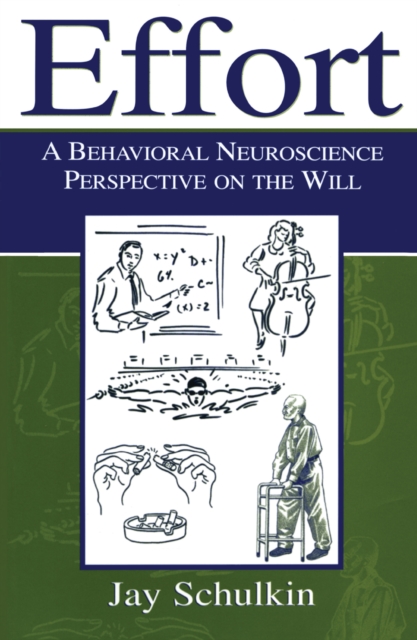
In Effort: A Behavioral Neuroscience Perspective on the Will, author Jay Schulkin presents a two-fold thesis: there is no absolute separation of the cognitive and non-cognitive brain, and there are diverse cognitive systems, many of which are embodied in motor systems that underlie self-regulation.
Speech Bubbles 1 is the first set in an exciting new series of picture books designed to be used by Speech Language Therapists/Pathologists, parents/caregivers, and teachers with children who have delayed or disordered speech sound development, children receiving speech therapy, or by those wanting to provide sound awareness activities for their children.
This book develops a theory of picture perception and aesthetic response, arguing that images can generate in us a complex pattern of mental changes, or transformations.
In Effort: A Behavioral Neuroscience Perspective on the Will, author Jay Schulkin presents a two-fold thesis: there is no absolute separation of the cognitive and non-cognitive brain, and there are diverse cognitive systems, many of which are embodied in motor systems that underlie self-regulation.
Drawing on current research in anthropology, cognitive psychology, neuroscience, and the humanities, Understanding the Human Mind explores how and why we, as humans, find it so easy to believe we are right-even when we are outright wrong.
Drawing on current research in anthropology, cognitive psychology, neuroscience, and the humanities, Understanding the Human Mind explores how and why we, as humans, find it so easy to believe we are right-even when we are outright wrong.
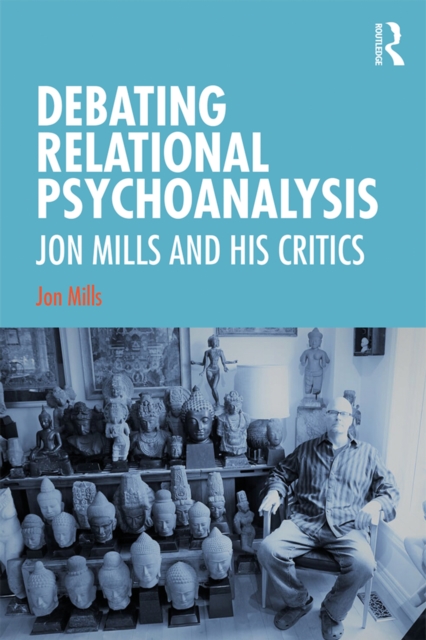
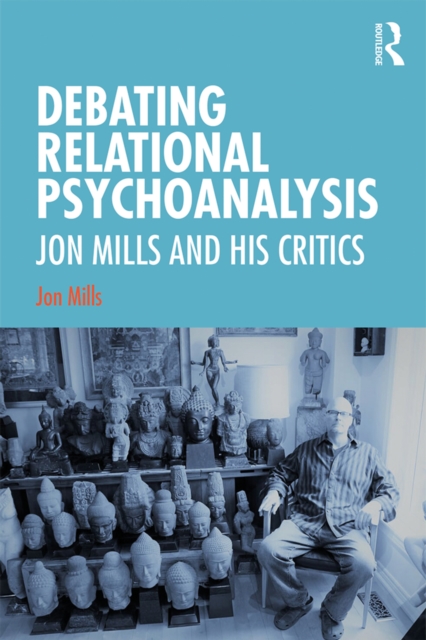
In Debating Relational Psychoanalysis, Jon Mills provides an historical record of the debates that had taken place for nearly two decades on his critique of the relational school, including responses from his critics.
In Debating Relational Psychoanalysis, Jon Mills provides an historical record of the debates that had taken place for nearly two decades on his critique of the relational school, including responses from his critics.
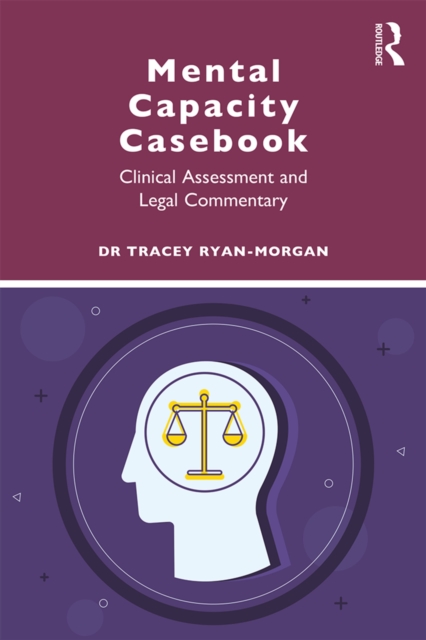
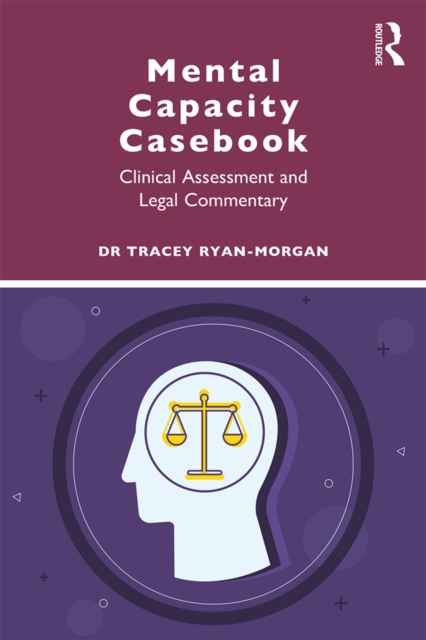
The Mental Capacity Act 2005 (MCA) provides a legal framework for acting on behalf of individuals who lack the capacity to make decisions for themselves.
The Mental Capacity Act 2005 (MCA) provides a legal framework for acting on behalf of individuals who lack the capacity to make decisions for themselves.