THE SUNDAY TIMES BESTSELLER'Few books change one's life; in 48 hours this has improved mine' Jenni Russell, Sunday TimesHow can we make it easier to be happy?
Our world and bodies are becoming increasingly polluted with chemicals capable of interfering with our hormones and thus, possibly, our present and future neural and mental health.
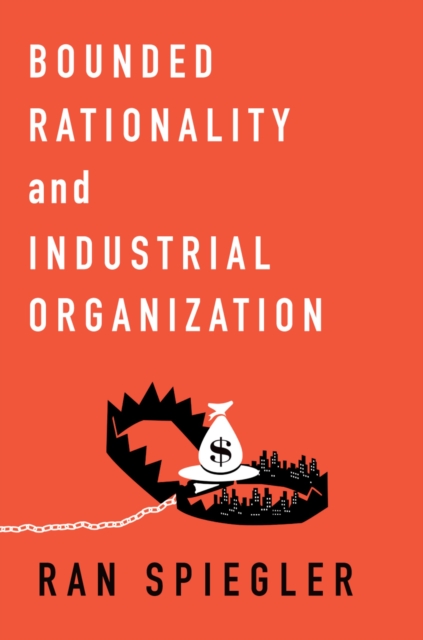
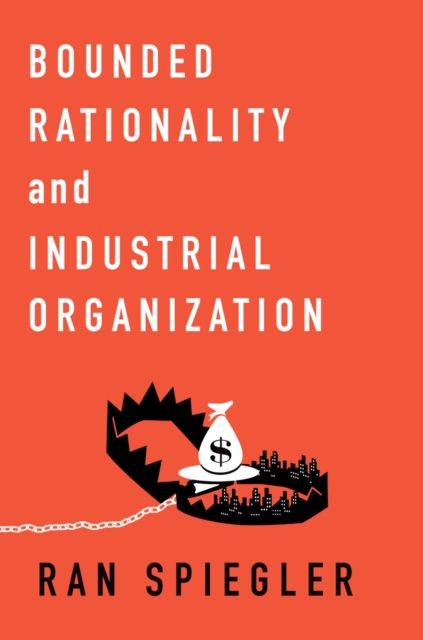
Conventional economic theory assumes that consumers are fully rational, that they have well-defined preferences and easily understand the market environment.
A half century of research shows that most citizens are shockingly uninformed about public affairs, liberal-conservative ideologies, and the issues of the day.
Conventional economic theory assumes that consumers are fully rational, that they have well-defined preferences and easily understand the market environment.
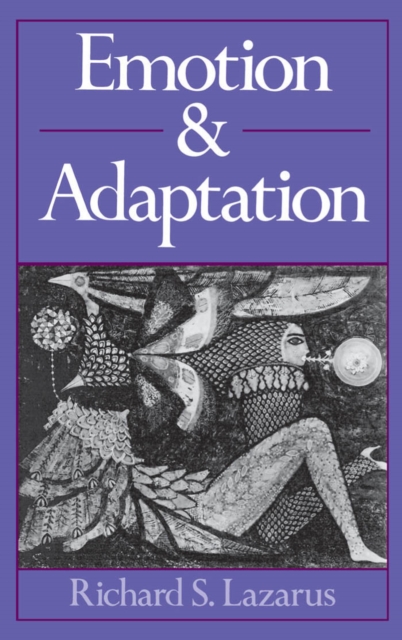
In this landmark work, Richard Lazarus -- one of the world's foremost authorities -- offers a comprehensive treatment of the psychology of emotion, its role in adaptation, and the issues that must be addressed to understand it.
Buried in Treasures outlines a scientifically-based and effective program for helping compulsive hoarders dig their way out of the clutter and chaos of their homes.
The modern reader may have difficulty conceiving of Iphigeneia in Tauris as tragedy, for the term in our sense is associated with downfall, death, and disaster.
This book provides a coherent explanation of human nature, which is to say how people think, act, and feel, what they want, and how they interact with each other.
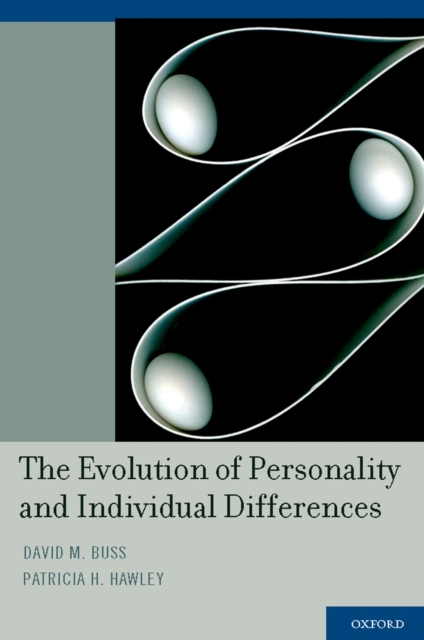
Capturing a scientific change in thinking about personality and individual differences that has been building over the past 15 years, this volume stands at an important moment in the development of psychology as a discipline.
Behavioral economics has potential to offer novel solutions to some of today's most pressing public health problems: How do we persuade people to eat healthy and lose weight?
Behavioral economics has potential to offer novel solutions to some of today's most pressing public health problems: How do we persuade people to eat healthy and lose weight?
Within the basic and clinical biomedical research community, there is increasing recognition that differences between males and females across the lifespan affect an individual's health, his/her development of disease, signs and symptoms of pathophysiology, and response to therapy.
This thoroughly revised new edition of a classic book provides a clinically inspired but scientifically guided approach to the biological foundations of human mental function in health and disease.
This volume provides the fundamentals needed to understand the various explanatory systems and methodologies used in the behavior sciences and to evaluate their findings, in particular the literature and findings on buyer behavior.
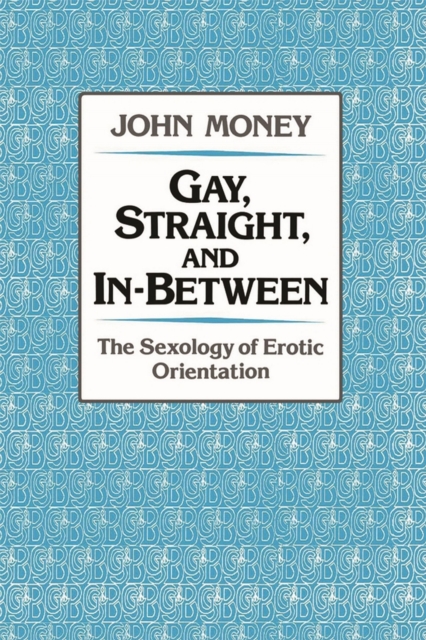
The diverse historical, cultural, and physiological influences that determine sexual orientation are the focus of this fascinating work by one of the foremost investigators of human sexuality.
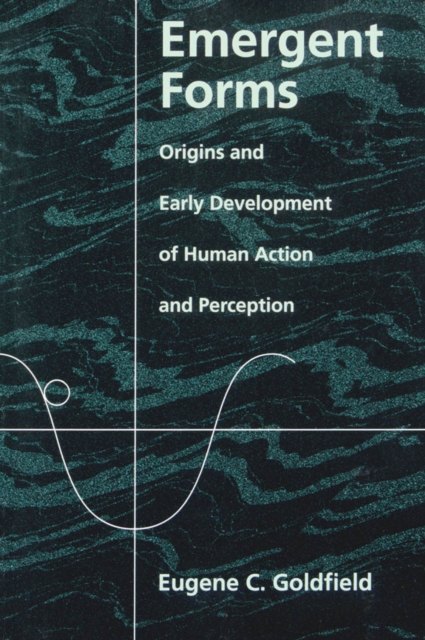
While it is often assumed that behavioral development must be based upon both physical law and the biological principles of morphogenesis and selection, forging a link between these phenomena has remained an elusive goal.
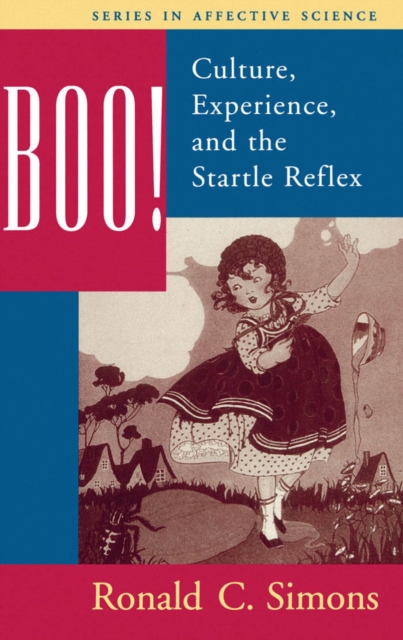
The startle reflex provides a revealing model for examining the ways in which evolved neurophysiology shapes personal experience and patterns of recurrent social interaction.
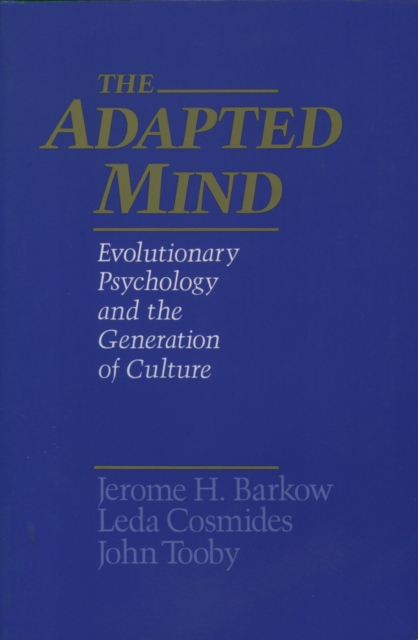
Although researchers have long been aware that the species-typical architecture of the human mind is the product of our evolutionary history, it has only been in the last three decades that advances in such fields as evolutionary biology, cognitive psychology, and paleoanthropology have made the fact of our evolution illuminating.
Tackling some central problems in the philosophy of action, Mele constructs an explanatory model for intentional behavior, locating the place and significance of such mental phenomena as beliefs, desires, reason, and intentions in the etiology of intentional action.